Last updated November 23, 2026
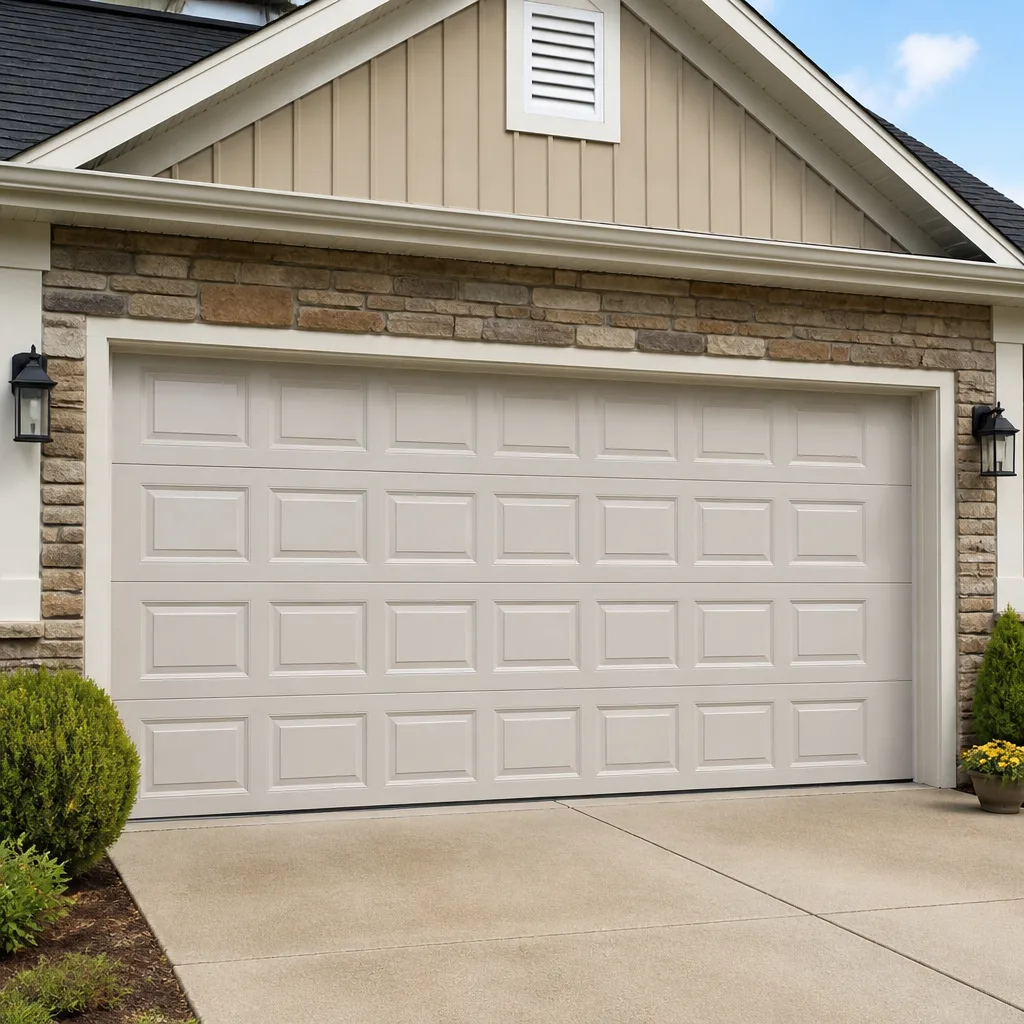 Raised-panel steel
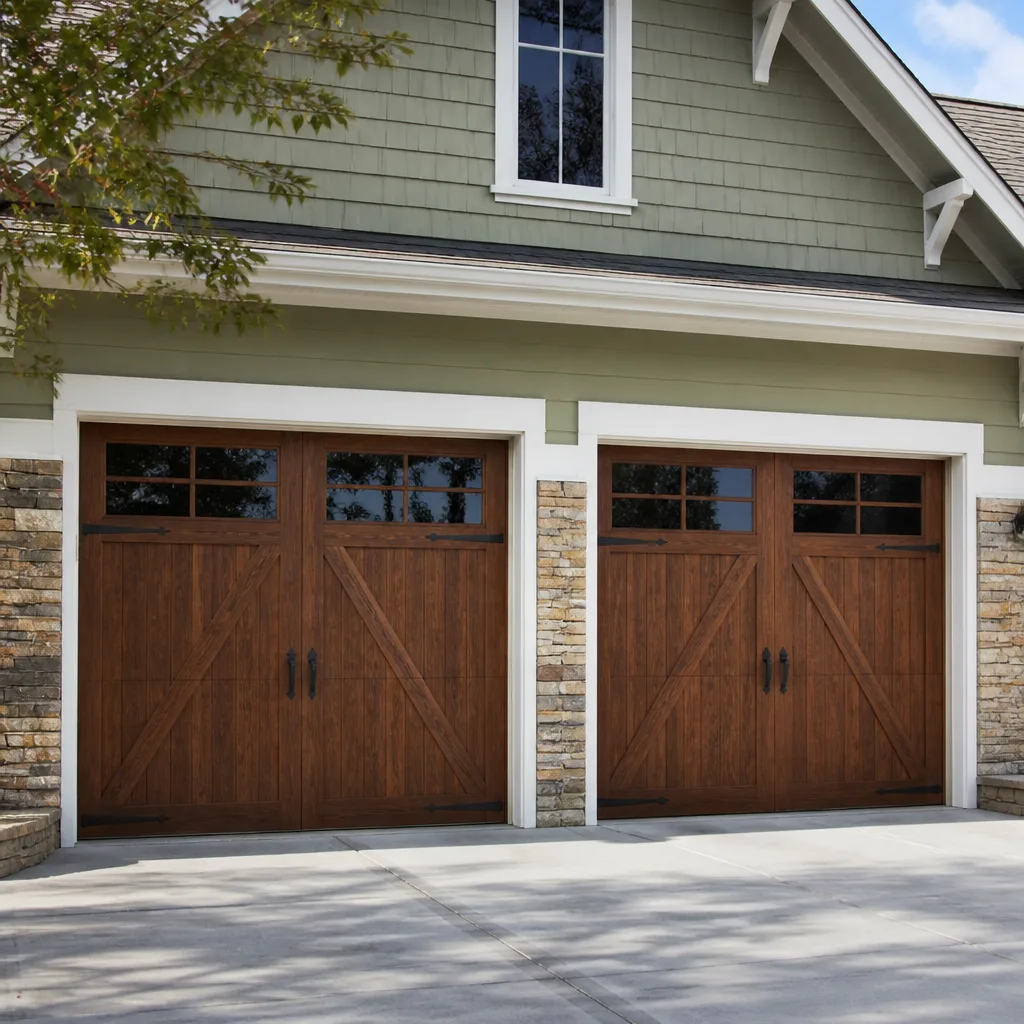 Carriage house
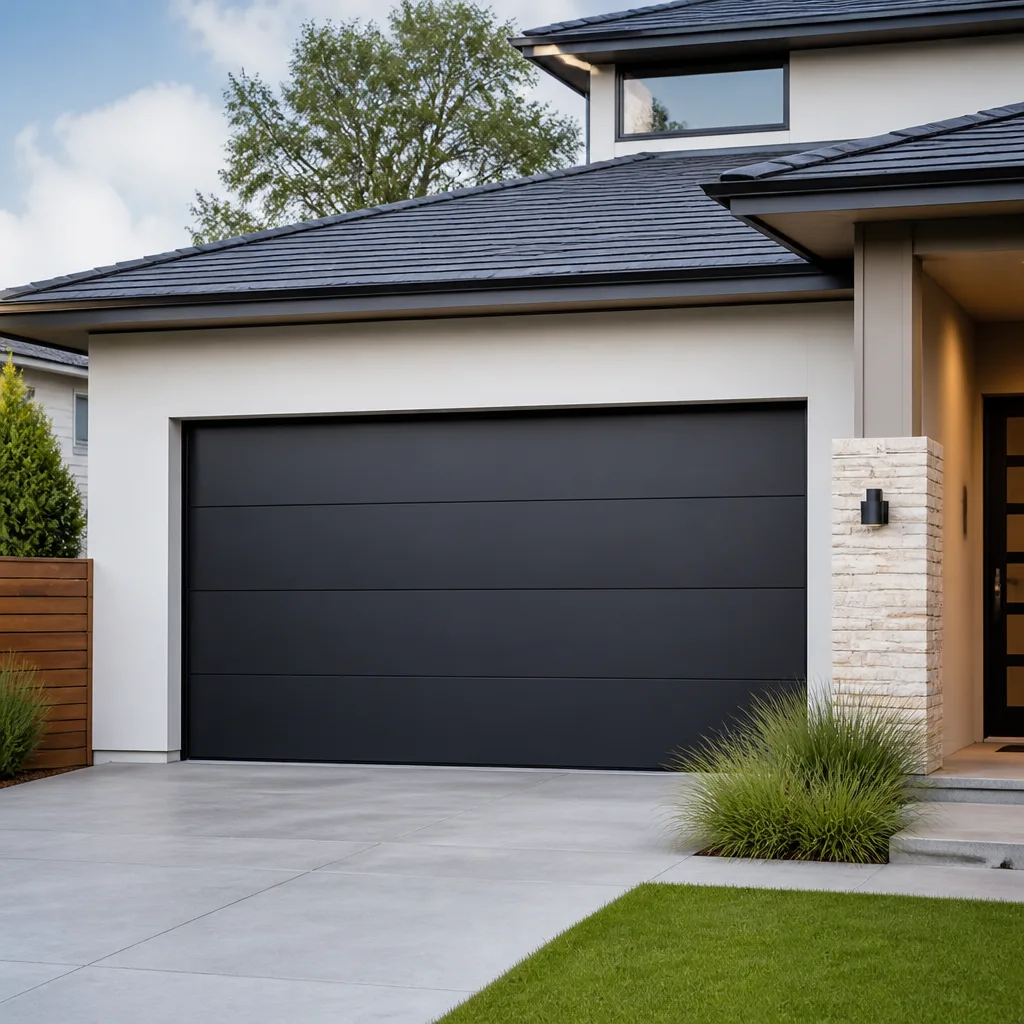 Modern flush
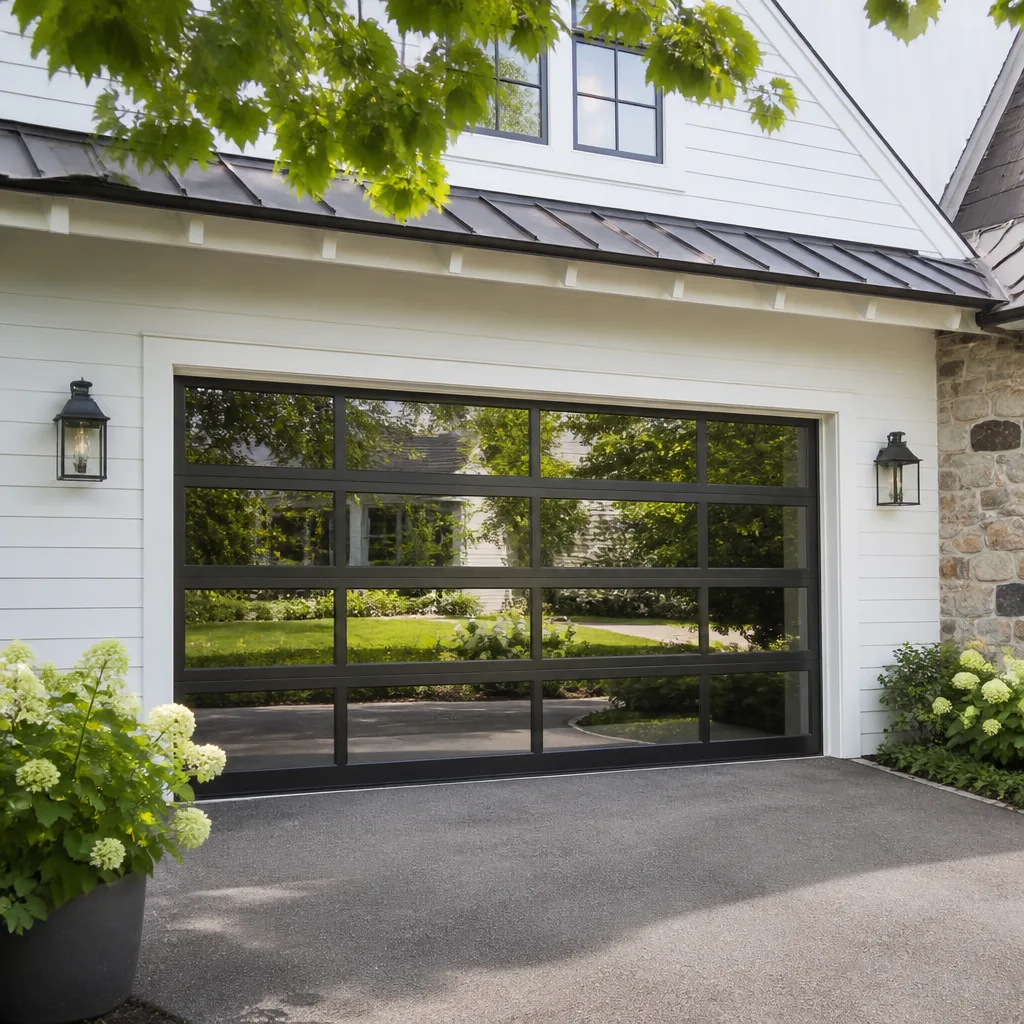 Full-view glass
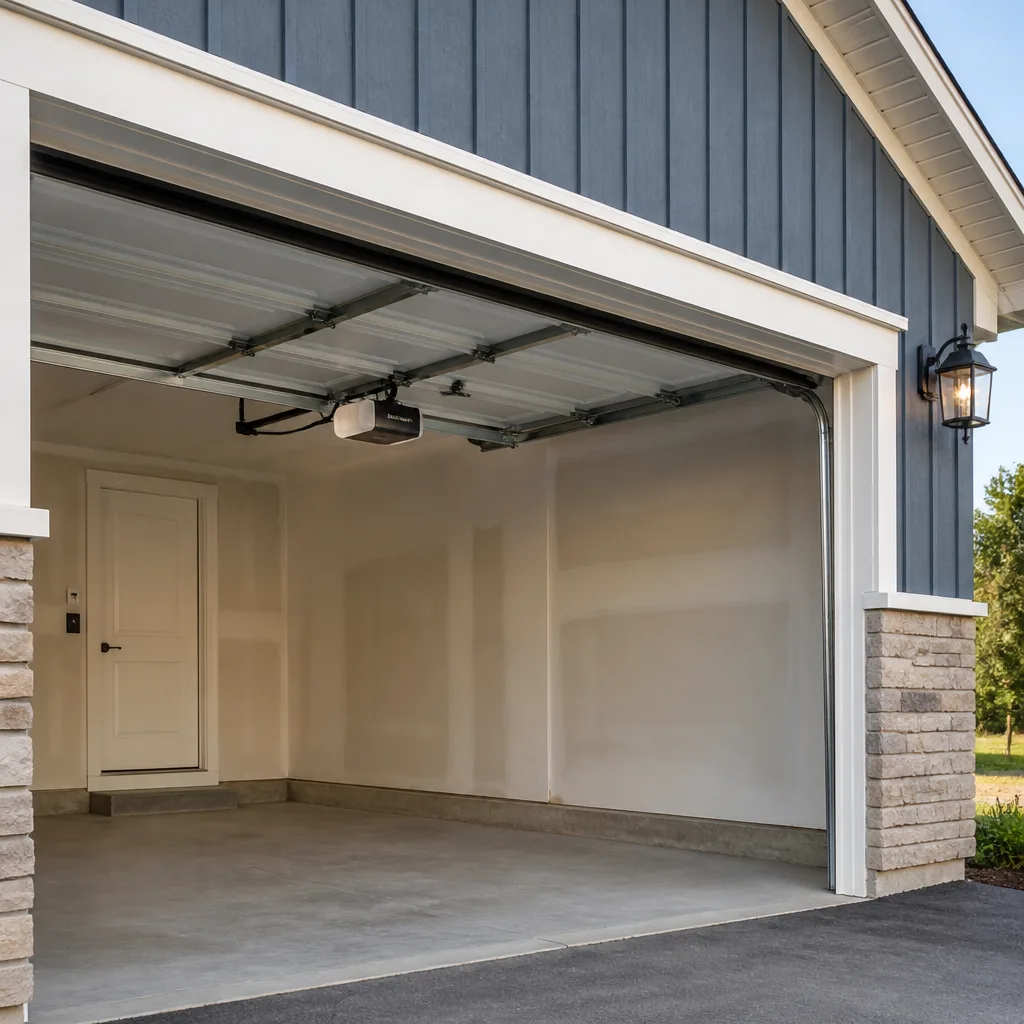 LiftMaster openers
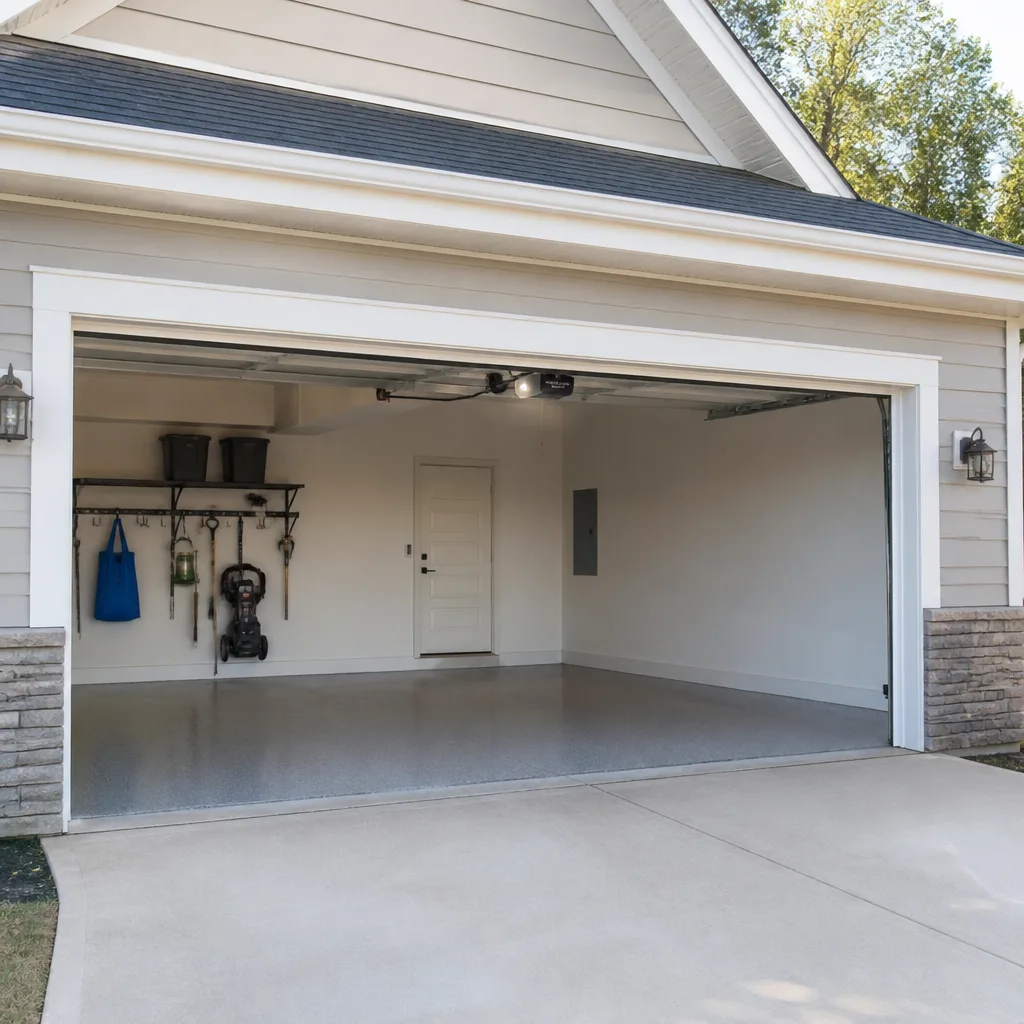 Chamberlain openers
Full 25-point door and opener safety check with every visit - springs, cables, rollers, tracks, and your LiftMaster or Chamberlain opener included
You get a price before we start. It does not change when the pro arrives.
Get your free estimateThe Complete Guide to Garage Doors in Woodbridge Township
Most people treat their garage door as one object. It isn’t. It’s a system of six parts that share the load, and the one that fails first tells you almost everything about how the other five are holding up. That mental shift matters most in a place like Woodbridge Township, where a colonial, a raised ranch, and a townhome can each bend the same repair in a different direction. Once you understand how the pieces connect, you stop guessing at the hardware-store shelf and start making decisions the way a buyer does, not a person reacting at seven in the morning with a door stuck open. This guide maps the whole system: panels, springs, cables, tracks, opener, and weatherseal, how our climate works each one at a different rate, which brands fit which homes, and the math that tells you whether to repair a part or replace the door.
Quick Answer
A garage door is a chain of six subsystems, and it fails at its weakest link: usually the springs first, then the cables they drive, then the opener gear that pushes the rest. In Woodbridge Township, humidity and repeated freeze-thaw swings wear specific parts faster than a dry climate would, so maintenance timing and brand choice matter more here than the sales sheet suggests. Knowing how the six parts interact is what separates a small repair from a full replacement, and it’s the whole point of this guide.
Styles & brands we work with
- Raised-panel steel
- Carriage house
- Modern flush
- Full-view glass
- LiftMaster openers
- Chamberlain openers
Table of Contents
- The Six Subsystems of a Garage Door
- How Woodbridge Township’s Housing Stock Sizes Your Door
- How NJ Humidity and Freeze-Thaw Hit Specific Parts
- Brand Tiers Available Locally and Which Homes They Fit
- The Opener Layer: Smart, Legacy, and Everything Between
- Repair or Replace? A Decision Framework
- A Simple Maintenance Rhythm for Woodbridge Township Homes
- What Garage Door Work Typically Costs
The Six Subsystems of a Garage Door
Think of the door as a chain with six links, each carrying part of the load. When one link gets weak, it starts stealing work from its neighbors, and that’s how a small part failure quietly turns into a bigger repair. Here’s what each subsystem does and how it usually announces trouble.
- Panels. The face of the door. They carry the weight, absorb impacts, and hold the insulation. Dents and rust at the bottom edge are the first signs, and a bent panel can drag on the tracks and stress every other part.
- Springs. The engine. Torsion springs sit on a shaft above the door; extension springs run along the sides. They counterbalance the door’s weight so it feels light. When a spring weakens or snaps, the door suddenly feels like it weighs twice as much, because it does.
- Cables. The tendons. They connect the springs to the bottom corners and keep the door level as it travels. A frayed or slipped cable is a serious safety issue, because a door hanging on one cable can come down hard.
- Tracks. The rails. They guide the door on its path. Tracks bend from bumps and, over time, from seasonal movement in the framing they’re bolted to.
- Opener. The motor and the logic board that decides when to start and stop. It’s the part everyone blames, and it’s often innocent.
- Weatherseal. The bottom seal, side seals, and top seal. They keep rain, cold air, and pests out, and they protect the door’s lower edge from rot.
Here’s the key insight: these parts fail in a rough order under normal household use. Springs take the most continuous strain and often give out before anything else. Cables and rollers wear next. The opener’s gears and logic board tend to fail after the rest of the mechanical system has already been straining it. So when we diagnose a door, we’re not just fixing the noisy part; we’re checking whether the parts around it are working harder than they should.
How Woodbridge Township’s Housing Stock Sizes Your Door
Woodbridge Township is not one housing type. It’s a mix, and the mix changes what repair actually involves. Colonial homes, raised ranches, and townhomes each bring different door dimensions and track configurations, and getting those details right is the difference between a clean install and a frustrating fit.
- Colonials. Often a single wide door or a pair of single doors, with a straight, low-clearance headroom. The opener and spring system have to be matched to that ceiling height, so a torsion system is common when the clearance is tight.
- Raised ranches. The garage often sits under the main living level, so low headroom is the defining constraint. Track drops and spring selection have to work within a few inches of overhead space, and a technician who ignores clearance will order the wrong parts.
- Townhomes and attached garages. Shared walls, narrower openings, and tighter side clearances. Track brackets have to be installed with the adjacent structure in mind, and a generic replacement door rarely drops in cleanly.
That’s why a measure matters before any quote. The same “standard” door sold in a box may need modification to fit a raised ranch’s low headroom or a townhome’s narrower opening. When you work with a specialist who measures first, the sizing conversation happens before the order, not after the delivery.
Across the township, the door is more than a parking space; for a lot of homeowners it’s the main way in and out. That raises the stakes on every repair. If it’s stuck, it’s not just an inconvenience, it’s a security and access problem for the whole house. If you’re in that spot right now, you can reach a specialist through garage door repair.
How NJ Humidity and Freeze-Thaw Hit Specific Parts
New Jersey’s climate works on a garage door in ways a dry-climate market simply doesn’t. The pattern is a wet, humid summer and a winter that swings above and below freezing, sometimes in the same week. Each season attacks a different part of the system, and the combination wears the whole chain faster than steady weather would.
- High humidity softens and swells wood-framed sections, which can bind the tracks. It also corrodes the steel of springs and cables at the ends where moisture gathers, and it makes panel paint blister along the bottom.
- Freeze-thaw swings contract and expand the framing that holds the tracks. Repeated cycles can loosen brackets and pull tracks out of alignment, which then puts extra stress on rollers and the opener.
- Winter salt from the road lands on the door’s lower panels and the bottom seal, accelerating rust on the panel edge and quickening wear on the weatherseal itself.
- Cold snaps make steel brittle. Springs that are already tired are more likely to break in a cold stretch, which is why a door that felt fine in autumn can fail on a January morning.
This is why we watch the weather when we diagnose. A door that cycles fine in a dry month can show a failing spring or a slipping cable once moisture and temperature enter the picture, and the timing of a repair often reveals which link is giving way.
Brand Tiers Available Locally and Which Homes They Fit
Brand is not a status symbol in this trade; it’s a compatibility decision. A door brand shapes the panel construction, the spring system, and the parts you’ll be able to find when something fails years down the road. For Woodbridge Township homes, matching brand to house type and usage frequency saves money over the door’s life.
- Entry-to-mid tier (Clopay and similar): Good value for townhomes and raised ranches where the door gets used often but the opening is tight. Panels are lightweight and serviceable, and repair parts are widely available.
- Mid tier (Wayne Dalton and similar): A solid middle ground for colonials that want a little more insulation and a more solid feel. The larger panel sizes can suit a wide two-car opening.
- Upper tier (Amarr and similar): Built for higher cycle counts and better insulation. A good match for a homeowner who uses the door as a primary entrance and wants long service life.
Our technicians are factory-trained on eight brands, including Clopay, Wayne Dalton, Amarr, and others, which means they know the specific tolerances and failure patterns of the door already installed in your garage. That’s a different kind of service than a general contractor who “also does doors” and has to read the manual on site. If you’re unsure which tier fits your home, that’s a short conversation before you buy, not after.
The Opener Layer: Smart, Legacy, and Everything Between
The opener is the part homeowners blame first and understand last. It doesn’t lift the door; it starts and stops a balanced system. If the springs and cables are doing their job, the motor only needs to overcome friction and inertia. When those parts are tired, the opener works much harder, and the motor or its gears fail as a result.
Most residential openers fall into three groups:
- Smart-home integrated: LiftMaster and Chamberlain systems, including the myQ ecosystem. These add app control and connectivity but need a stable network and a correctly configured safety reverse.
- Traditional units: Genie and other conventional openers with a straightforward logic board and remote receivers. Reliable and repairable.
- Legacy units: Older Craftsman openers still in use across the township. Parts can be harder to source but service is still often possible before replacement is the real answer.
Repair expertise here is about the whole system. If your opener has stopped responding, it could be the motor, the logic board, the safety sensor, or a mechanical problem upstream. That’s why our garage door opener repair starts with the door’s balance, not the remote.
Repair or Replace? A Decision Framework
This is the question that trips up most homeowners, and the answer is rarely about a single part. It’s about the whole system and where it sits in its lifecycle. Use this framework, in order:
- Count the failing parts. One spring, one cable, or a bent track is a repair. Three or more failing subsystems at once suggests the door is near the end of its life.
- Check the panels. If the panels are structurally sound and the tracks are straight, repair is usually worth it. If the panels are rotting, rusted through, or warped, replacement may cost less over time than chasing one patch after another.
- Look at the opener’s age relative to the door. An old opener working harder because of worn mechanical parts is on borrowed time. Sometimes a new door with a matched opener is the more sensible move than nursing an aging pair.
- Match to your usage. A primary-entry door used many times a day needs parts that can take that cycle count. A replacement may make sense even if the old door technically works.
- Compare the whole job, not the part. The price of a repair plus a future replacement is often more than one well-chosen installation. If you’re weighing it out, our Garage Door Repair Woodbridge Pros team can walk through the numbers with you.
Springs sit at the center of this math, since they do the heaviest work and carry the most risk. A spring failure is the most common reason a door “suddenly stops working,” and it’s also the repair where safety matters most. Our garage door spring repair comes up when the door feels too heavy to lift or a cable has gone slack.
A Simple Maintenance Rhythm for Woodbridge Township Homes
A door that lasts 25 years instead of 5 isn’t lucky. It gets checked on a schedule. You don’t need to take the mechanism apart; a few simple checks, done consistently, tell you when a part is drifting out of spec before it takes the rest of the system with it.
- Once a month: Listen. A door that rattles, squeals, or grinds is telling you something. Note where the sound comes from before calling.
- Twice a year, before the temperature swings: Look at the springs and cables for rust, fraying, or a gap where there shouldn’t be one. Check the weatherseal along the bottom for gaps and rot.
- Two to three times a year: Wipe down the tracks with a dry cloth. Don’t lubricate them; grit and oil make a paste that wears the rollers faster.
- Once a year: Look at the panels for rust at the edges and check that the tracks are straight and brackets are tight. A bent track or loose bracket is a sign the framing has been moving with the seasons.
- Before winter: Test the safety reverse and the balance of the door by hand. A door that won’t hold its position is a spring that’s on its way out.
These checks are about spotting trouble early, not disassembling the system. The spring and cable work itself is where safety matters most; a homeowner who tries to adjust or remove a torsion spring can be seriously injured, and we always recommend a trained professional for anything past a visual check.
What Garage Door Work Typically Costs
Costs in Woodbridge Township follow the same pattern as anywhere else: the part that takes the most risk and skill costs the most, and the part a homeowner can see costs the least to fix and the most to replace. Here are the typical ranges. These are estimates; the written quote you get before any work starts is the final price.
- Spring repair (one spring): typically a few hundred dollars, and a matched pair is replaced together at about twice that. We quote one spring, never both in the same number.
- Opener repair: varies by part. A sensor or logic board is at the low end; a full motor or unit replacement is higher.
- Door panel or hardware repair: a single-panel or track repair sits in the middle of the range.
- Full door replacement: the highest line on the list, because it includes measuring, ordering, and installation.
For a fuller breakdown of what each job involves, see our cost guide through spring repair, and for the exact numbers on your door, call us. Estimates are free, and the price is agreed before anyone touches the door.
Common Mistakes to Avoid
- Assuming the opener is the problem. If the door won’t lift, the odds are it’s a spring or cable, not the motor. Chasing a new opener when the springs are tired wastes money and leaves the real fault in place.
- Treating one spring as the start of a tradition. Springs are replaced as a matched pair. Replacing one and leaving the other means the second is likely to fail shortly after, often in a cold snap.
- Buying a boxed door without measuring the opening. Raised ranches and townhomes often have low headroom or narrow openings that a standard door won’t fit. Measure first, then order.
- Ignoring the bottom seal. A worn bottom seal lets water into the lower panel and rust starts where you can’t see it. It’s the cheapest part on the door and one of the most important.
- Trying to fix a torsion spring alone. This is where DIYers get hurt. Springs are under high tension; let a trained technician handle it.
- Choosing a generalist because they were already in the driveway. A contractor who does many trades has less depth on door systems. This is a single trade for us, and the diagnosis reflects it.
- Skipping the maintenance walkthrough. Twenty minutes twice a year prevents most of the failures we document, and it’s the reason a door can last two decades or more.
See the difference
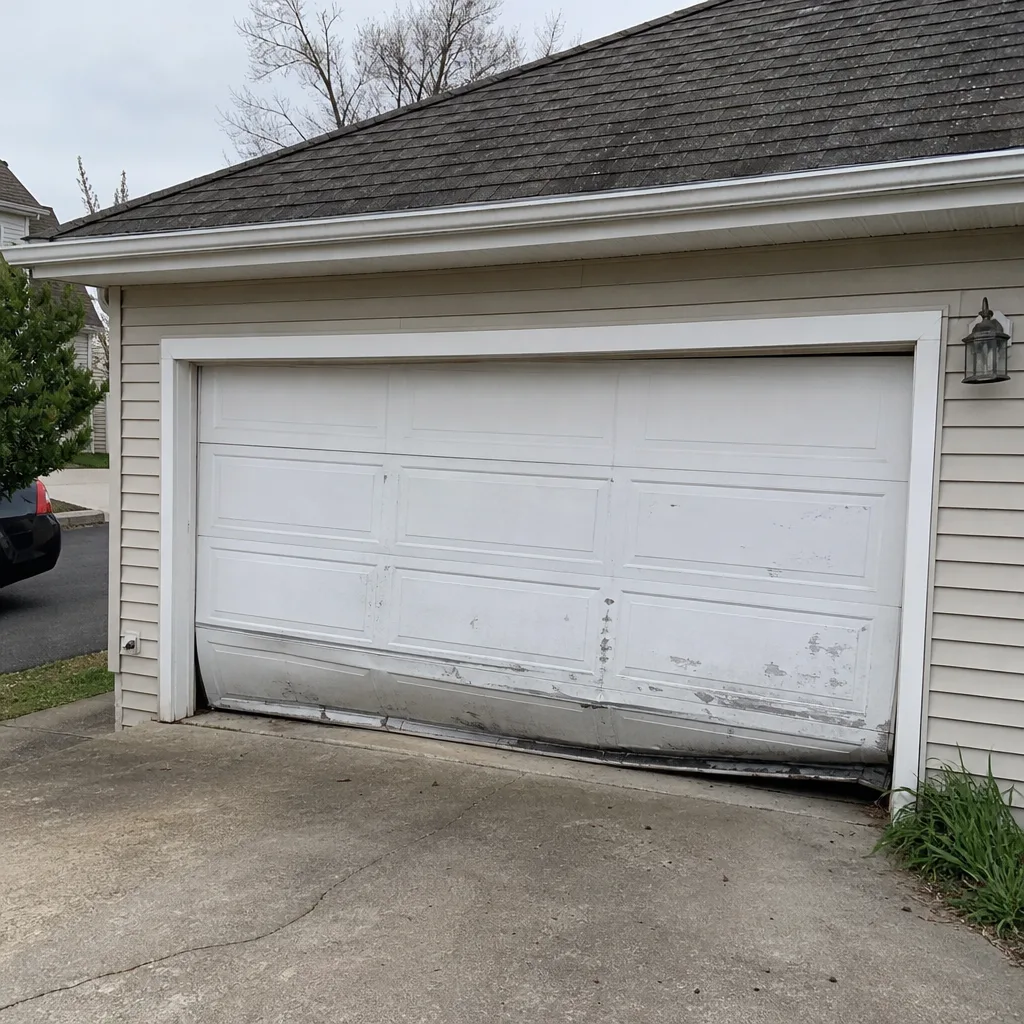 Before
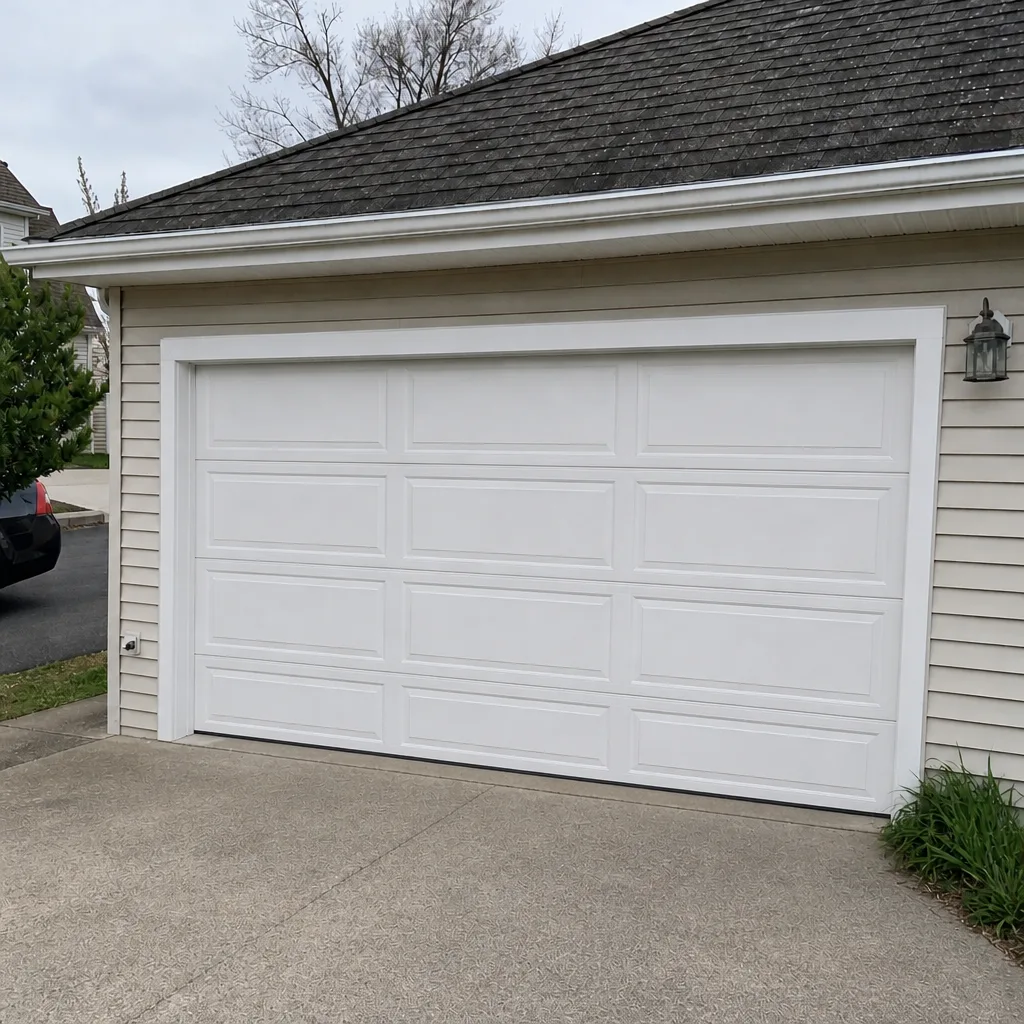 After
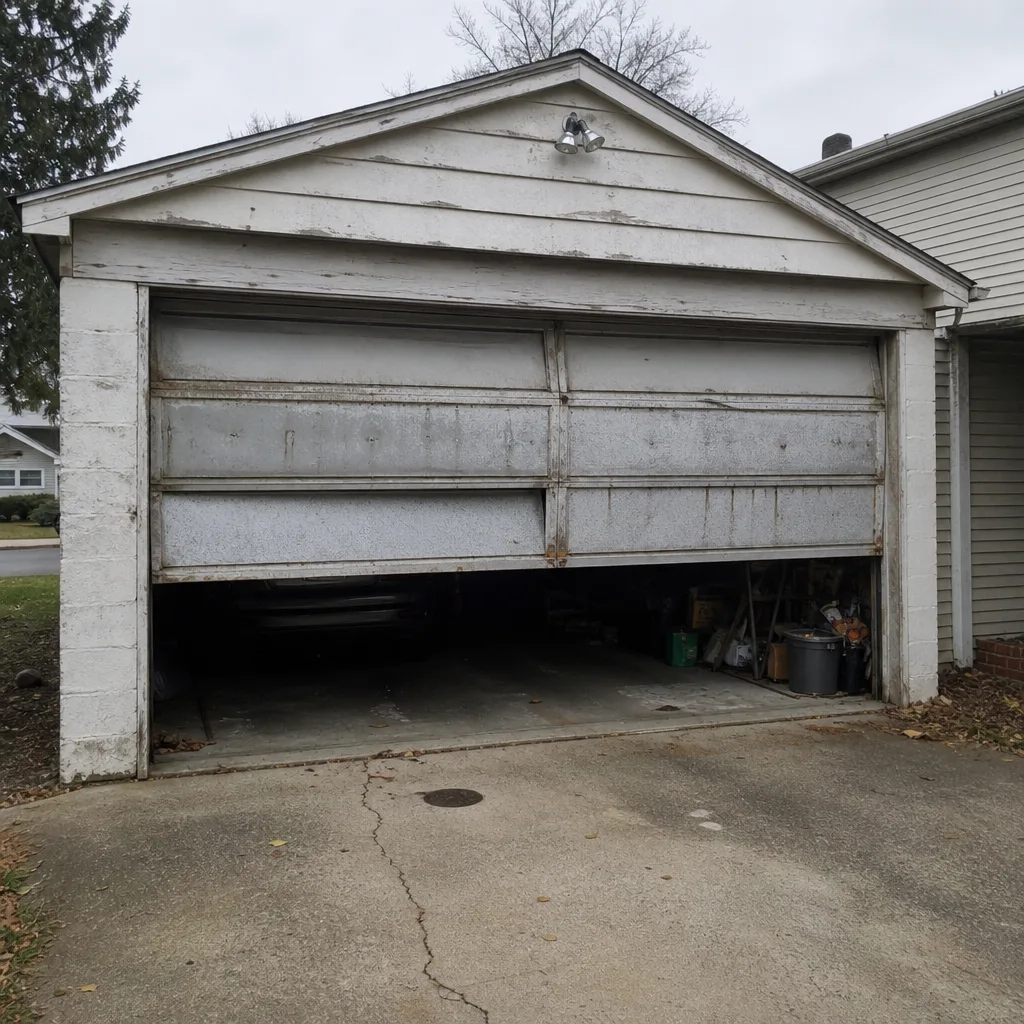 Before
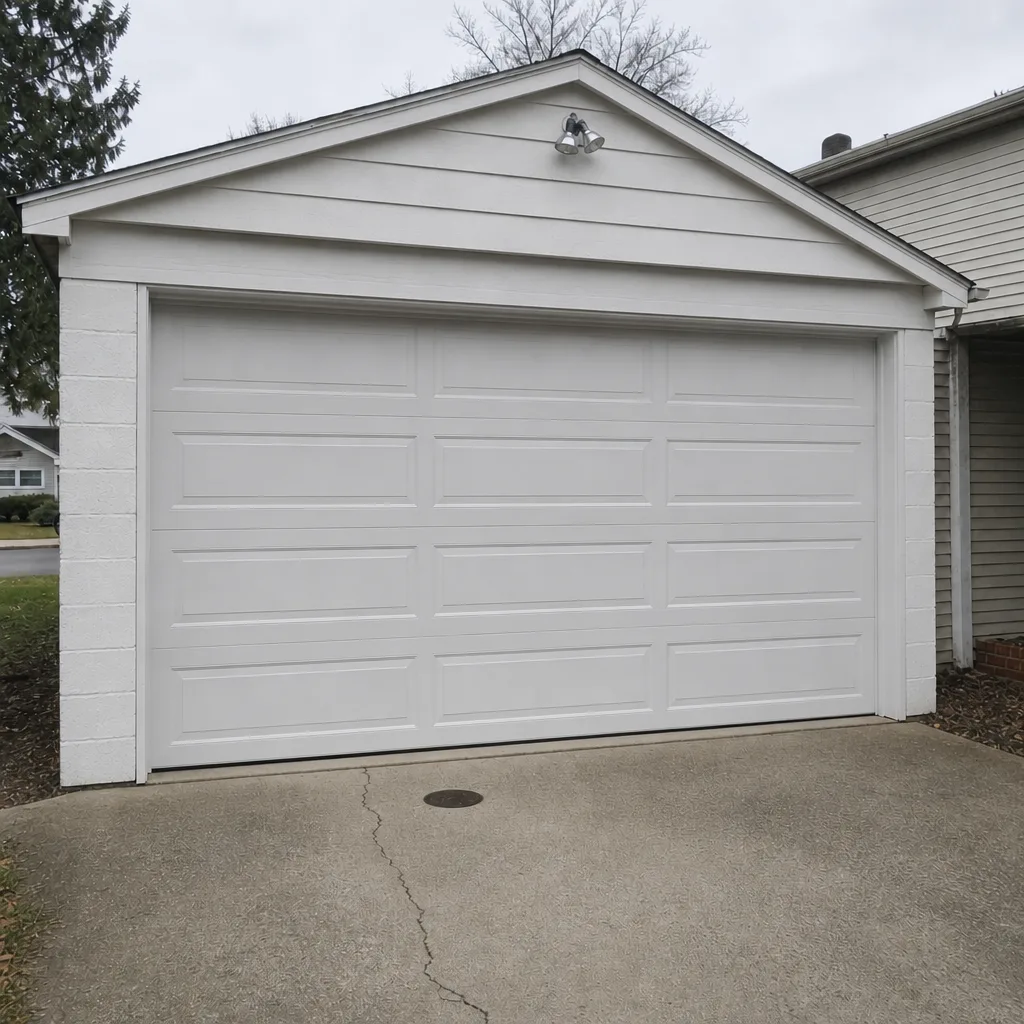 After
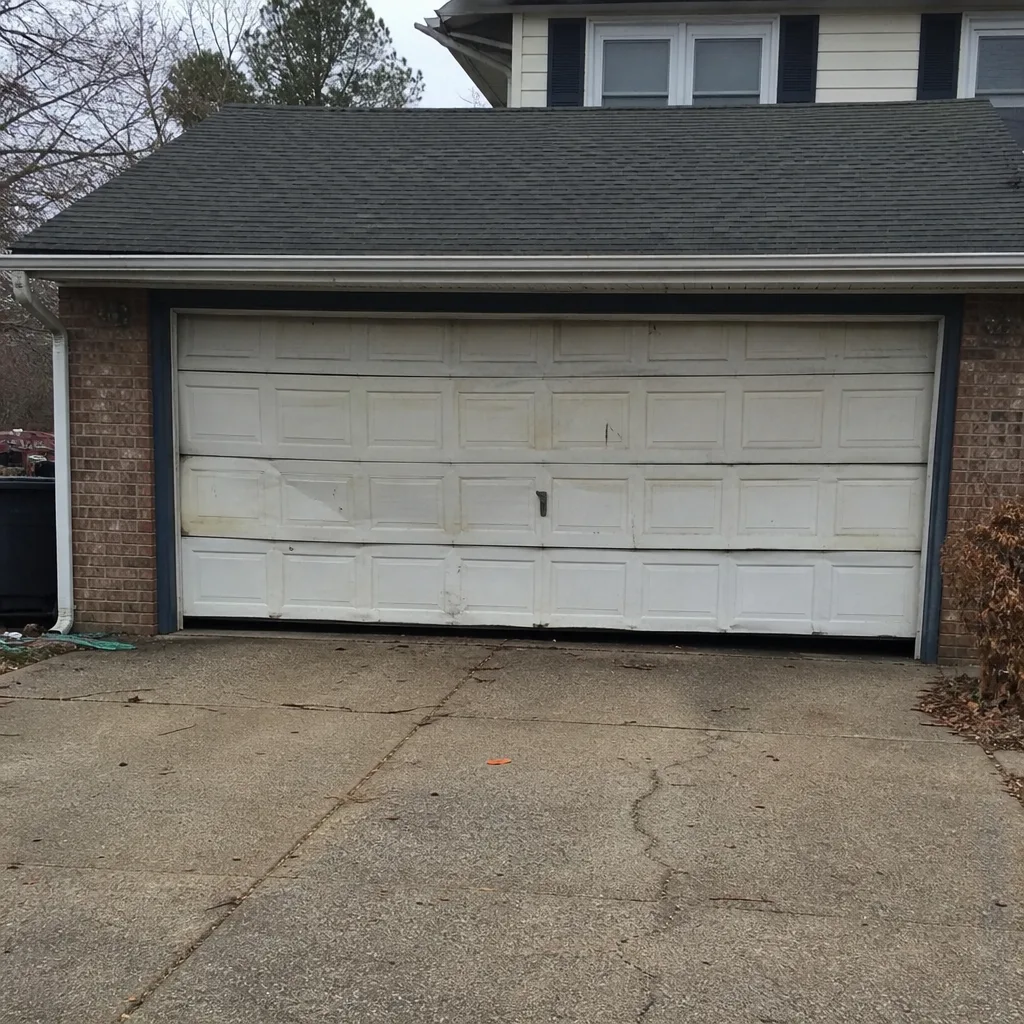 Before
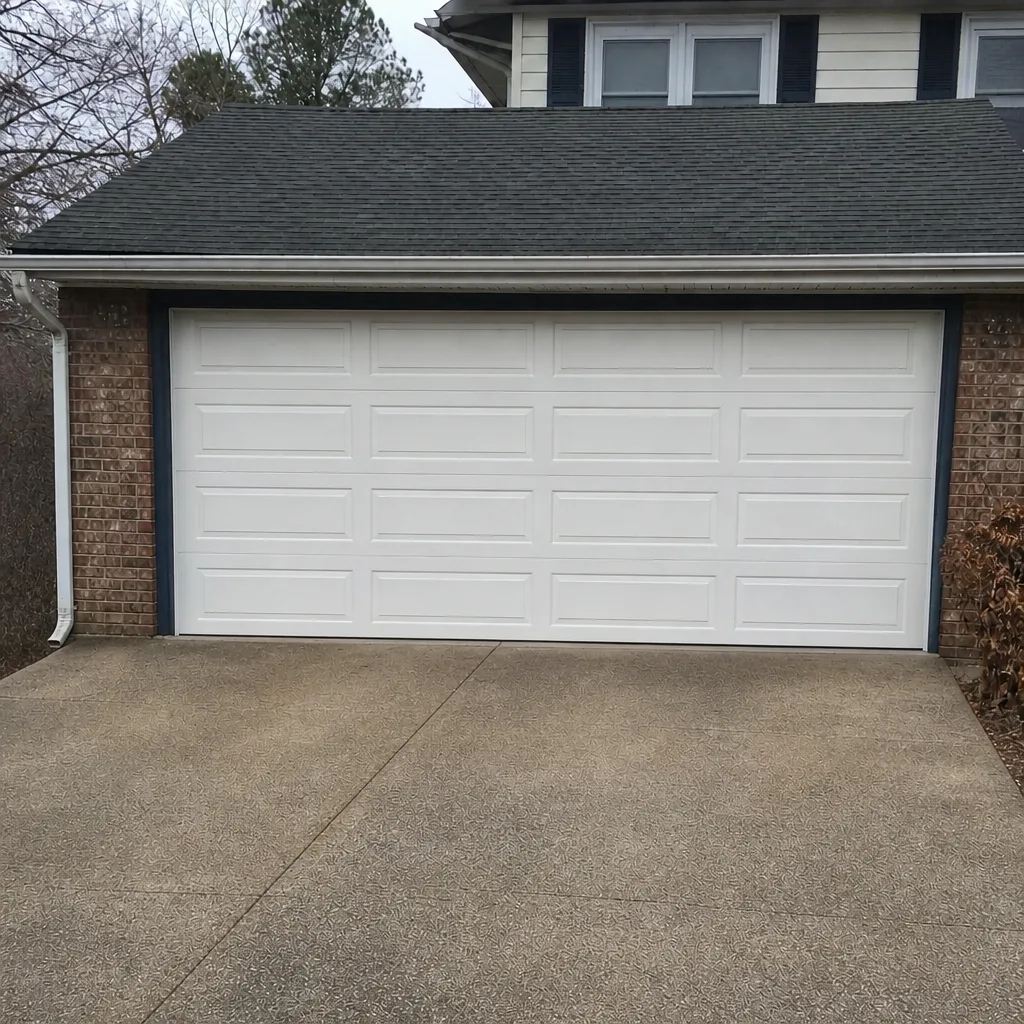 After
When to Call a Professional
Some problems are worth a look, and some need a call. If the door won’t open or close at all, if a spring has visibly snapped, if a cable is slack or frayed, or if the door is crooked and grinding as it travels, these are jobs for a professional, and quickly, because a door off its tracks can fall. A noisy opener, a remote that only works up close, or a door that feels heavier than it used to are all worth a diagnostic before they become an emergency. Garage Door Repair Woodbridge Pros offers free estimates in Woodbridge Township; call (866) 774-1757 and we’ll tell you what the system is doing and what it costs to put it back in shape.
Frequently Asked Questions
The most reliable clue is how the door moves. If it feels heavy or won’t stay partway up, it’s a spring. If it moves but stops halfway or reverses, it’s likely a sensor or opener issue. If it grinds or runs crooked, check the tracks and cables. A trained technician confirms it in minutes.
For repair and emergency calls, same-day availability is often possible, and fast dispatch runs from 7am to 7pm. That’s different from installation work, which is measured and scheduled. If your door has failed, call (866) 774-1757 and we’ll tell you what’s available.
No. The quote you receive is the price, and it’s agreed before any work starts. That’s the point of the written estimate: it protects you from an invoice that comes in higher than the number you heard on the phone.
The local professional we connect you with is licensed and insured as state requirements dictate, and our technicians have up to 14 years of experience. Brand training on systems like Clopay and Wayne Dalton means they know the door already in your garage.
Permit requirements vary by the scope of the work and the local building department, so it’s always worth asking before a major job. A replacement door or structural change may need one; a spring or opener repair usually doesn’t. The city’s building department can confirm for your specific project.
A well-maintained door can last 20 to 25 years; a neglected one can fail far sooner, especially with the humidity and freeze-thaw cycles we see here. The six-subsystem chain tells the story: the door lasts as long as its weakest part is caught early.
The Bottom Line
Your garage door is a system of six interdependent parts, and in Woodbridge Township the climate and housing mix put specific strain on each one. The springs carry the most load and fail first; cables, tracks, and weatherseal follow; and the opener is usually the victim, not the cause. Know the six parts, measure before you buy, match brand to home type, and decide repair versus replacement by counting failing parts, not by reacting to the loudest symptom. A little understanding and a maintenance rhythm go a long way here, and it’s the difference between a door that lasts 5 years and one that lasts 25. When you need the job done, call (866) 774-1757 for a free estimate.
Written by the team at Garage Door Repair Woodbridge Pros.