Last updated November 23, 2026
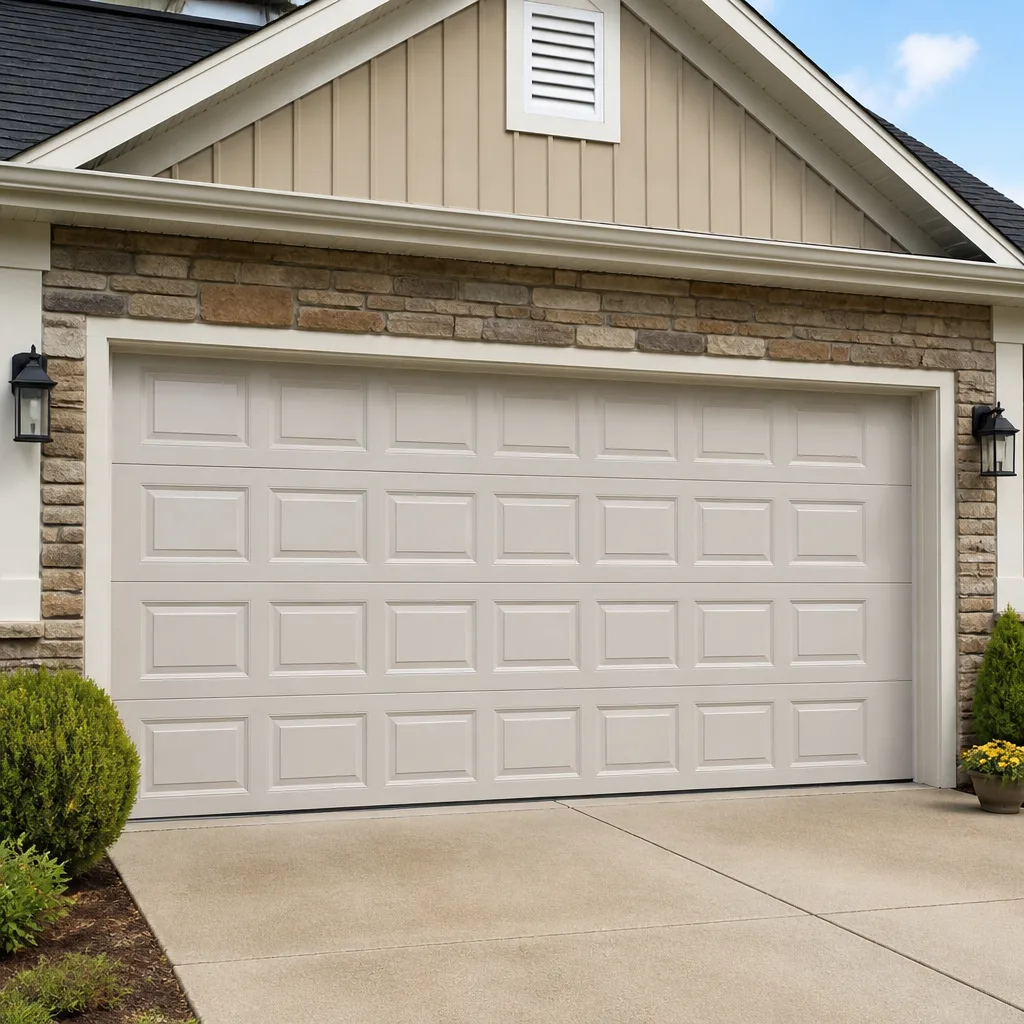 Raised-panel steel
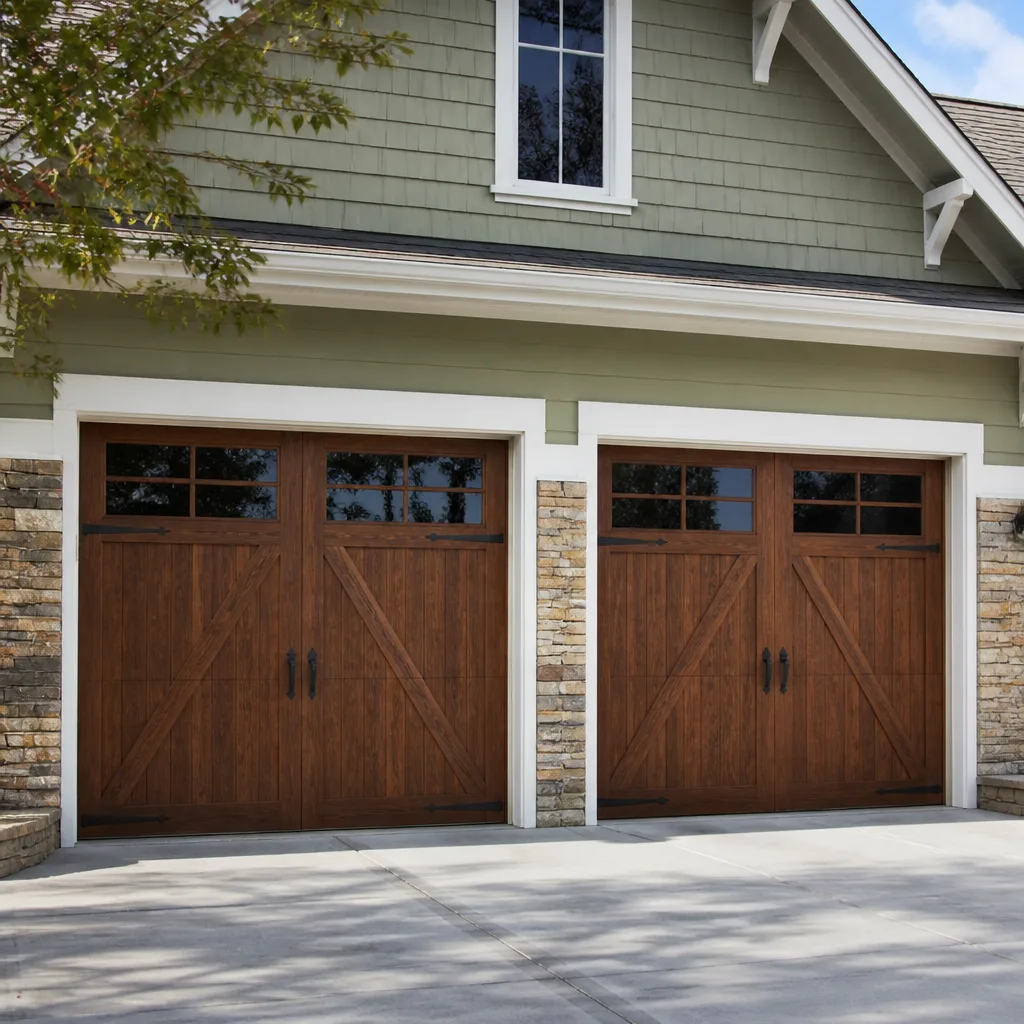 Carriage house
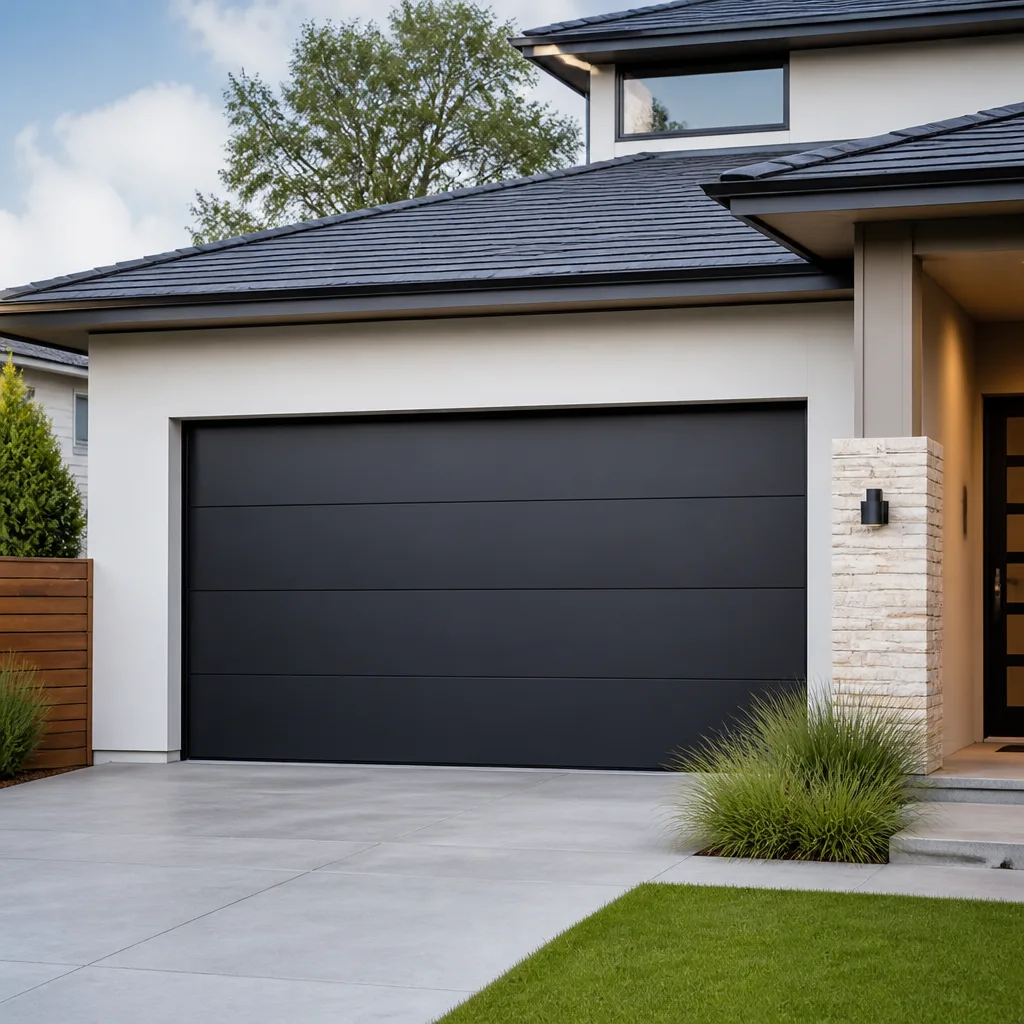 Modern flush
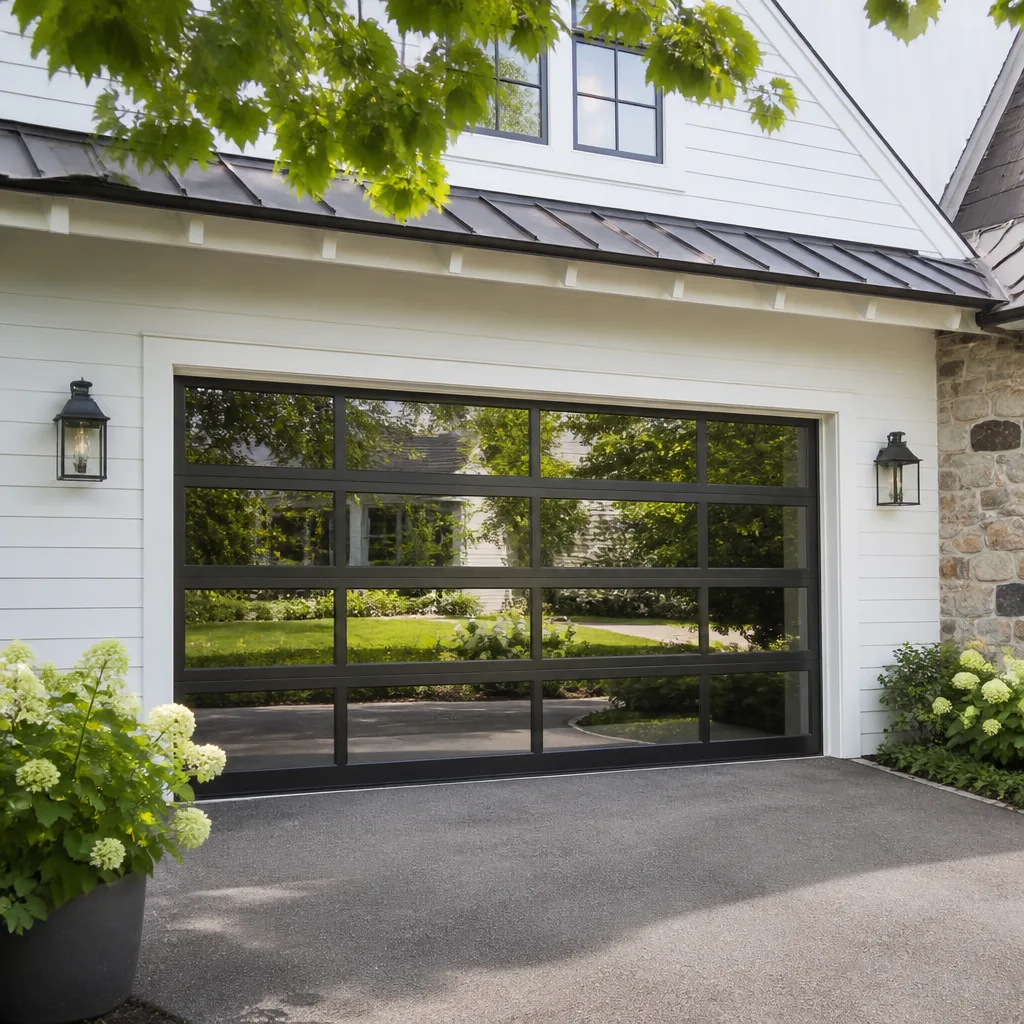 Full-view glass
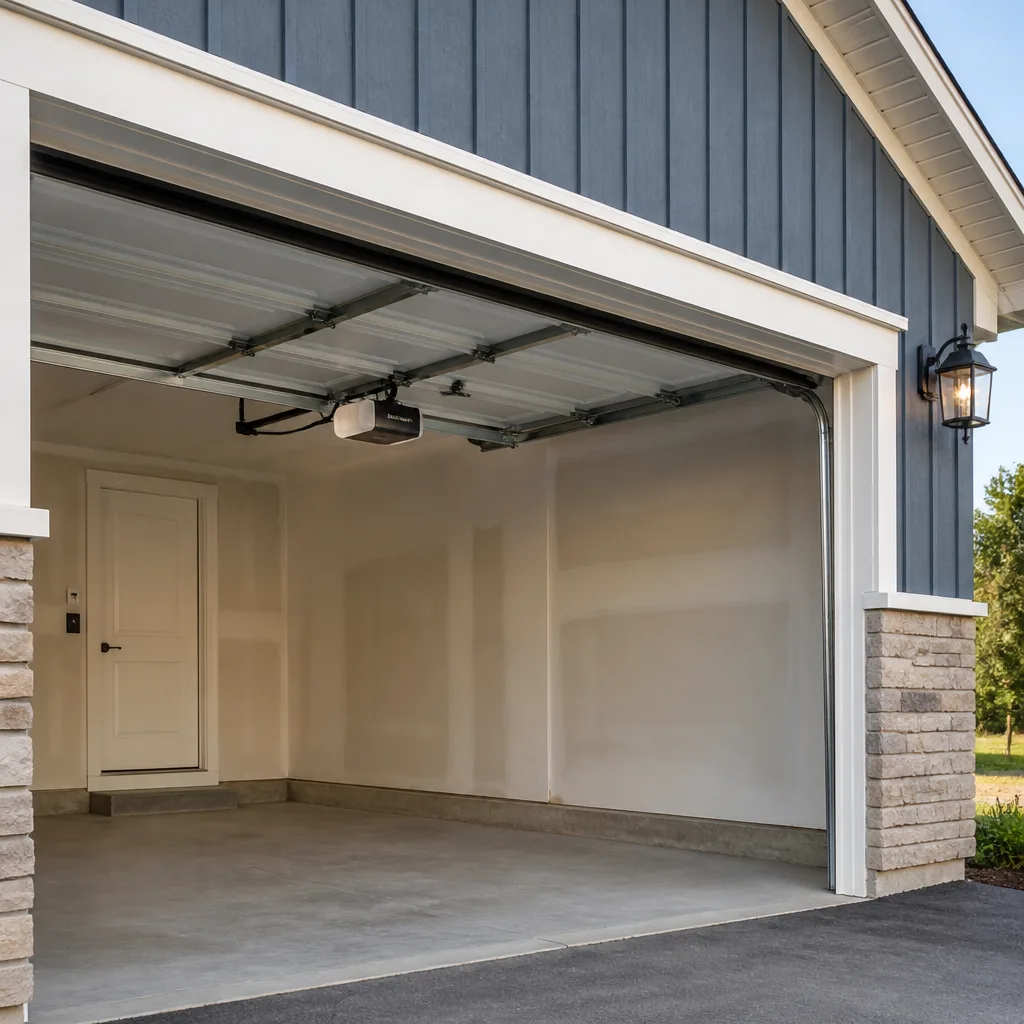 LiftMaster openers
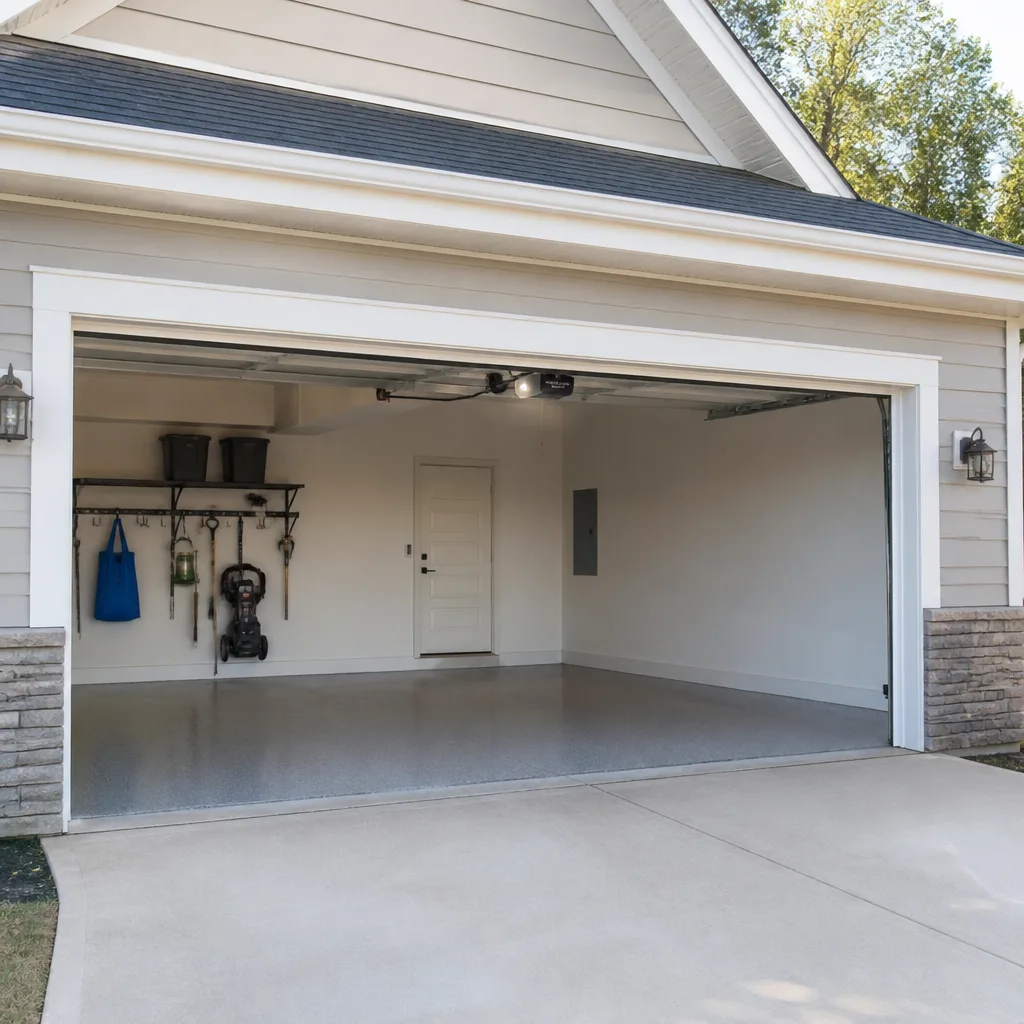 Chamberlain openers
Full 25-point door and opener safety check with every visit - springs, cables, rollers, tracks, and your LiftMaster or Chamberlain opener included
You get a price before we start. It does not change when the pro arrives.
Get your free estimateGarage Door Emergency Preparedness Guide for Woodbridge Township Homes
Most garage door emergencies in Woodbridge Township don’t start with broken hardware. They start with a homeowner who has never looked up at the opener rail, never touched the manual release cord, and never thought about what happens when the power drops during a nor’easter and the car is trapped inside. The door itself is fine. The plan is missing. This guide changes that. You’ll learn how to release a door by hand, what to do when a spring snaps mid-cycle, how to tell an emergency from a next-day call, and which small prep items most Woodbridge Township garages are missing right now.
Quick Answer
Garage door emergency readiness in Woodbridge Township comes down to three things: knowing where your manual release cord is and how to use it, knowing the safe position to leave a door when a spring breaks, and having a backup power source plus an exterior entry method so you’re never locked out. None of it requires tools or technical skill, and all of it takes about ten minutes to set up before an emergency happens.
Styles & brands we work with
- Raised-panel steel
- Carriage house
- Modern flush
- Full-view glass
- LiftMaster openers
- Chamberlain openers
Table of Contents
- How Do You Open a Garage Door During a Power Outage?
- What Should You Do When a Spring Breaks Mid-Cycle?
- How Do You Disconnect a Door From a Malfunctioning Opener?
- Emergency Triage: When to Call Now vs. Book a Service Visit
- The Woodbridge Township Garage Preparedness Checklist
- Nor’easter Season: Preparing Your Garage Before the Storm
- Opener Failure vs. Power Loss: Telling Them Apart
- Keeping Your Garage Secure When the Door Won’t Close
How Do You Open a Garage Door During a Power Outage?
You pull the manual release cord hanging from the opener trolley, then lift the door by hand. That’s the whole procedure. The cord disconnects the door from the opener’s drive mechanism so the door moves freely on its tracks. Most openers have the cord hanging from a red-handled trolley near the center of the rail, roughly six feet off the floor. If you’ve never looked for it, walk out to your garage now and find it. Knowing its location in daylight is very different from finding it by flashlight in a dark garage.
Here’s how to release and operate the door safely:
- Stand clear of the door’s path. A released door is heavier than it looks, and a door with a broken or weak spring will drop fast.
- Pull the release cord straight down until you hear or feel the trolley disengage. Don’t yank it sideways.
- Lift the door slowly with both hands at the bottom section. A balanced door should rise with moderate effort. If it feels extremely heavy or won’t stay up, stop and lower it.
- Prop or secure the door if you need it open for more than a moment. Don’t leave an unsupported door halfway up.
- Re-engage the opener once power returns by lifting the door to fully open and running the opener, which reconnects the trolley automatically on most models. If it doesn’t catch, pull the cord again and cycle the opener.
Woodbridge Township homes with attached garages and modern LiftMaster or Chamberlain openers usually have a battery backup option that keeps the door operating for a limited number of cycles during an outage. If your opener supports it, that’s the single best upgrade for storm season in Middlesex County. Not every unit has it. Ours don’t have to guess which one you’re dealing with – our technicians are factory-trained on LiftMaster and Chamberlain systems and can tell you in minutes whether your opener accepts a backup battery.
What Should You Do When a Spring Breaks Mid-Cycle?
When a spring breaks mid-cycle, the door becomes dangerously unbalanced. It may hang partially open at an angle, come down hard, or refuse to move at all. Your first move is to stop touching it. A garage door with a failed torsion or extension spring is under enormous stored tension, and forcing it up or down can bend the tracks, snap cables, or cause the door to fall. Leave it where it is and call for service.
What a spring failure usually looks like:
- A loud bang or snap from inside the garage, often described as sounding like a gunshot
- The door hanging crooked or dropping to one side
- The opener running but the door not moving, or moving a few inches and stopping
- A visible gap in the torsion spring above the door, or a stretched, dangling extension spring along the track
If the door is fully closed when it breaks, leave it closed. That’s the safest position. If it’s partially open, don’t try to close it by hand. A door held up by remaining spring tension on one side can twist and come down unevenly. Instead, keep people and pets away from it and book a garage door spring repair visit. Spring work is the most safety-critical part of this trade, and it’s a job that regularly injures homeowners who try it themselves. Both torsion and extension systems need the right tools and controlled release. That’s why dedicated spring repair is a core service for us, not an occasional add-on.
How Do You Disconnect a Door From a Malfunctioning Opener?
Disconnecting from a dead opener and disconnecting from a malfunctioning one are two different jobs. Power loss is simple: pull the release cord and the door is yours to operate by hand. A malfunctioning opener is trickier. If the opener is running but the door is stuck, jamming, or cycling on its own, the issue might be the motor, the logic board, or a sensor. Pulling the release cord still disengages the door, but the opener itself will keep trying to run.
Here’s the distinction in practice:
- Opener is silent and the lights are off: This is almost certainly a power loss. Check the outlet and your breaker panel first, then use the manual release.
- Opener lights are on but the motor doesn’t move: Likely a logic or motor failure. Disconnect the door with the release cord and unplug the opener so it stops trying to run.
- Opener runs but the door doesn’t move: The trolley may be disengaged, or the door is jammed. Don’t force anything. Call for garage door opener repair.
- Opener runs and the door moves erratically or reverses: Likely a safety sensor issue. Clear any obstruction at the base of the tracks first. If it continues, disconnect and call.
Down in Woodbridge Township, we see a lot of older openers – some original Craftsman units that have been running for decades – where the disconnect logic isn’t obvious because the trolley design is different from newer models. Our technicians have up to 14 years of experience and are trained on those legacy openers as well as current smart-home systems. When in doubt, disconnect the door, unplug the unit, and leave the diagnosis to a professional.
Emergency Triage: When to Call Now vs. Book a Service Visit
Not every garage door problem is a true emergency. A door that won’t close and leaves your home open to the street is urgent. A door that opened fine this morning but squeaks a little isn’t. The trick is sorting the two before you panic-call. Fortunately, emergency service is part of what we offer as a standard capability – so you’re not paying a premium add-on for after-hours help.
Call for immediate emergency service when:
- The door is stuck open and you can’t secure the garage
- A spring has broken and the door is hanging or unsafe
- The door has come off its tracks
- A cable has snapped or is dangling loose
- The door is jammed in a position that blocks your car and you need it moved safely
Book a scheduled service visit for:
- A noisy door, a slow opener, or a remote that works intermittently
- A door that opens and closes unevenly
- Routine opener maintenance or a sensor that needs realigning
- A door that only works from one remote and you want it sorted out
If you’re not sure which category you fall into, call and describe the situation. It’s faster than guessing. For non-emergencies, a scheduled garage door repair visit gets you the same quality of work without an emergency timeline.
The Woodbridge Township Garage Preparedness Checklist
Most Woodbridge Township garages are missing three or four items from this list. The goal isn’t to over-prepare – it’s to remove the friction from the first five minutes of an emergency. Here’s what to have in place:
- Locate and label the manual release cord. Tie a bright tag or ribbon on it so you can find it in the dark. Test that it pulls smoothly.
- Add a backup battery to your opener if it accepts one. LiftMaster and Chamberlain systems with battery backup keep the door working through short outages.
- Install an exterior keypad. If a power failure locks the opener remote out, a keypad gives you entry without opening the garage by hand every time.
- Keep a manual key lock on the door. This is the fallback if the keypad fails or the battery dies. Many homes don’t have one.
- Store a spare remote somewhere outside the garage – in your kitchen drawer, not in the car.
- Keep a flashlight with fresh batteries on a hook near the garage entry door.
- Know your opener model and serial number. Take a photo of the label on the unit. It saves time on a service call.
- Check your spring balance once a year. Disconnect the door and lift it halfway. If it won’t stay put, the springs need attention.
Woodbridge Township has a wide mix of housing stock, and the prep items vary by home. Older homes in Colonia and Iselin often have manual doors still in service, which means the release cord and exterior key matter more than the backup battery. Newer homes near the Avenel and Fords areas more often have smart openers where a backup battery and a phone app are the easy wins. In the Port Reading and Sewaren neighborhoods, plenty of homes have openers with no battery backup at all – which is why outages tend to hit that side of town harder.
Nor’easter Season: Preparing Your Garage Before the Storm
Nor’easters are the single biggest cause of garage door emergencies in Woodbridge Township. They knock out power, dump water at the base of doors, and push wind through gaps you didn’t know existed. The good news is that garage doors handle wind and water far better when you check a few things before the storm hits, rather than after.
Before a storm arrives:
- Test the door’s balance and motion so you know it’s running clean. A door that’s already sluggish is more likely to jam when the power drops.
- Clear the tracks and the door seal. Debris and hardened weatherstripping make a door harder to move by hand.
- Confirm your opener has a fresh backup battery if it accepts one.
- Charge your phone and test your keypad so you have at least two ways in.
- Move anything stored against the door or the tracks. Stored items become hazards when a door has to be operated by hand.
After a storm, before you press the opener:
- Walk the perimeter and look for bent tracks, hanging cables, or a broken spring.
- Clear any debris or standing water at the door base.
- Test the door by hand first if the power is out or the door looks disturbed.
- Only run the opener once the door moves smoothly and you’re confident nothing is jammed.
Storm seasons in Middlesex County have become less predictable, and the calls we get after a nor’easter are nearly always about the same handful of things: lost power, water intrusion at the threshold, and door balance issues that were already there but only showed up when the door had to work harder. If your door is in one of the major brands, our technicians are factory-trained to know what to look for. The garage doors and openers we service include Garage Door Repair Woodbridge Pros brand lines such as Clopay and Amarr on the door side, and Chamberlain on the opener side, alongside other leading manufacturers.
Opener Failure vs. Power Loss: Telling Them Apart
Knowing whether your garage door is suffering from an opener failure or a simple power loss changes what you do next. The difference is usually obvious once you know the signs. Power loss means nothing on the opener is lit – no lights, no display, no sounds. Opener failure means the unit is receiving power but not working properly.
Check in this order:
- Look at the opener. No lights at all points to a power loss. Lights but no movement points to an internal failure.
- Check the outlet and breaker so you don’t diagnose a failed opener when the real problem is a tripped circuit.
- Test another wall outlet nearby with the opener’s plug to confirm the outlet works.
- Try the wall-mounted control panel as well as the remote. If the wall panel works but the remote doesn’t, the issue is the remote or the radio, not the opener.
- Look at the safety sensors. A misaligned or dirty sensor causes the door to reverse or refuse to close entirely.
Modern openers use the same underlying hardware whether they’re branded smart or traditional. LiftMaster and Chamberlain’s myQ systems give you a phone app that often tells you what’s wrong before you even leave the house. Older Craftsman units don’t, which is why we spend more time troubleshooting those by hand. If you’ve confirmed power is fine and the opener still won’t respond, it’s time to call for opener repair rather than keep pressing buttons. Continued attempts on a failing opener can damage the motor or gear assembly.
Keeping Your Garage Secure When the Door Won’t Close
When a garage door won’t close, the garage becomes an open doorway into your home. That changes the triage instantly. If the door is stuck open, the priority is making the opening secure – not fixing the door in the moment. If the door is fully shut but the opener isn’t working, the home is still secure and the repair can wait for a scheduled visit.
Ways to secure a stuck-open garage:
- Use a manual lock or slide bolt on the inside of the door if you can reach it safely from inside.
- Back a vehicle against the opening from outside if you have a second door or a way in.
- Lower the door by hand if the spring system allows it and prop or block it from lifting.
- Keep the garage-to-house door locked and deadbolted while the garage is open.
Don’t try to reseal a stuck door with rope, bungee cords, or temporary tracks. That’s how doors come down unexpectedly. A secure garage door is a mechanical system that needs to close correctly on its spring counterbalance. Anything else is a stopgap for a few hours, not a fix. If the door won’t close because it’s off its tracks or the springs are compromised, get help the same day. That’s when our emergency service is genuinely the right call – not just faster, but safer.
Common Mistakes to Avoid
- Not knowing where the manual release cord is until you need it. In an outage, you’ll be hunting for the cord in the dark. Find and label it now, not during a nor’easter.
- Forcing a stuck door. When the door won’t move cleanly, pushing harder bends tracks, snaps cables, and can bring the door down. Stop and diagnose.
- Trying to lift a door after a spring breaks. Spring work is dangerous. A door with a failed spring can weigh far more than you expect, and the stored tension in the remaining spring is a real hazard.
- Leaving a stuck-open garage unattended. A garage left open is a security problem, especially in denser parts of Woodbridge Township where driveways are close to neighboring homes.
- Skipping the exterior keypad and manual lock. Homes without a keypad often can’t get into the garage by hand once the opener fails, which traps the car inside for hours.
- Assuming the opener is dead when the power is out. Diagnose power first. It’s the easiest fix and the most common cause.
- Ignoring an aging spring. Springs wear out gradually and then suddenly. If yours is noisy, uneven, or visibly worn, get it checked before it breaks mid-cycle.
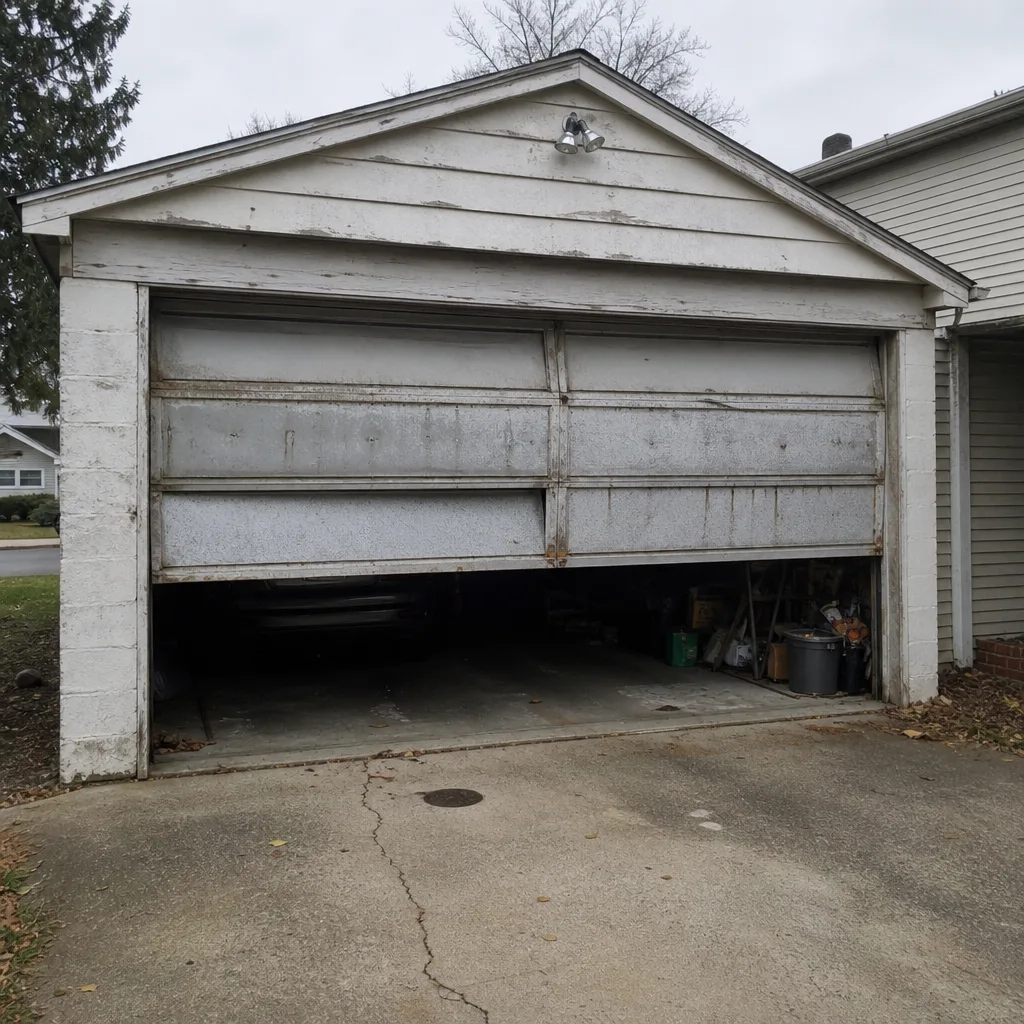
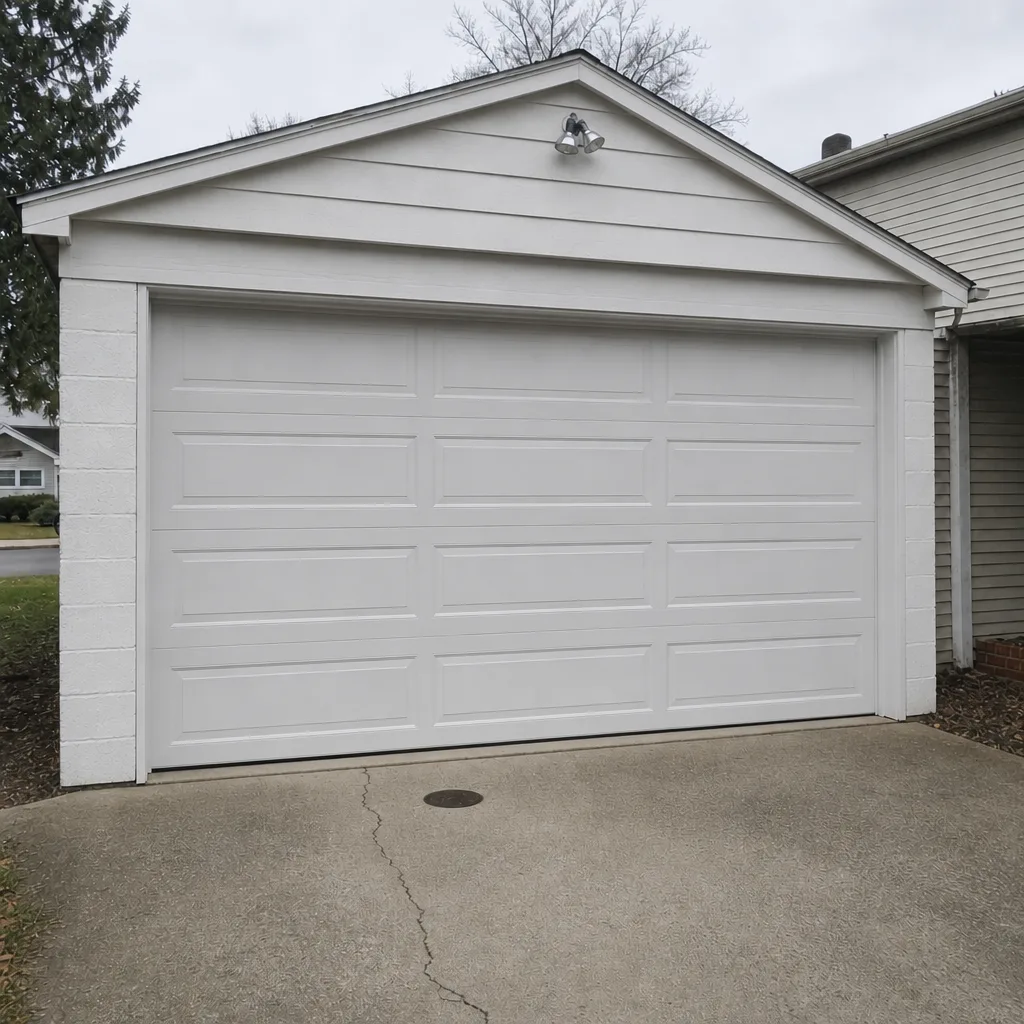
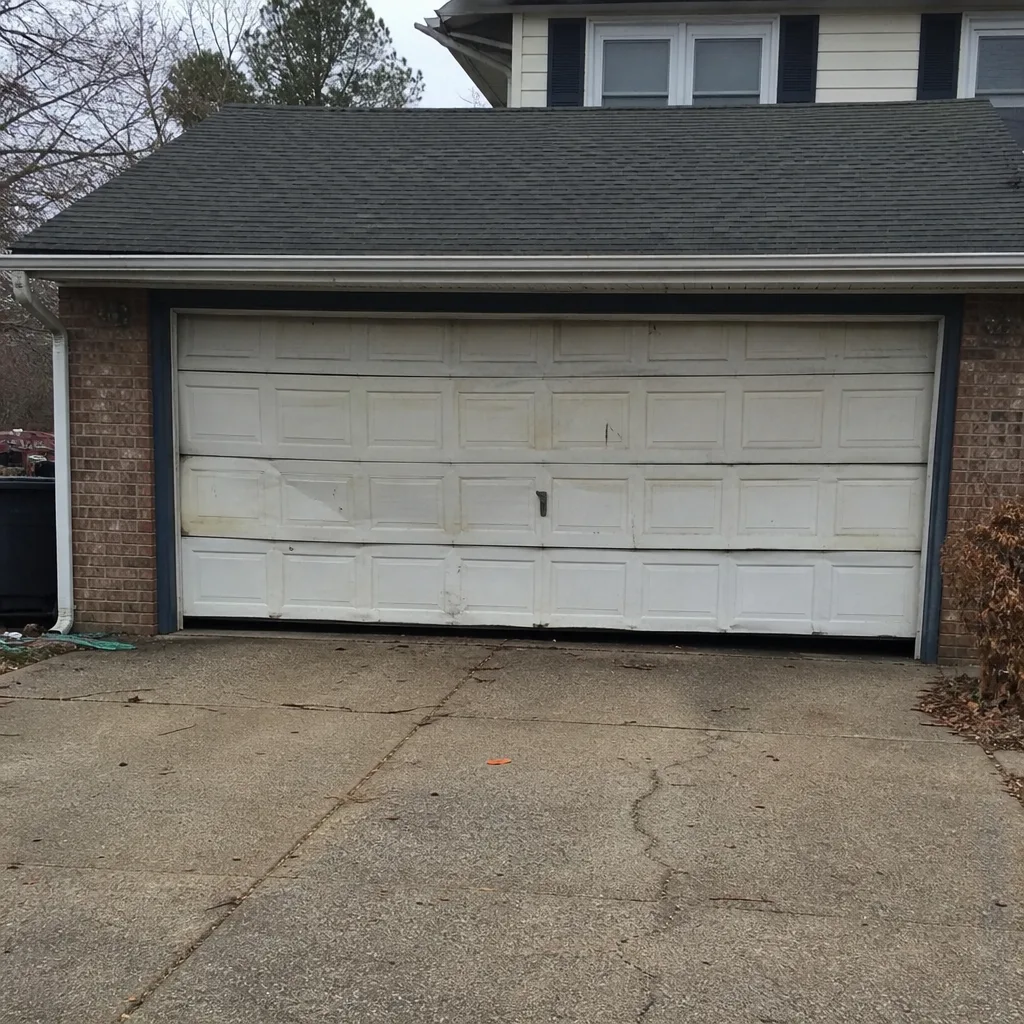
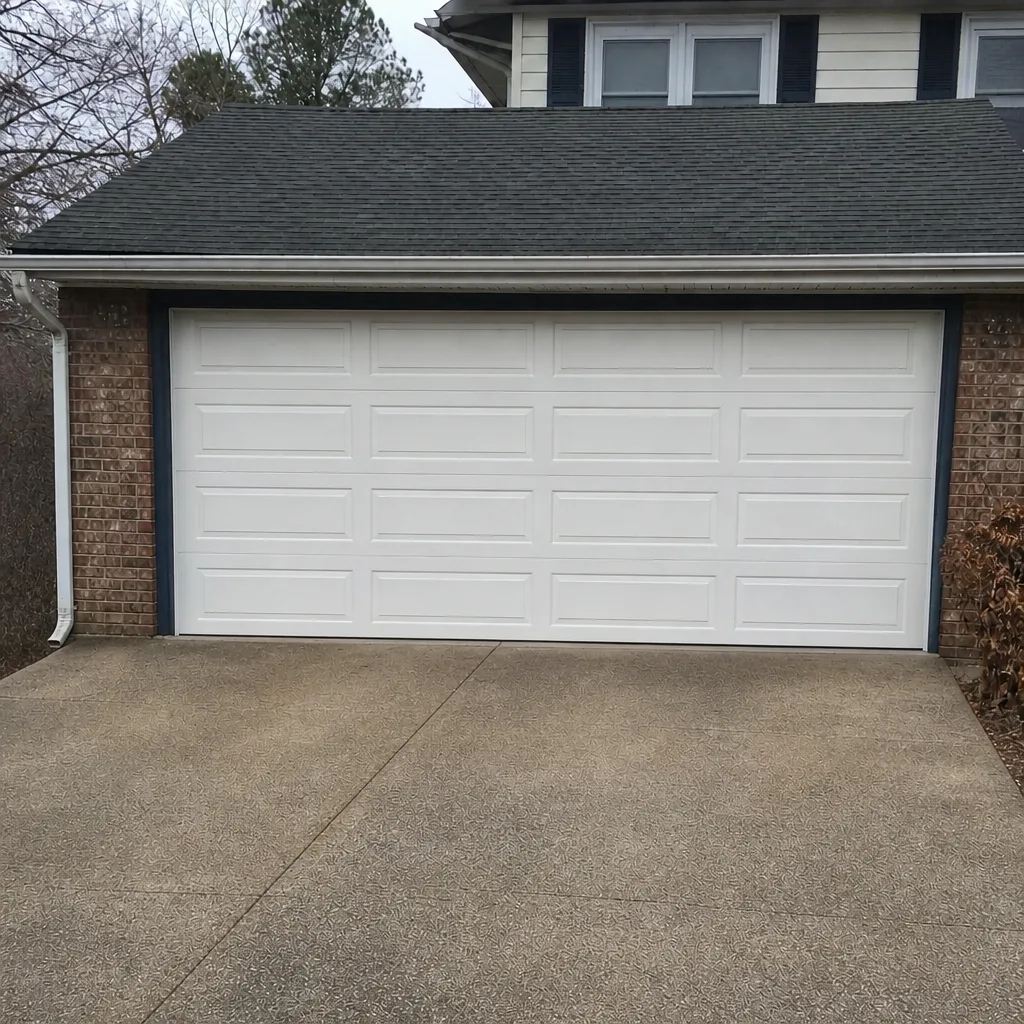
See the difference
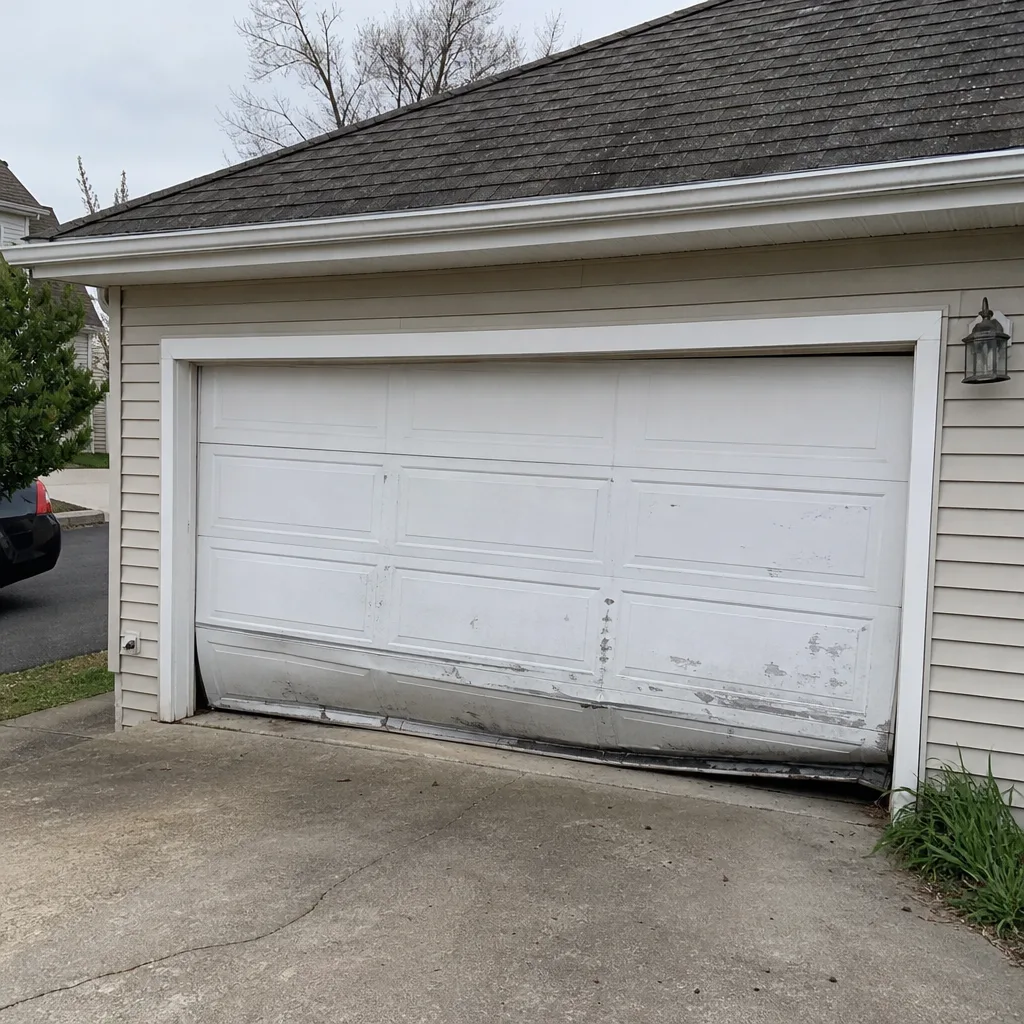 Before
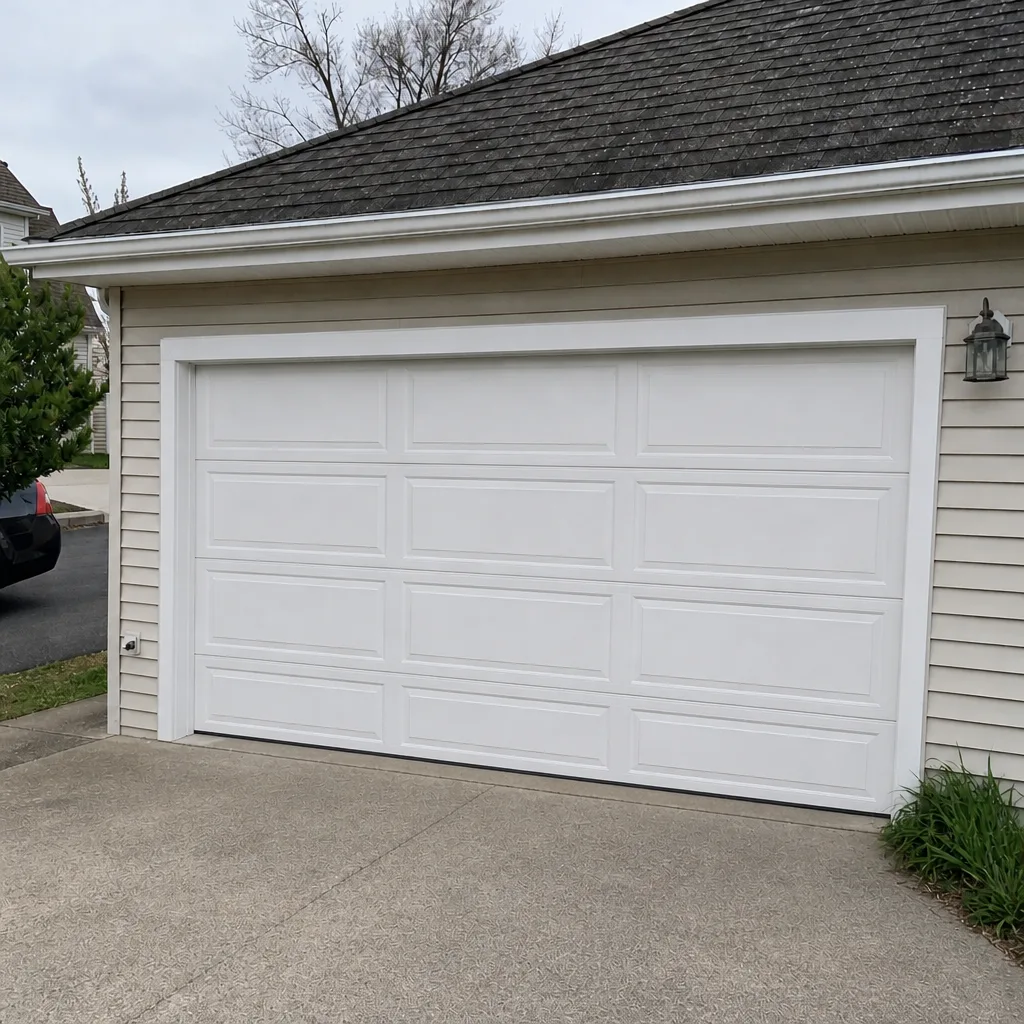 After
 Before
 After
 Before
 After
When to Call a Professional
Call for professional help when a spring has broken, when the door has come off its tracks, when a cable is dangling, or when the opener won’t respond after you’ve confirmed power is fine. Also call when the door is stuck in a position that leaves the garage open, when you can’t move it without effort that feels unsafe, or when the door has started closing erratically. These jobs involve high-tension springs and doors that weigh hundreds of pounds, and they’re not safe to troubleshoot without the right tools and training.
Garage Door Repair Woodbridge Pros offers free estimates in Woodbridge Township – call (866) 774-1757. Our technicians are licensed and insured as their state requires, our pricing is quoted and agreed before any work starts, and our team can diagnose the specific brand already installed in your garage – whether that’s a Clopay door, a Wayne Dalton door, or a LiftMaster or Chamberlain opener. If it’s a real emergency, we book you in as fast as we can. If it can wait a day, we’ll tell you so, because a stopped door doesn’t always mean an emergency.
Frequently Asked Questions
Pull the manual release cord hanging from the opener trolley, then lift the door by hand from the bottom section. The cord disengages the door from the opener so it moves freely. If you haven’t found the cord yet, do it now in daylight – not during a power outage.
Leave the door where it is and don’t try to force it. A partially open door with a broken spring can come down unevenly and is a real hazard. Keep people and pets away and call for spring repair. Attempting to close it by hand can cause the door to bind, bend the tracks, or fall.
Typical price ranges in this area run from about $180 to $340 for a single torsion or extension spring replacement, with a matched pair usually costing roughly twice that since both sides are habitually replaced together. The written estimate sets the final price. Call (866) 774-1757 for an exact quote – estimates are free.
Emergency service is part of what we offer, and a door stuck open is exactly the kind of call we prioritize. Call (866) 774-1757 and describe the situation – we’ll tell you whether it’s an immediate call or a scheduled visit. For a stuck-open door, faster usually means safer.
No. We quote and agree on price before any work starts. If the diagnosis turns up more than expected, we’ll explain the change and get your agreement before proceeding. The written estimate is what you pay, not an opening number.
Yes. The local professionals we connect you with are licensed and insured as their state requires. Our technicians have up to 14 years of experience and are trained on the major brands homeowners in Woodbridge Township already have installed – including LiftMaster, Chamberlain, Genie, Clopay, Amarr, Wayne Dalton, Craftsman, and Raynor.
The Bottom Line
Garage door emergencies in Woodbridge Township are far more manageable when you know what to do in the first ten minutes. Find and label your manual release cord. Understand that a broken spring means stop, not push. Know the difference between a power loss and an opener failure. Keep a backup battery, a keypad, and a manual lock in place so a dead opener never traps your car. And when a door is truly stuck or off its tracks, call for help – high-tension springs and heavy doors are no place for a guess. Prep now, and the next nor’easter won’t strand you.
If you’re not sure your garage is prepared, or you’ve already got a problem on your hands, we’re a phone call away. Garage Door Repair Woodbridge Pros offers free estimates in Woodbridge Township – call (866) 774-1757. We’ll walk you through what’s happening, what it will cost, and what to do next.
Written by the team at Garage Door Repair Woodbridge Pros.