Last updated November 23, 2026
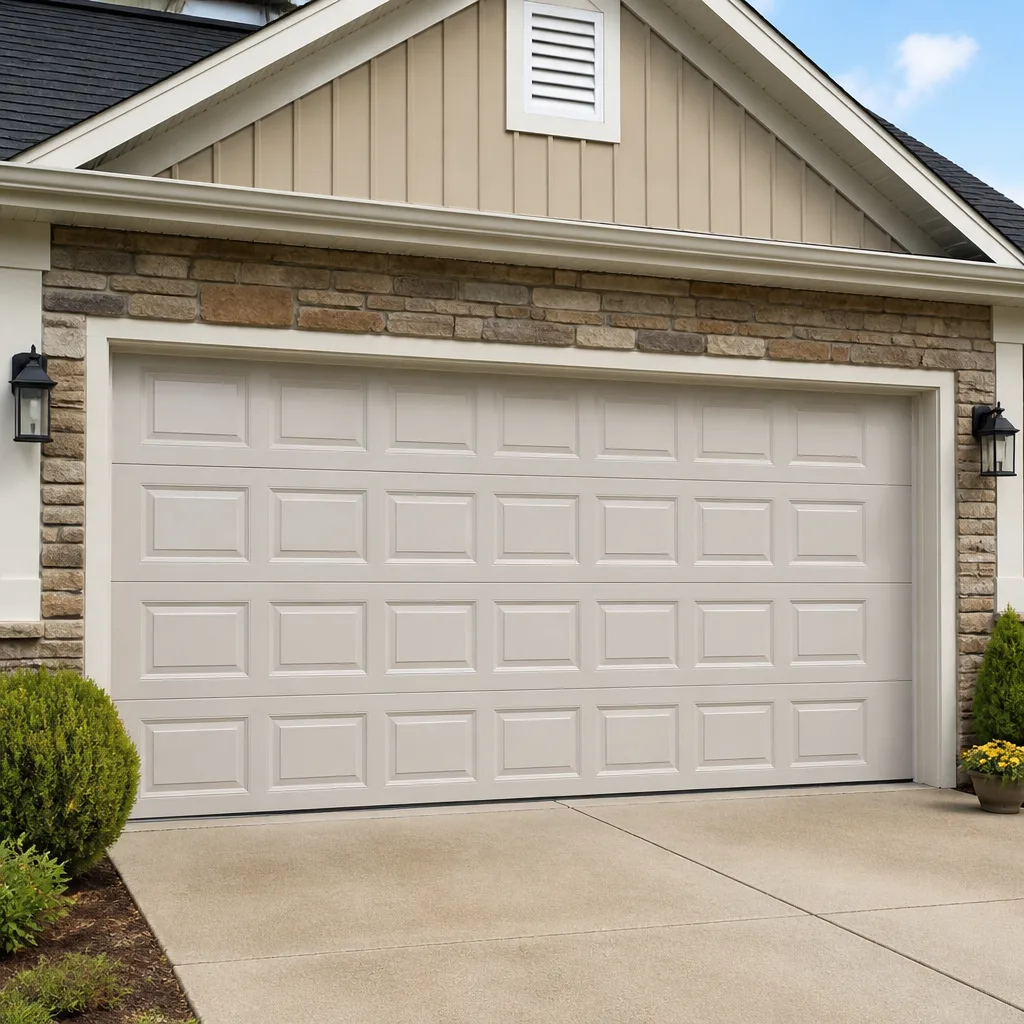 Raised-panel steel
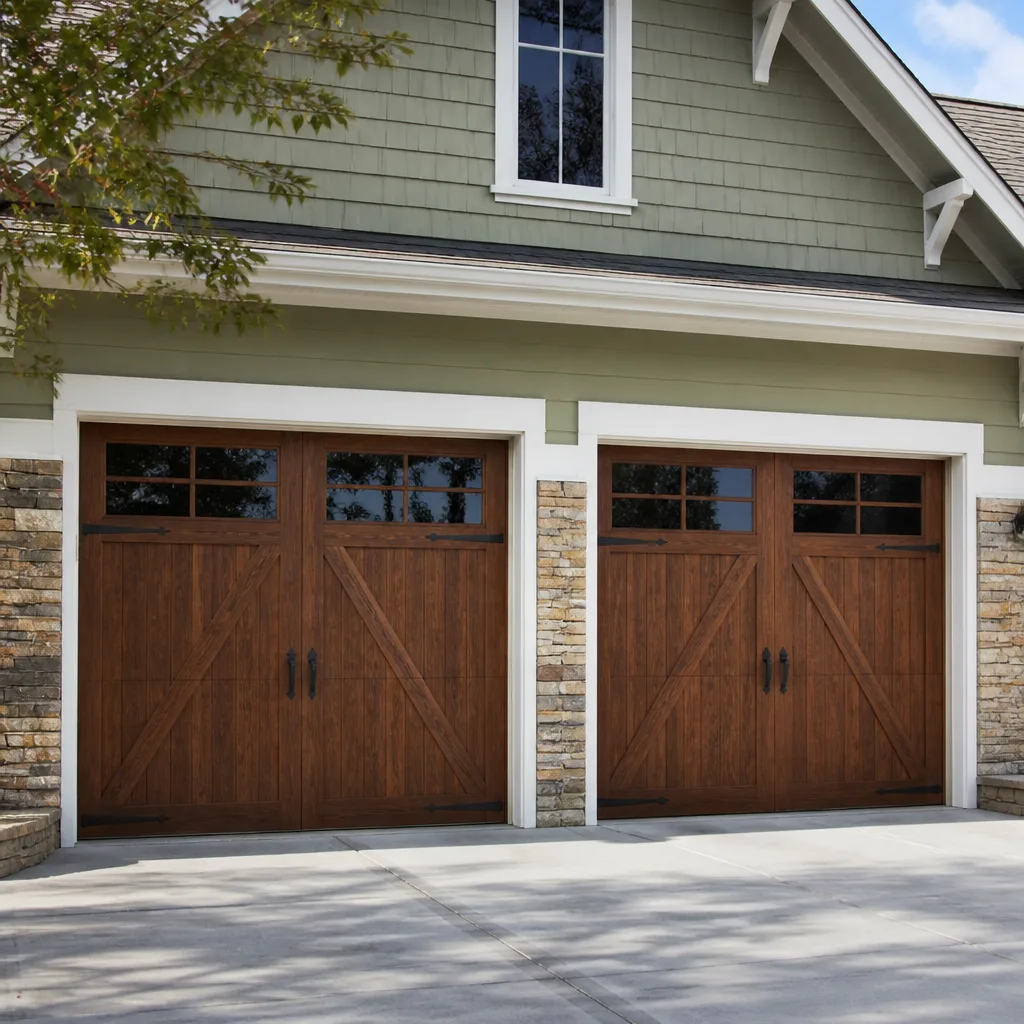 Carriage house
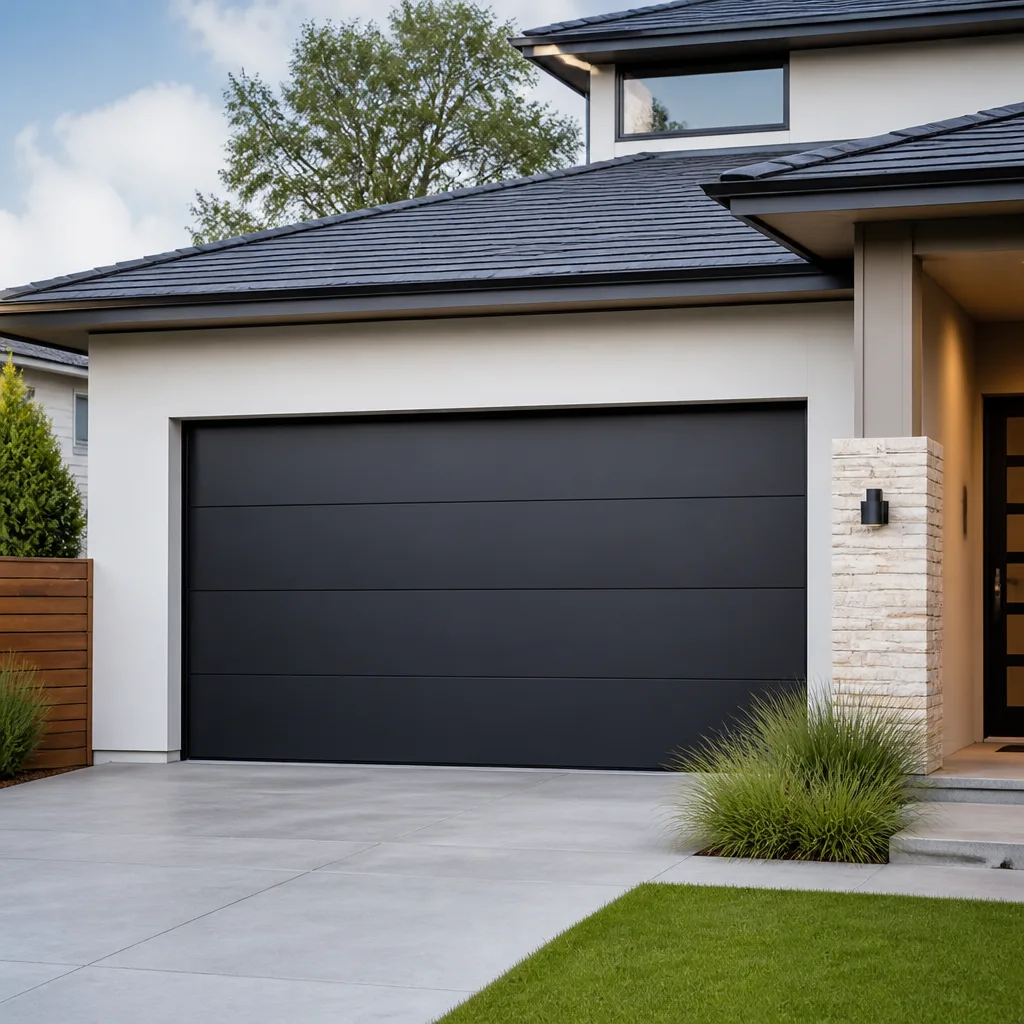 Modern flush
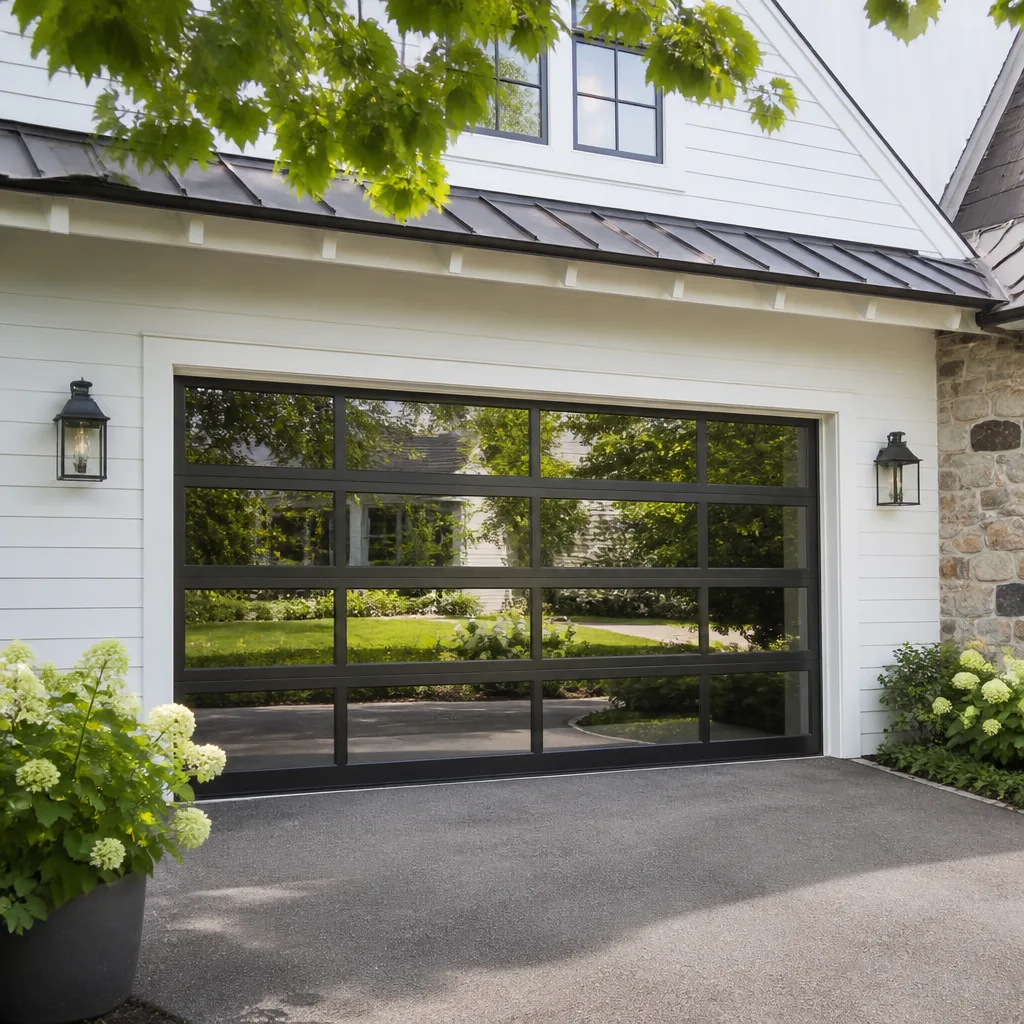 Full-view glass
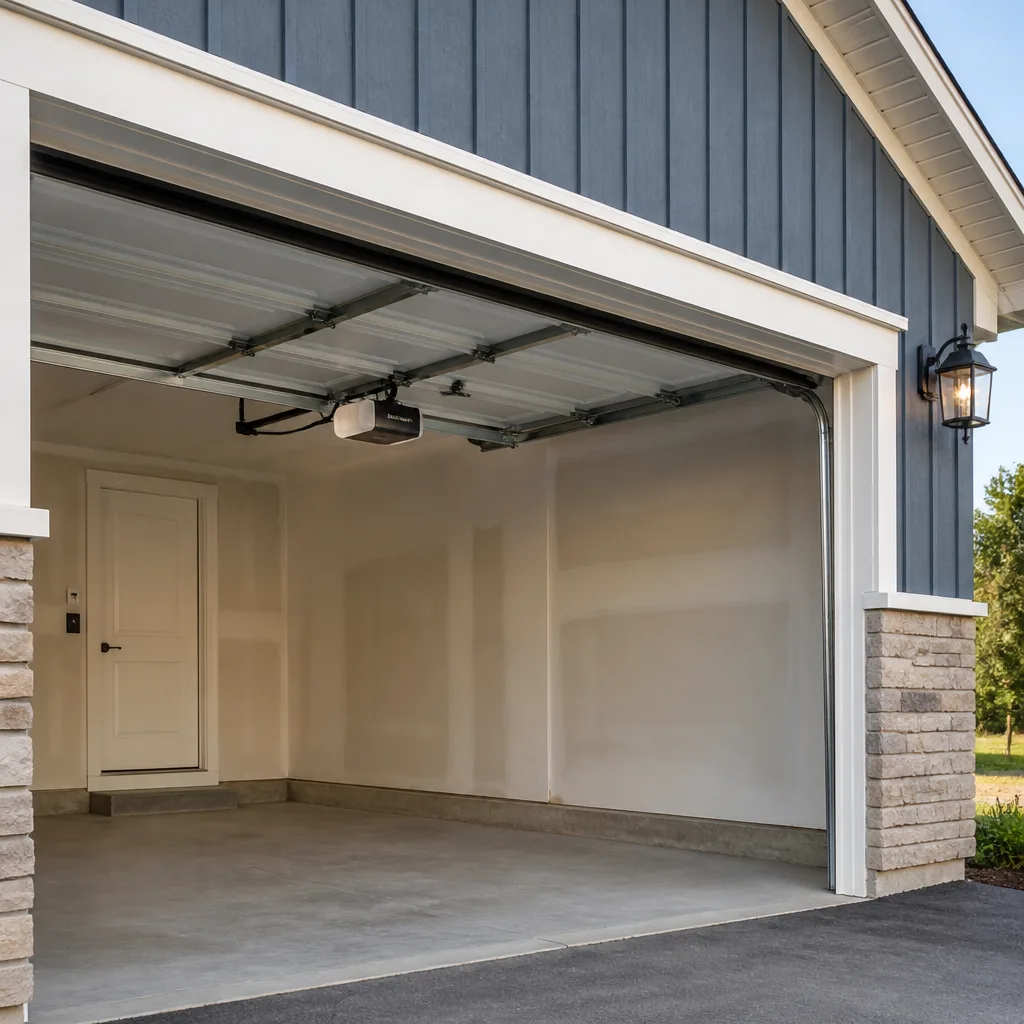 LiftMaster openers
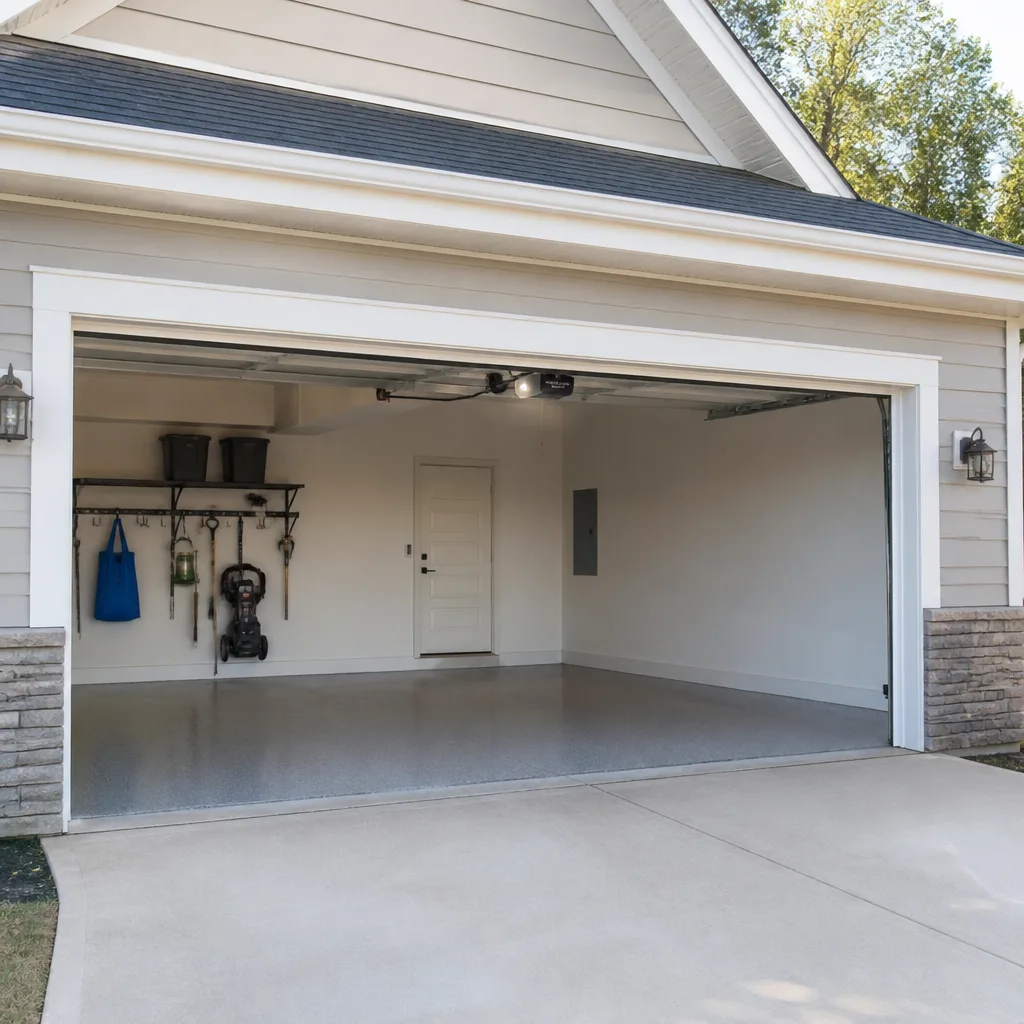 Chamberlain openers
Full 25-point door and opener safety check with every visit - springs, cables, rollers, tracks, and your LiftMaster or Chamberlain opener included
You get a price before we start. It does not change when the pro arrives.
Get your free estimateGarage Door Repair Troubleshooting in Woodbridge Township: Common Problems and How to Fix Them
The door that “just stopped working” overnight almost never stopped overnight. In our experience, there were at least three warning signs in the weeks before: a grind that came and went, a door that hesitated before reversing, a spring that looked a little more stretched than it used to. Most of us tune those out because the door still goes up and down. Then one morning it doesn’t. This guide maps the symptoms of a failing garage door to the actual system behind them, so you can tell whether you’re looking at a five-minute adjustment or a job that belongs in a trained technician’s hands. Everything here is written from Woodbridge Township, where our technicians work on doors and openers every day.
Quick Answer
Most garage door failures come down to five systems: springs, cables, tracks and rollers, the opener, or the safety sensors. You can usually identify which one is at fault before you touch anything by noting the symptom (won’t go up, crooked travel, grinding noise, door reverses immediately, opener dead) plus whether the door feels heavy or loose when you run it by hand. Sensor and limit-switch issues are genuinely safe to handle yourself. Spring and cable work is not, and it’s the category where emergency room visits come from. If your door won’t move at all, or you hear a loud bang and the door drops, stop using it and call a professional for garage door spring repair.
Styles & brands we work with
- Raised-panel steel
- Carriage house
- Modern flush
- Full-view glass
- LiftMaster openers
- Chamberlain openers
Table of Contents
- The Five Systems Behind Almost Every Garage Door Problem
- Symptom-to-System Mapping: What Your Door Is Telling You
- Why a Grind in January Means Something Different in July
- The 30-Second Disconnect Test: Mechanical or Electrical?
- The DIY Fixes That Are Actually Safe (And the Ones That Aren’t)
- Danger Signs That Mean Stop Using the Door
- The Decision Tree: Fix It, Book It, or Stop Using It
The Five Systems Behind Almost Every Garage Door Problem
A garage door looks simple from the driveway. Up, down, done. Behind that motion are five mechanical systems that have to work in sync, and when the door fails, one of them is almost always the culprit. Once you know which system fits your symptom, you know roughly what a repair involves, what parts are in play, and whether it’s a quick visit or a bigger job.
Here’s the map we use internally when a homeowner describes a problem over the phone.
- Springs do the actual lifting. Torsion springs mount above the door on a steel shaft. Extension springs run along the sides. Both hold stored energy that is dangerous to release by hand.
- Cables connect the springs to the bottom corners of the door. Frayed or slack cables usually mean something upstream has failed first.
- Tracks and rollers keep the door traveling in a straight line. Bent tracks, worn rollers, and loose brackets show up as crooked travel, popping, or a door that pulls away from the frame.
- The opener only moves what the springs have already balanced. A struggling opener is often a symptom, not the cause.
- Safety sensors and controls are the electronic gatekeepers. Small alignment issues here stop the whole system cold.
Notice the hierarchy. Springs lift, cables transfer, tracks guide, opener assists, sensors permit. A failed spring overloads the opener, a loose cable throws the door off balance, a bent track makes the door resist the opener, and a misaligned sensor stops the cycle entirely. In Woodbridge Township, we’ve walked into plenty of garages where a homeowner replaced an opener motor when the real problem was a tired spring.
What homeowners actually fix themselves is either a tuning issue (limit switch, sensor alignment, force adjustment) or nothing. Everything in the springs-and-cables category is where professional garage door repair belongs.
Symptom-to-System Mapping: What Your Door Is Telling You
Here’s the honest truth: the same symptom can point to two different systems, and the only way to be sure is to look at the door. This section is what to check first, not what to fix first.
Door won’t go up at all
- Loud bang earlier, door dead now: Broken torsion spring. Stop. Do not use the door.
- Motor hums, door doesn’t move: Failed opener gear, stripped trolley, or a down-limit switch set wrong. Opener-side issue.
- Motor silent, no lights: Power to the opener, a tripped breaker, or a dead control panel. Often electrical, not mechanical.
- Door moves two inches and reverses: Safety sensor problem or a force setting too low.
Door won’t close
- Motor runs, door comes down, reverses immediately: Sensor is blocked, misaligned, or one sensor has a dead indicator light.
- Door closes halfway and reverses: Force adjustment, track obstruction, or something under the door hitting the reversal threshold.
- Opener runs but door sits still: Broken spring, snapped cable, or the door is off its tracks.
Door goes up crooked
This one is almost always a cable problem, occasionally a bent track. A door that goes up unevenly is loading one side far more than the other. If you see a slack cable or the door visibly hangs at one corner, stop and call. An unbalanced door can drop.
Door is unusually loud
Grinding and popping in the middle of a cycle frequently means track or roller wear. Screeching on the opener rails can be dry hardware. A single gunshot-like snap followed by silence is a spring. The sound tells you where to look, but the sound alone doesn’t confirm the system.
Opener works, door feels heavy
That’s a balance issue. When the springs have lost tension, the opener is lifting the door almost entirely on motor power. This is the classic slow-motion failure pattern we see in Woodbridge Township garages: the opener runs hotter, the gears wear faster, and eventually the whole thing quits. Treat balance problems like a spring problem, because they usually are one.
For opener-side diagnoses specifically, our team handles garage door opener repair across the major brands and the specific failure patterns each one has. But before you commit to an opener call, do the disconnect test in a later section. It takes thirty seconds and can save you a service visit.
Why a Grind in January Means Something Different in July
Woodbridge Township sits in a climate with genuinely distinct seasons, and garage doors here respond to that rhythm. What sounds like a grinding door in February is not the same thing as what sounds like a grinding door in August. Cold contracts, heat expands, humidity stiffens, and the sound your door makes in each of those conditions tells us what’s probably wearing.
Winter: cold contraction and metal noise
On a January morning, metal parts shrink slightly. Rollers stiffen. Grease that flowed fine in October gets tacky. What you hear:
- A grinding or scraping beat during travel: Usually dry rollers or a stiffening hinge, not a failing spring. Cold-weather lubrication is the usual fix.
- A single loud pop on first lift: Often the door breaking free of a cold, slightly sticky track. Not catastrophic, but a signal the track needs attention.
- A sluggish opener: Cold hydraulic fluid in older operators, or a door that’s loading the motor more than it should. Check balance before blaming the opener.
Summer: humidity, swelling, and misalignment
By July, seasoned wood-door components can swell slightly, and metal can expand. What you hear and see:
- A door that closes and reverses by a hair: Often a track or threshold issue from expansion, not a true sensor failure.
- A low, steady hum before the door moves: The opener struggling against a stiffer door. Force settings sometimes need a nudge, but only after the balance is verified.
- Popping from one corner: A roller that’s riding wrong on an expanded track. Repeated pops mean a bent track.
Here’s the practical upshot. A grind in January is most often a lubrication and hardware complaint. A grind in July is more likely a fit issue: track alignment, roller wear, or a door that’s out of balance as parts expand. Same sound, different system, different fix. That’s why our technicians check the door by hand before they touch a motor. A Clopay door with a cold-track grind and a Wayne Dalton door with a summer alignment pop are two entirely different calls.
Seasonal patterns don’t change a hard rule: if the door is unusually heavy, stop operating it until someone qualified looks at the springs.
The 30-Second Disconnect Test: Mechanical or Electrical?
Before you spend money on a service call, diagnose the category yourself. This test tells you whether the problem is the door (mechanical) or the motor (electrical), and it takes less than a minute. It is safe to do. The disconnect pull on the opener trolley is designed for exactly this.
Here’s the procedure:
- Close the door and confirm nothing is in the way.
- Locate the manual release handle hanging from the opener trolley. It’s a pull cord, usually red, with a handle.
- Pull the release handle down and back. You’ll hear a click. The door is now disconnected from the opener.
- Lift the door by hand, slowly, about a foot. If it lifts easily and stays there, the door is balanced and the springs are doing their job. If it feels heavy, hard, or drops back down, the door has a balance problem, and that’s a mechanical issue.
- Reconnect the door by pulling the release handle again toward the opener, then operating the opener with the wall button.
What the result tells you:
- Door feels heavy or won’t stay up: Mechanical. Springs, cables, or balance. Do not keep testing. Call a technician.
- Door lifts and stays fine by hand, but opener won’t move it: Electrical or opener-side. The motor, control board, or a sensor/limit setting is the suspect.
- Door lifts by hand, opener runs but doesn’t engage: The trolley or release mechanism is the issue. Usually a repair, not a replacement.
That last one catches people out. A homeowner assumes a dead opener when the truth is a $20 trolley component. The disconnect test is how you find out before you commit to an expensive replacement.
The DIY Fixes That Are Actually Safe (And the Ones That Aren’t)
We’re not going to tell you to call a technician for everything. Some garage door adjustments are within reach for a careful homeowner with a step stool. Others are the reason garage door work shows up in emergency rooms. The line between the two categories is clear, and it isn’t about how handy you are.
Safe to do yourself
- Safety sensor realignment. If the door reverses immediately, check that both sensors (those small lenses near the floor on each side of the door) point at each other. Most have an indicator light that goes solid when aligned. Nudge the bracket until it does.
- Sensor lens cleaning. Dust, cobwebs, and road spray on the lens cause phantom reversals. A soft cloth fixes it.
- Opener limit switch adjustment. If the door stops short of the floor or hits the ground and pushes, the limit switches inside the opener head adjust with a screwdriver. Follow the opener manufacturer’s instructions for your specific model.
- Force adjustment (carefully). Same idea. Force sets how hard the opener pushes before reversing. Adjusting it to mask a balance problem is a bad idea. Adjusting it slightly to correct a seasonal quirk on a balanced door is fine.
- Track obstruction removal. If you can see something small in the track (a piece of gravel, a toy), remove it with the door fully closed and the opener unplugged.
- Lubrication. A garage door lubricant on the rollers, hinges, and springs (spray it on, don’t touch the springs) quiets a lot of winter noise.
- Opener light bulb and battery replacement. Straightforward.
Not safe. Ever.
- Spring replacement or adjustment. A torsion spring under tension stores enough energy to break bones. Extension springs can fly across a garage if released wrong. This is what trained technicians do, with the right winding bars and safety process.
- Cable tensioning or replacement. Same category. Cables carry the spring’s stored energy and can snap.
- Track replacement or realignment. The track carries the full weight of the door. Misalignment under load is a crush hazard.
- Bottom bracket loosening or roller removal at the bottom corners. The bottom brackets hold the cable and are under constant tension.
Here’s the test we use when a homeowner asks us whether they can try something. Two questions: does the part hold stored energy, and can it move violently if handled wrong? If the answer to either is yes, it’s a professional job. Springs, cables, and bottom brackets fail both tests.
One more. Raising a jammed door by hand when it’s off its tracks can drop the door without warning. If the door is visibly off the track, don’t muscle it back. Wait for a technician.
Danger Signs That Mean Stop Using the Door
Some problems you can live with until the service call. Others mean the door stays down until someone qualified has been in the garage. Here’s the list we give every homeowner when we’re on the phone.
Stop using the door if:
- You heard a loud bang and the door is now dead. That’s almost always a broken spring, and lifting the door risks injury and further damage.
- The door is visibly crooked in the frame, or you can see one side hanging lower than the other.
- A cable is visibly slack, coiled, or hanging loose. A slack cable means the spring on that side has likely failed.
- A gap has appeared between the bottom of the door and the floor, or between the door panels. This can mean structural failure.
- The door feels unusually heavy when you lift it by hand (from the disconnect test).
- You see a broken roller or a bent track that’s visibly deforming the door frame.
- The door is off its tracks.
Any of those scenarios is exactly the case our emergency garage door service is built for. We’re a specialist company on purpose. We do only garage doors and openers, and spring failures are a core part of the work. When we walk into a garage in Woodbridge Township and see a slack cable, we’re not improvising. Our technicians have up to 14 years of experience with these systems and know the failure patterns for the major brands: LiftMaster, Chamberlain, Genie, Clopay, Amarr, Wayne Dalton, Craftsman, and Raynor.
The Decision Tree: Fix It, Book It, or Stop Using It
Here’s the practical summary of everything above, boiled down to a decision path. Follow the branch that fits your situation.
Step 1: Run the disconnect test. Pull the manual release and try the door by hand.
Step 2: Choose your branch.
- Door feels heavy, won’t stay up, or drops back: Stop using the door. Book a service call. Do not try to adjust anything.
- Door lifts normally by hand, but opener doesn’t respond: Check the opener. Then check the sensor lights. Try the wall button vs. the remote. If it still doesn’t respond, book a service call.
- Door lifts normally, but a sensor is dirty or misaligned: Clean the sensor lenses. Realign the brackets. Reconnect the door and test. If the reversal stops, you’ve fixed it yourself.
- Door lifts normally, but the opener stops short of the floor: Give the limit adjustment a try using the opener manual. If the door then goes down, you’ve fixed it yourself.
- Door lifts normally, but is unusually loud: Lubricate the moving metal parts (rollers, hinges, spring spray only). Run the door. If the noise persists, book a service call to check for track or roller wear.
- You see slack cables, bent tracks, or an off-track door: Stop using the door. Book a service call.
One important caveat on the “book a service call” branches. If the door is off its tracks, don’t leave it open overnight if you can help it. A door in the open position on a compromised track can drop. If you can’t close it safely, call us and we’ll talk you through options.
Common Mistakes to Avoid
- Assuming the opener is the problem. When a door won’t move, the motor gets blamed about half the time. Do the disconnect test first. A balanced door that the opener won’t lift still points to the door, not the motor, most of the time.
- Force-adjusting the opener to compensate for a heavy door. Turning the force dial up masks a balance problem. The gears wear faster, the motor runs hotter, and the door gets a year closer to a hard failure. In Woodbridge Township winters, that failure tends to happen on the coldest morning of the year.
- Lubricating the spring with the wrong product. Light oil attracts grit. Use a purpose-made garage door lubricant, and spray the spring, don’t wipe it with a rag. Never put your hand in the coil.
- Tightening every bolt you see. The bolts that hold track brackets can be overtightened and crack the bracket. The fasteners on the bottom section hold the cable under load. Tighten what the manufacturer’s manual says to tighten, and leave the rest alone.
- Leaving a sensor misalignment alone “because it usually works.” An intermittently triggered sensor is a real safety concern, especially with kids or pets around. It’s a ten-minute fix.
- Replacing a door or opener because of a symptom. A “dead” door is often a broken spring. A “dead” opener is sometimes a $20 trolley. Get the diagnosis before you replace.
- Calling a general handyman for spring work. Spring and cable work looks similar to wrench-turning. It isn’t. Look for a specialist whose focus is garage doors, not a general contractor who also does doors, and ask directly whether spring work is a core part of what they do.
See the difference
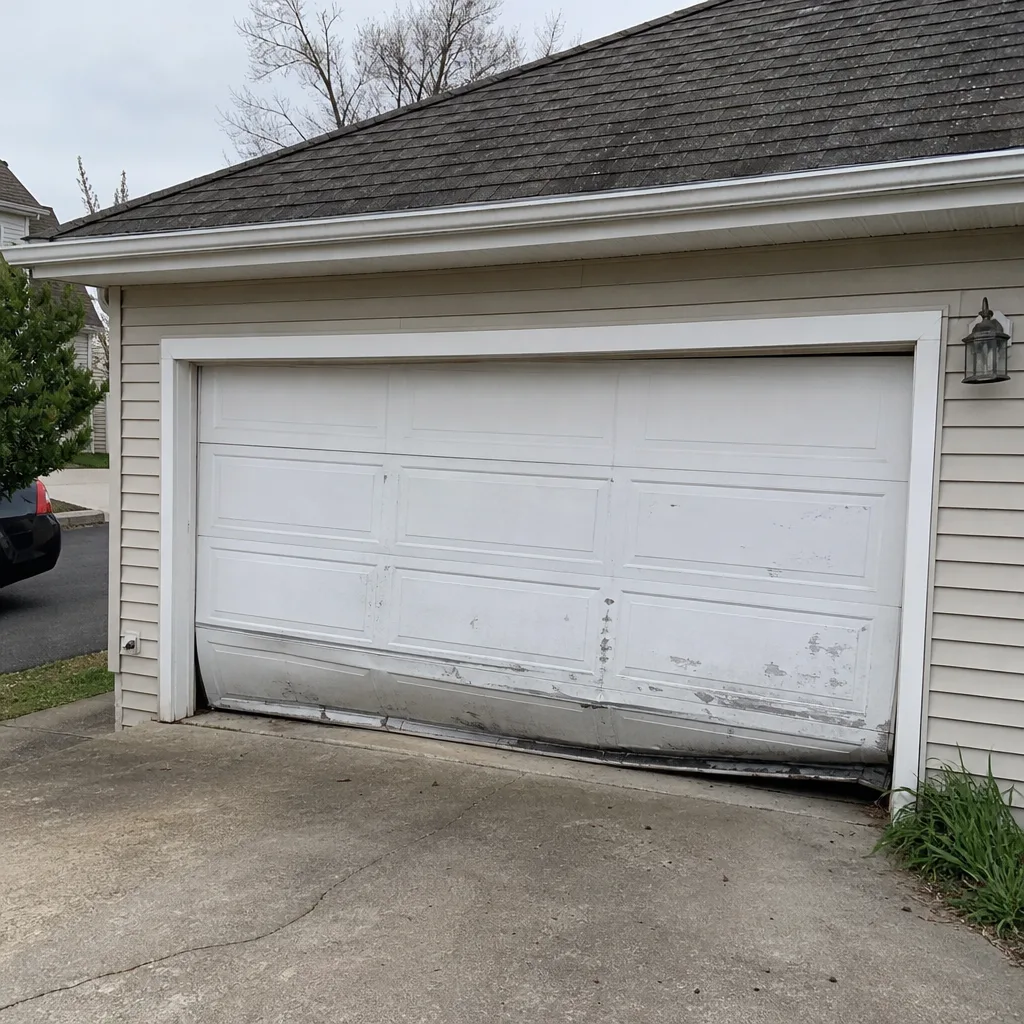 Before
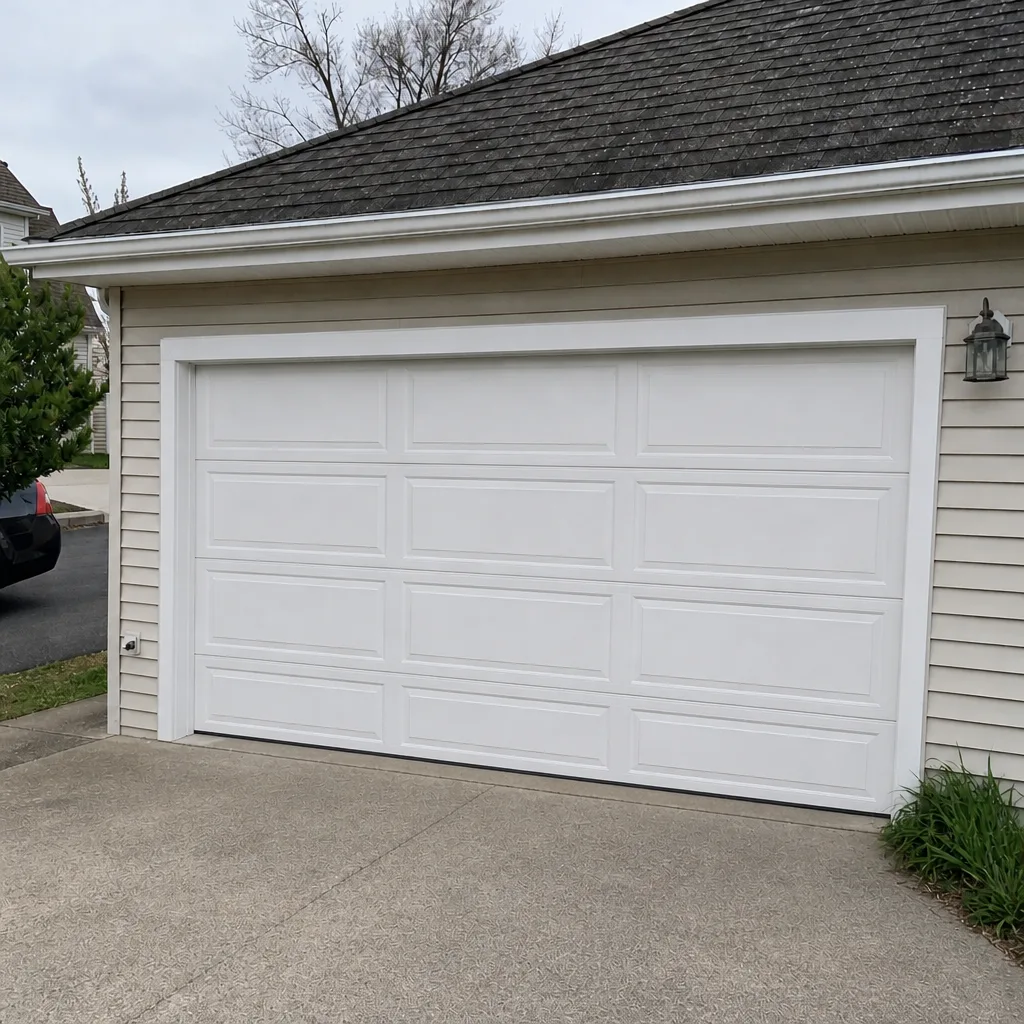 After
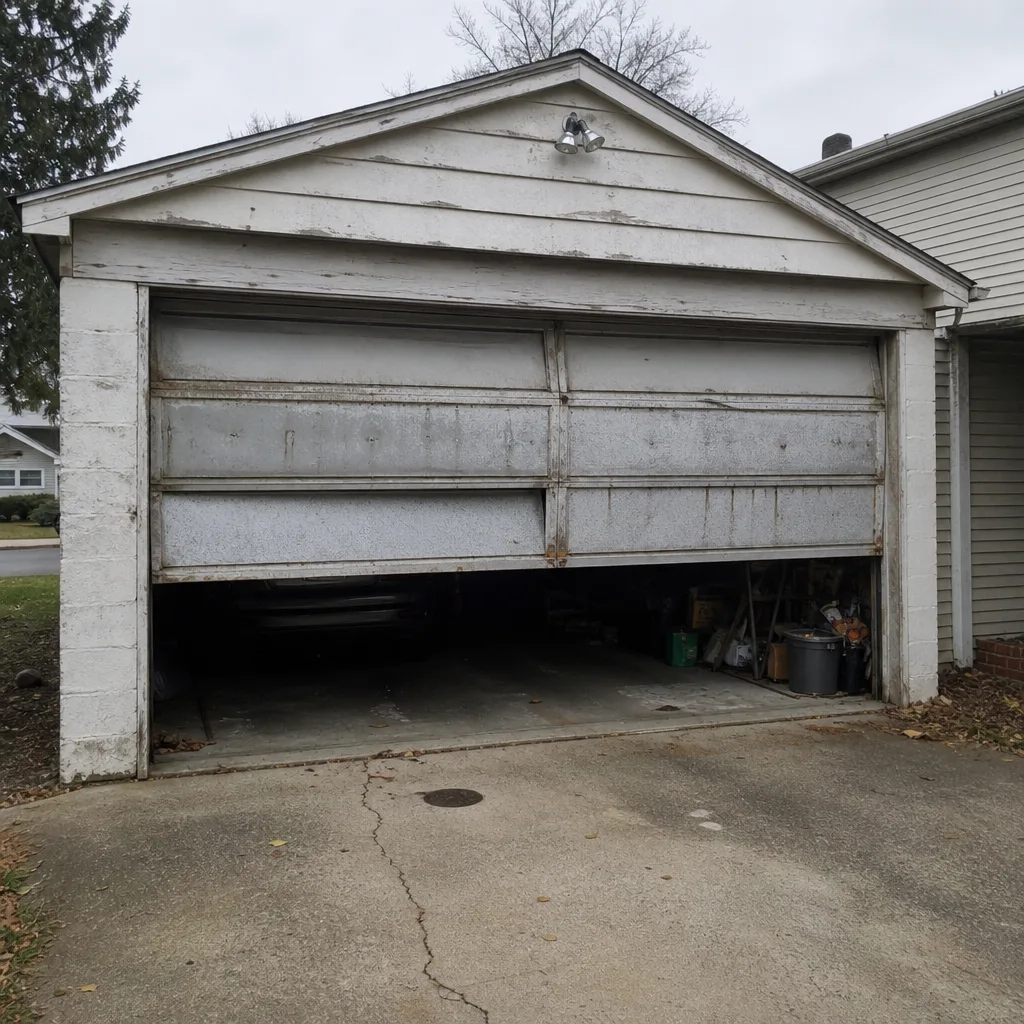 Before
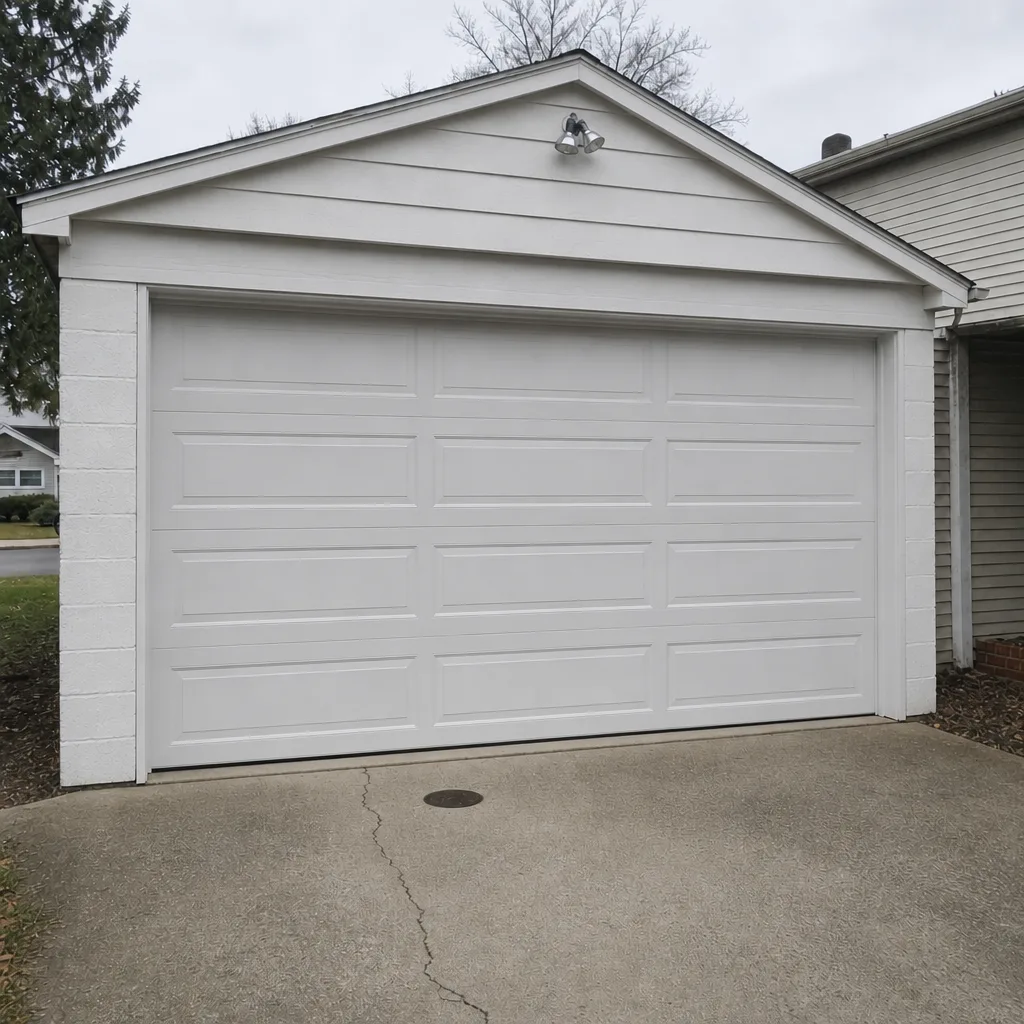 After
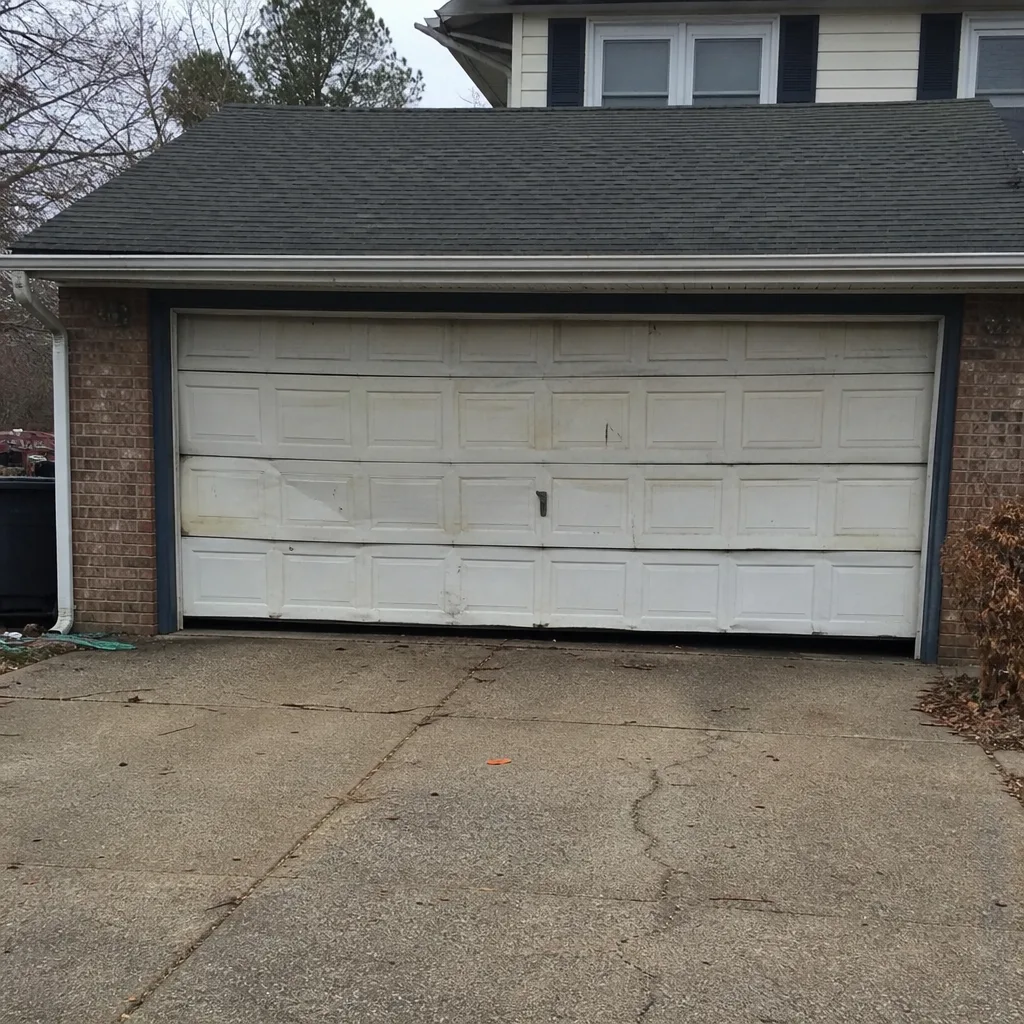 Before
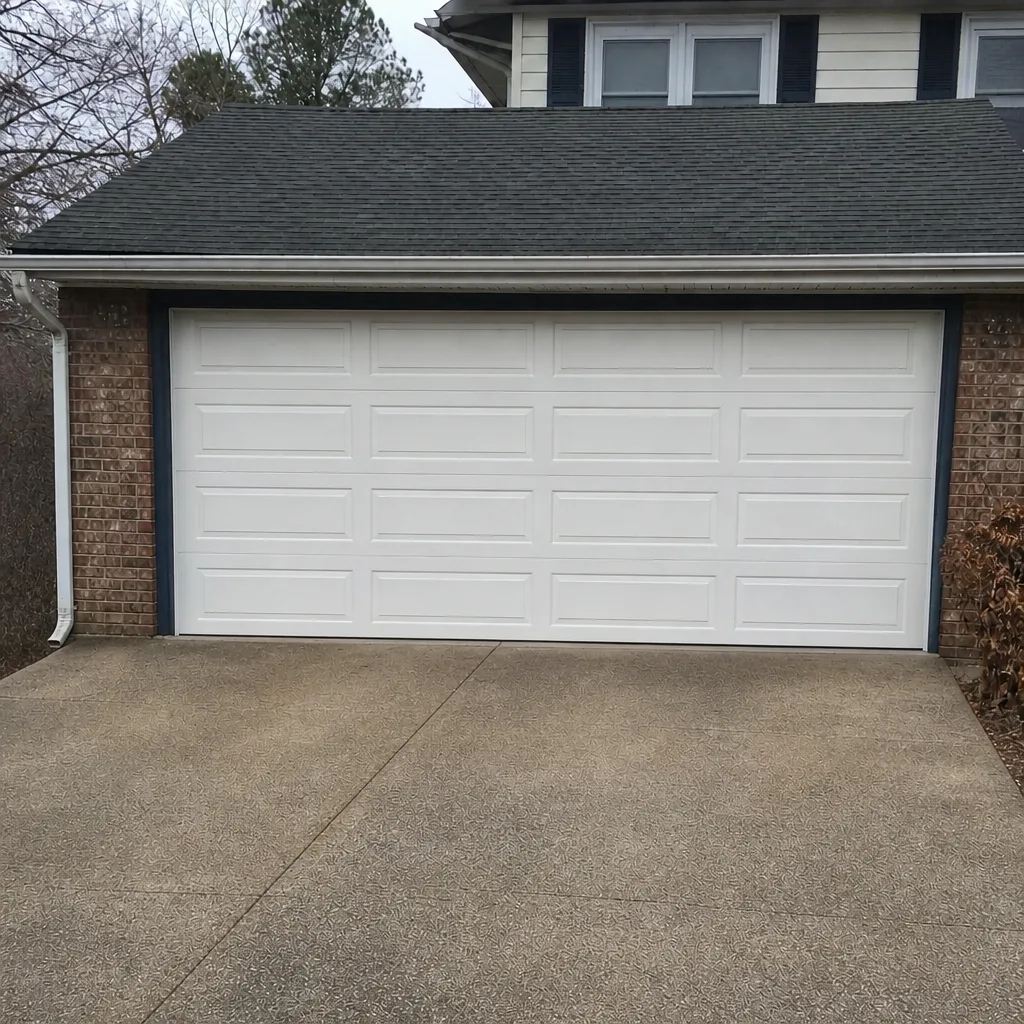 After
When to Call a Professional
Call us when the door is unusually heavy, when you’ve heard a bang and the door is now dead, when a cable is slack or hanging, when the door is crooked or off its tracks, or when the opener hums and the door doesn’t move. Call us when you’ve already replaced the opener battery, cleaned the sensors, and the door still won’t cycle reliably. Call us when the sound your door makes is new and you don’t know where it’s coming from. Call us before you buy a new door, too, because sometimes the door is fine and the opener isn’t.
Garage Door Repair Woodbridge Pros offers free estimates in Woodbridge Township. We work on the brand already in your garage, we do spring and cable work as a core service rather than an occasional job, and we can also install a new Clopay or Amarr door if a repair no longer makes sense. Call (866) 774-1757 and we’ll help you sort it out.
Frequently Asked Questions
Spring repair pricing depends on the type (torsion vs. extension), the door size, and whether one or both springs are replaced. We quote every job before work starts, so you’ll know the number before we turn a wrench. Call (866) 774-1757 for a free estimate.
Yes, the failure categories are consistent across brands, but the specific parts and tolerances differ. A LiftMaster opener and a Chamberlain unit share components, while a Wayne Dalton and a Clopay door have different spring configurations. That’s why our technicians are factory-trained on eight of the leading brands. The diagnosis starts with the system, not the nameplate.
Yes. Sensor realignment and cleaning are within reach for a careful homeowner. The sensors are low-voltage, and you’re just nudging a bracket until the indicator light goes solid. Just make sure the door is closed and the opener is unplugged while you work on the brackets.
Cold contracts metal and thickens lubricant, which produces more grinding and scraping. Heat expands metal and can cause alignment pop. Same door, different seasonal signal. In Woodbridge Township, this is a year-round conversation with homeowners because our seasons swing widely. If the change in sound persists for more than a few cycles, get it checked.
Yes. We work on the equipment in your garage regardless of who installed it. Many of the doors and openers in Woodbridge Township were sold by national retailers, and their parts are standard. We just need the brand and model to bring the right components.
No. Torsion and extension springs store enormous energy, and a failed spring under tension can cause serious injury. This is the category of repair where a licensed, trained professional isn’t just the better choice, it’s the right one. We do this work safely with the proper tools and process. Call (866) 774-1757.
The Bottom Line
Most garage door problems are diagnosable before you spend a dollar. Do the 30-second disconnect test first. If the door is heavy by hand, the problem is mechanical. If the door is light but the opener doesn’t respond, the problem is on the motor or sensor side. Sensor cleaning, sensor alignment, and limit adjustment are safe to try. Springs, cables, and track work always belong with a specialist. Knowing the difference is what keeps you out of an emergency room and out of a garage with a door that won’t close. In Woodbridge Township, we see all five failure categories every week, and the diagnosis almost always comes down to which system lost tension first.
Contact us today. Garage Door Repair Woodbridge Pros offers free estimates and works on the brand already in your garage. Call (866) 774-1757 to talk through what your door is doing, and we’ll tell you honestly whether it’s a DIY adjustment or a service call. Same-day availability is often possible for urgent failures.
Written by the team at Garage Door Repair Woodbridge Pros.