Last updated November 23, 2026
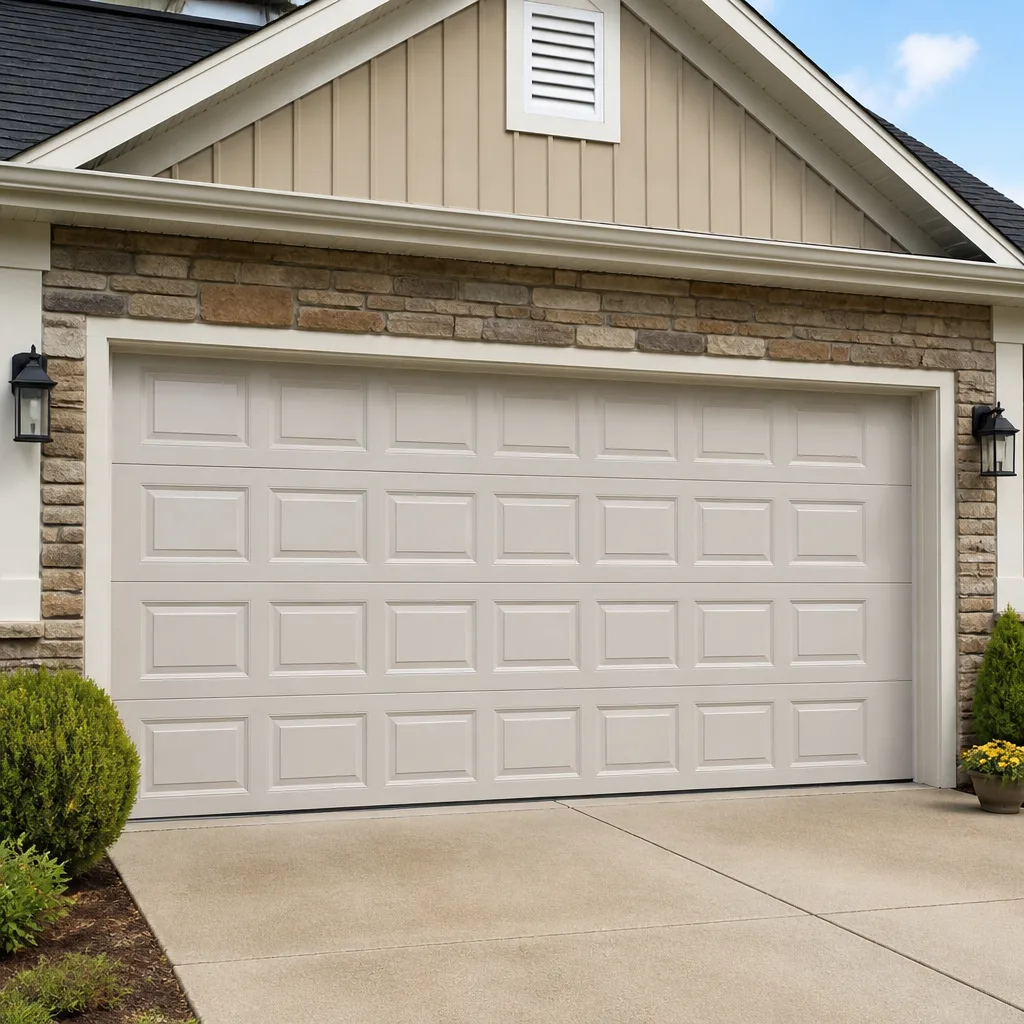 Raised-panel steel
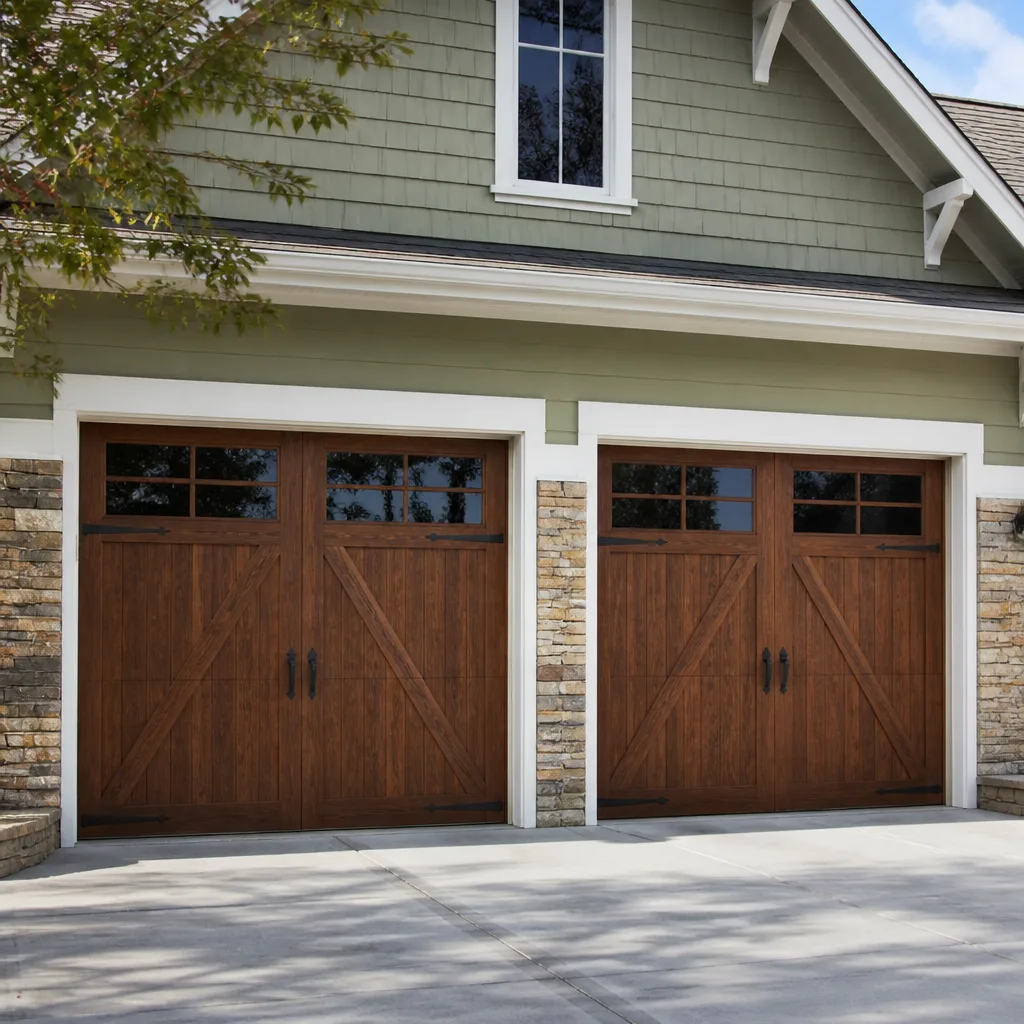 Carriage house
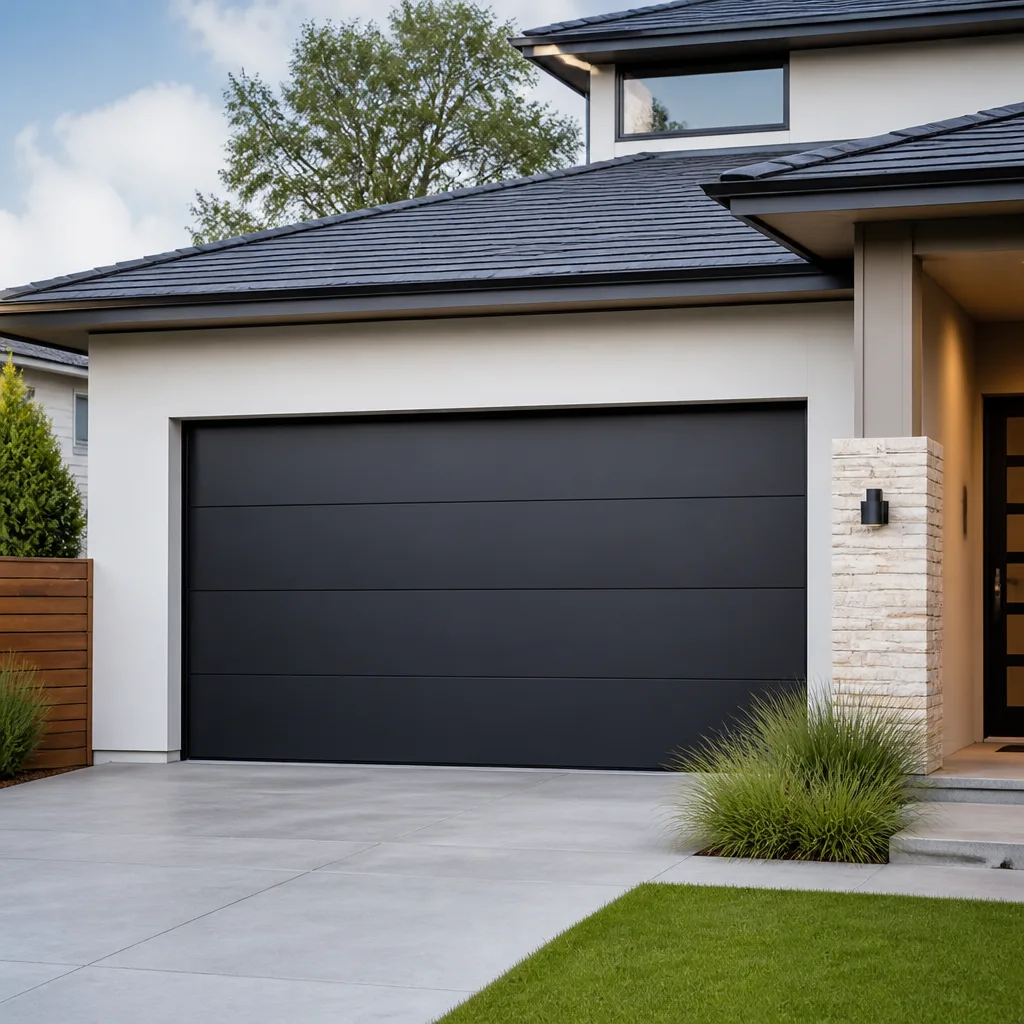 Modern flush
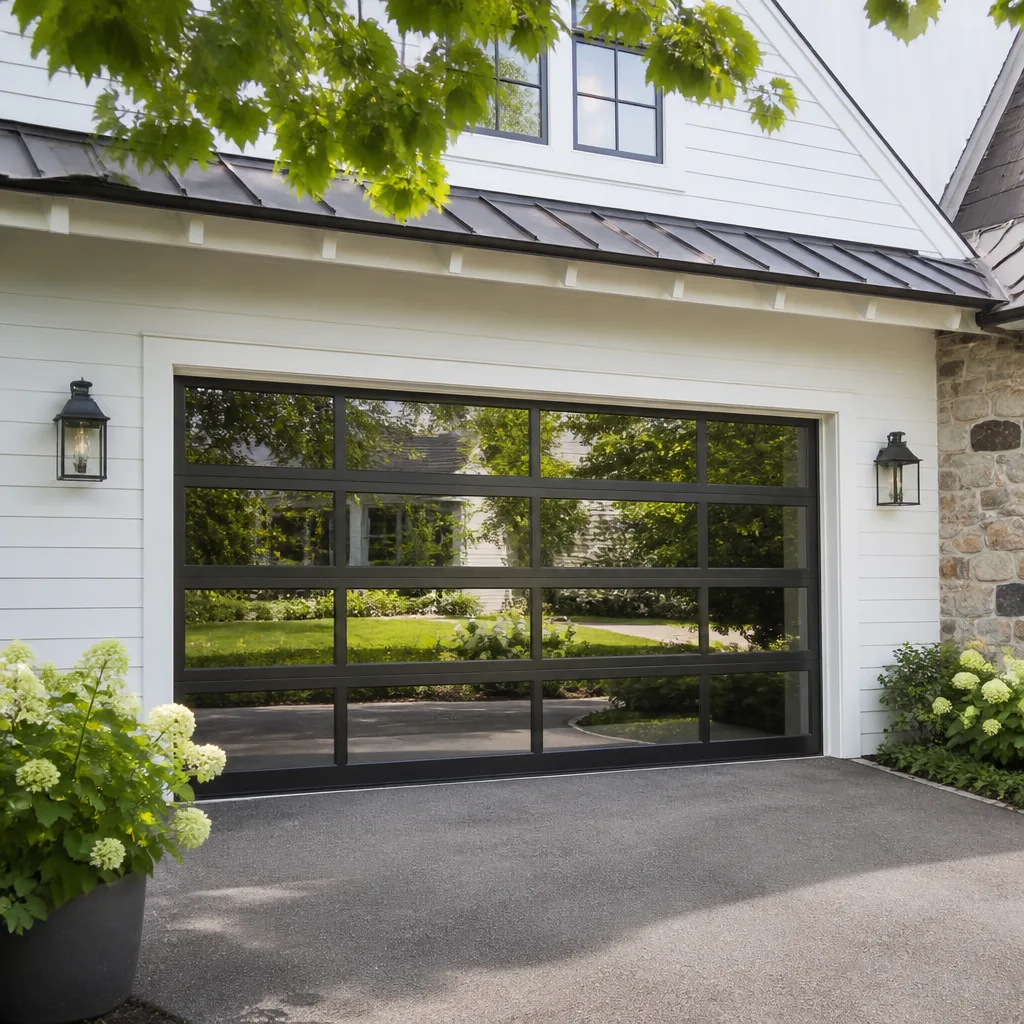 Full-view glass
 LiftMaster openers
 Chamberlain openers
Full 25-point door and opener safety check with every visit - springs, cables, rollers, tracks, and your LiftMaster or Chamberlain opener included
You get a price before we start. It does not change when the pro arrives.
Get your free estimateGarage Door Warning Signs: A Woodbridge Township Homeowner’s Reference Guide
A garage door that shudders on the way up and one that jerks on the way up are not the same problem. In our experience, the first usually points to a cable or tension issue, while the second almost always traces back to track alignment or a failing roller. The words you use when you call a technician decide how accurately the problem gets diagnosed before anyone arrives. Woodbridge Township homeowners rely on their garage door as the primary way in and out, so downtime hurts more here than in places where the front door does the heavy lifting. This guide maps the sounds, movements, and visual cues to their likely causes and tells you which ones mean stop using the door today.
Quick Answer
Garage door warning signs fall into three groups: sounds (grinding, squealing, popping, clunking), movements (shuddering, jerking, uneven travel, reversing), and visuals (sagging panels, cable slack, spring separation, gaps at the floor). Any grinding, popping, or visible spring or cable damage means stop using the door and call a professional. Squealing, mild vibration, and minor track noise are usually safe to watch for a few weeks while you book a service visit.
Styles & brands we work with
- Raised-panel steel
- Carriage house
- Modern flush
- Full-view glass
- LiftMaster openers
- Chamberlain openers
Table of Contents
- What Each Sound Tells You
- How to Read the Visual Symptoms
- Which Signs Mean Stop Now vs. Watch and Wait
- Opener Problem or Door Problem? The Diagnostic Order
- Warning Signs Specific to Woodbridge Township Garages
- How to Describe the Problem When You Call
- Seasonal Patterns Worth Knowing
- Common Mistakes to Avoid
What Each Sound Tells You
Sound is the earliest warning a garage door gives. The trick is that each noise comes from a different component, and the components have very different danger profiles. Here’s how we break them down when a homeowner describes a sound over the phone.
- Grinding: Metal meeting metal. Usually a worn roller, a dry hinge, or a cable rubbing where it shouldn’t. Grinding that comes and goes is a maintenance item; grinding that’s constant and loud means the door has moved out of alignment and you should garage door repair before it damages the track.
- Squealing: Almost always a roller or hinge that’s lost lubrication. It’s annoying but rarely urgent. If the squeal started after a cold snap, the door’s hardware has contracted and dried out, which is common in Woodbridge Township winters.
- Popping: The most serious sound on this list. A pop usually means a torsion spring has snapped or a cable is about to let go. The pop you hear is the stored tension releasing into the door’s frame. Stop using the door immediately.
- Clunking: Loose hardware, a broken hinge, or a roller that’s jumped its track. Clunking gets worse over time and can drop a panel onto your car, so it’s a book-this-week sound, not a wait-and-see.
- Rattling: Loose bolts on the hinges or a door that’s vibrating in its track. Not dangerous on its own, but it accelerates wear on everything else, so it deserves a tune-up.
The pattern to remember: the higher the pitch, the less urgent the noise. Squeals and rattles are maintenance. Pops and clunks are calls.
How to Read the Visual Symptoms
Most homeowners look at the door from the driveway and see a rectangle. Stand inside the garage with the door closed and look again. Here’s what to look for, described the way a technician would describe it to a colleague.
- Asymmetrical gaps at the floor: If one corner of the door sits higher than the other by more than a finger width, the door is racked. This means one side’s cable or track is out of adjustment, and it will drag the whole mechanism out of true if you keep running it.
- Panel bowing: A section that curves inward or outward, even slightly, is a structural problem. It usually follows a hit from a car or a door that’s been operated with a broken spring. Bowed panels can’t be straightened safely; they need replacement.
- Cable slack: The cables run along both sides from the bottom corners up to the drum. On a closed door, they should be taut. A sagging or looped cable is a live hazard and often signals a broken spring.
- Spring separation: Look at the torsion bar above the door (the horizontal shaft) or the extension springs along the sides. If you see a visible gap in a wound coil, the spring has broken. Do not touch it.
- Broken hinges or loose brackets: Hairline cracks in hinge leaves, or brackets that move when you press them, mean the door’s structural connections are failing.
- Off-track rollers: With the door partly open, look at the rollers in their tracks. Any roller sitting outside the track channel is a stop-and-call situation.
A door that passes this visual check and sounds normal is usually fine. A door with two or more symptoms needs a professional look even if it still operates.
Which Signs Mean Stop Now vs. Watch and Wait
The question we hear most is: can I keep using it? Here’s the honest answer for each warning sign, grouped by urgency. This is the section to screenshot for your own reference.
Stop using the door immediately
- Any popping sound followed by a door that won’t lift, or lifts only on one side.
- Visible spring separation or a door that won’t stay up when you lift it by hand.
- A cable that’s slack, hanging, or has come off its drum.
- A door off its tracks, even partially.
- A door that drops faster than it should when closing, or slams rather than settles.
Safe to monitor for 30 days
- Occasional squealing or rattling that stops once the door is moving.
- Slight vibration you can feel through the floor but not hear.
- A door that reverses when it hits an object, but otherwise operates normally.
- Minor cosmetic dents without panel bowing.
- A remote that needs a harder press but still works.
Any sign on the first list is a safety issue, not a convenience one. Garage doors carry hundreds of pounds on tension, and a failed spring or cable can cause serious injury. That’s why our technicians treat spring work as a dedicated service with the right tools, and why we tell homeowners never to attempt it themselves. If you’re unsure which list a symptom belongs on, call and describe it. We’d rather talk you out of an unnecessary visit than have you run a door that shouldn’t be run.
Opener Problem or Door Problem? The Diagnostic Order
When the door doesn’t respond to the remote, most people blame the opener. Half the time, it’s the door. Here’s the sequence we walk through, and you can follow the same order before you call for garage door opener repair.
- Check the wall control. If the wall button works but the remote doesn’t, you have an opener signal problem, not a door problem. If neither works, move to step two.
- Listen for the opener. Press the wall button and stand near the motor. If you hear the motor run but the door doesn’t move, the opener is fine and the problem is in the door or its drive mechanism. If the opener is silent, the fault is electrical or in the opener’s logic board.
- Pull the emergency release. With the door disconnected from the opener, lift it by hand. If it’s heavy or binds, the issue is in the door springs, tracks, or rollers. If it lifts easily, the problem is with the opener or its drive.
- Check the safety sensors. If the door closes a few inches and reverses, the photo-eye sensors at the bottom are misaligned or blocked. A quick wipe of the lens and a realignment fixes most of these.
- Note the behavior. Flashing lights, beeping from the motor, or a remote that works only up close all point to specific opener faults we can diagnose from your description.
Because we work on the brand already in your garage, we know the failure patterns of older Craftsman units and the smart-home-compatible LiftMaster and Chamberlain systems. That matters when the fault is subtle, like a myQ connection that drops whenever the weather turns.
Warning Signs Specific to Woodbridge Township Garages
Woodbridge Township homes have some garage configurations you don’t see as often elsewhere, and the warning signs show up in specific ways because of them.
Attached garages with limited headroom
Many of the older homes here have garages tucked under bedrooms or beside the kitchen, with a low ceiling and a short torsion bar. Two things happen in this setup. First, the torsion spring can’t carry as much tension, so springs fail earlier and more often snap rather than winding down gently. Second, when a door binds, the limited headroom means the door panel can hit the ceiling track and buckle. If you hear a hollow crack when the door is fully open, get it looked at before it closes.
Two-car doors on older slabs
A wide, single two-car door has more weight and more leverage than two singles, and the concrete slab it sits on has often settled or cracked over the years. Look for a door that dips on one side as it closes, or where the bottom seal compresses hard against the floor on one corner and floats on the other. That’s usually the slab, not the door, but it means the door’s travel limit and track alignment need adjustment to account for the uneven floor.
Doors facing the street
Many Woodbridge Township garages face directly onto the street or a shared driveway. That exposure means the door takes more wind loading than a recessed door, and the panels and brackets at the top of the door work harder. If you notice a panel bowing after a windy stretch, have it checked before it spreads. Our technicians have up to 14 years of experience with these configurations, including Clopay and Amarr doors installed when these homes were built.
How to Describe the Problem When You Call
A good description saves time and often saves a trip. When you call for garage door spring repair or anything else, here’s what to have ready. You don’t need to diagnose it; you just need to describe it.
- Where the sound comes from. Overhead (torsion spring), to the sides (extension springs or tracks), or the middle of the door (hinges or the opener drive).
- When it happens. Going up, coming down, both, or only at the last foot of travel.
- Whether the door is level. Stand inside and look at the gap at the floor on both sides.
- What you see on the cables and springs. Slack, separation, rust, or nothing unusual.
- The brand on the opener and the door, if visible. Genie, LiftMaster, Wayne Dalton, Clopay, and the rest all have different service quirks.
With that information, we can usually tell you whether it’s urgent or schedulable before we arrive. For anything that doesn’t need same-day attention, we can often give you a rough estimate over the phone and book the visit.
Seasonal Patterns Worth Knowing
Garage doors don’t fail randomly. In our experience, they fail when the weather changes, and Woodbridge Township gives us a lot of change. Here’s the seasonal picture.
Late fall and early winter
Cold contracts metal and stiffens lubrication. Squealing and stiff operation show up first, then the harsher sounds follow. This is the season for a tune-up and a check of the spring tension before the real cold hits.
Hard freezes
Woodbridge Township gets its share of hard freezes. A frozen bottom seal can pull the door off its track, and a door that’s been operating with a stretched spring will finally snap when the tension drops in the cold. If your door feels sluggish on the coldest mornings but fine by afternoon, the spring is probably carrying less tension than it should.
Spring thaw and wind season
As the frost comes out of the ground, garage slabs shift, and doors that sat level all winter can suddenly show a gap at one corner. Add the spring wind, and this is the season for track adjustments and a check of the panel fasteners.
Summer heat
Heat expands the door panels and the tracks. A door that fits perfectly in April can bind in August, especially a two-car door on a south-facing side. If your door runs a little rougher in the hottest weeks, it’s not your imagination.
Common Mistakes to Avoid
- Ignoring the first sound. The squeal you hear in October becomes the pop you hear in January. A tune-up now costs far less than a spring replacement then.
- Running the door with a visibly broken spring. A door with one broken spring in a pair is a door held up by half its support. The other spring is likely the same age and won’t last much longer, which is why we usually quote a pair.
- Blaming the opener for a door problem. Replacing a motor that’s fine is a waste of money. Follow the diagnostic sequence in step order before you assume.
- Using a general handyman for spring work. High-tension springs are a specialist job. If the person you hire doesn’t offer spring repair as a dedicated service, find someone who does.
- Lubricating the tracks. Track grease attracts grit and accelerates wear. Lubricate the rollers and hinges; leave the tracks clean.
- Pushing a remote harder or repeatedly. When the remote fades, it’s usually the battery, the code, or the operator’s antenna. If you live on a narrow lot with a garage that faces a neighboring wall, signal reflection is common in Woodbridge Township, and we can reposition the antenna.
- Letting a door that reverses shut itself resume as normal. A door that reverses for no reason is telling you the safety system is working, but something is triggering it. Find out what before you disable the feature.
See the difference
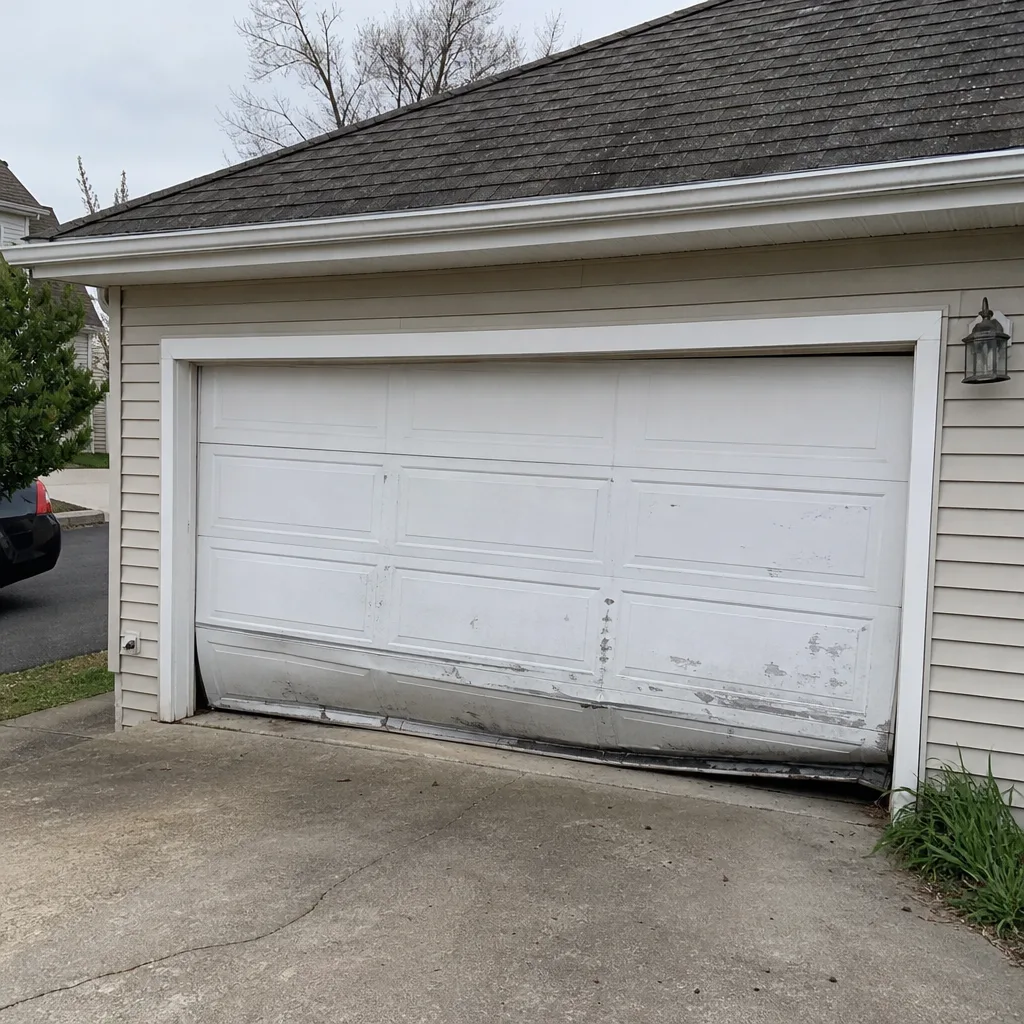 Before
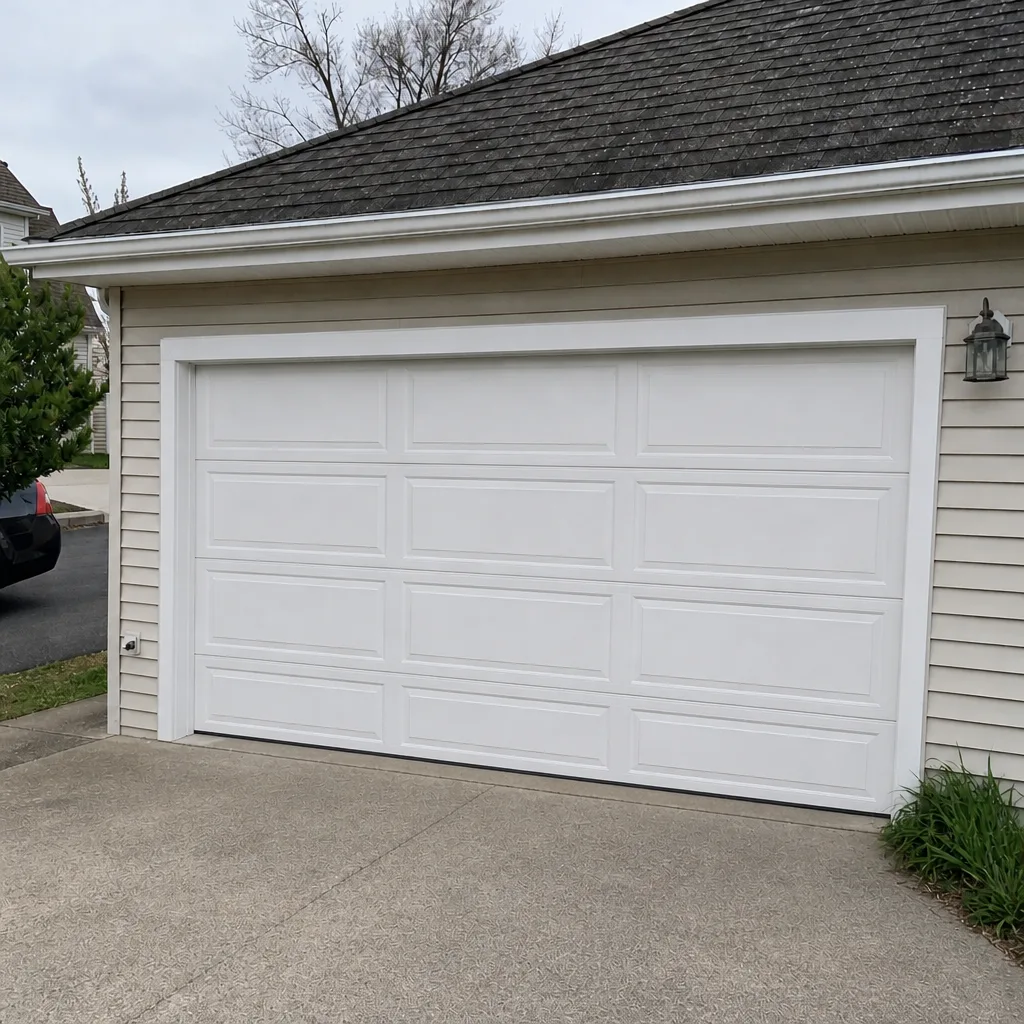 After
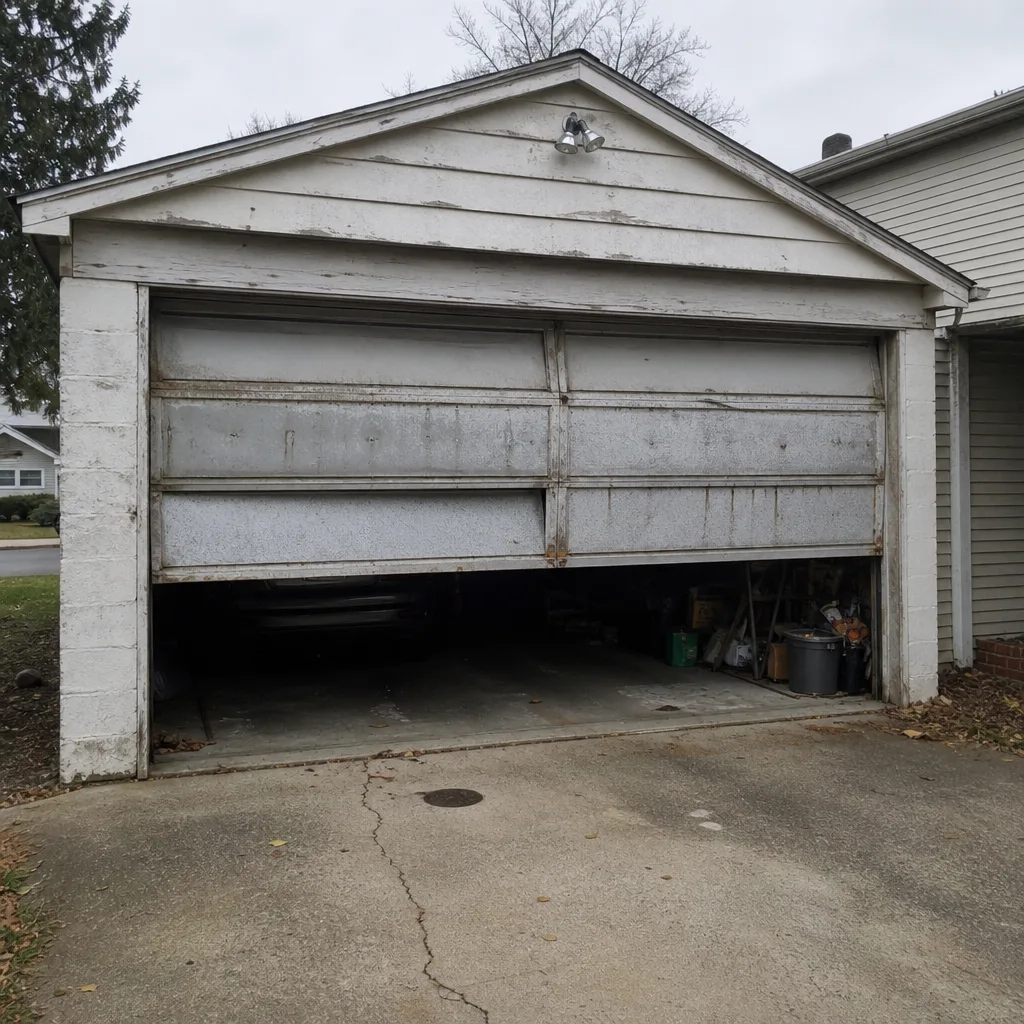 Before
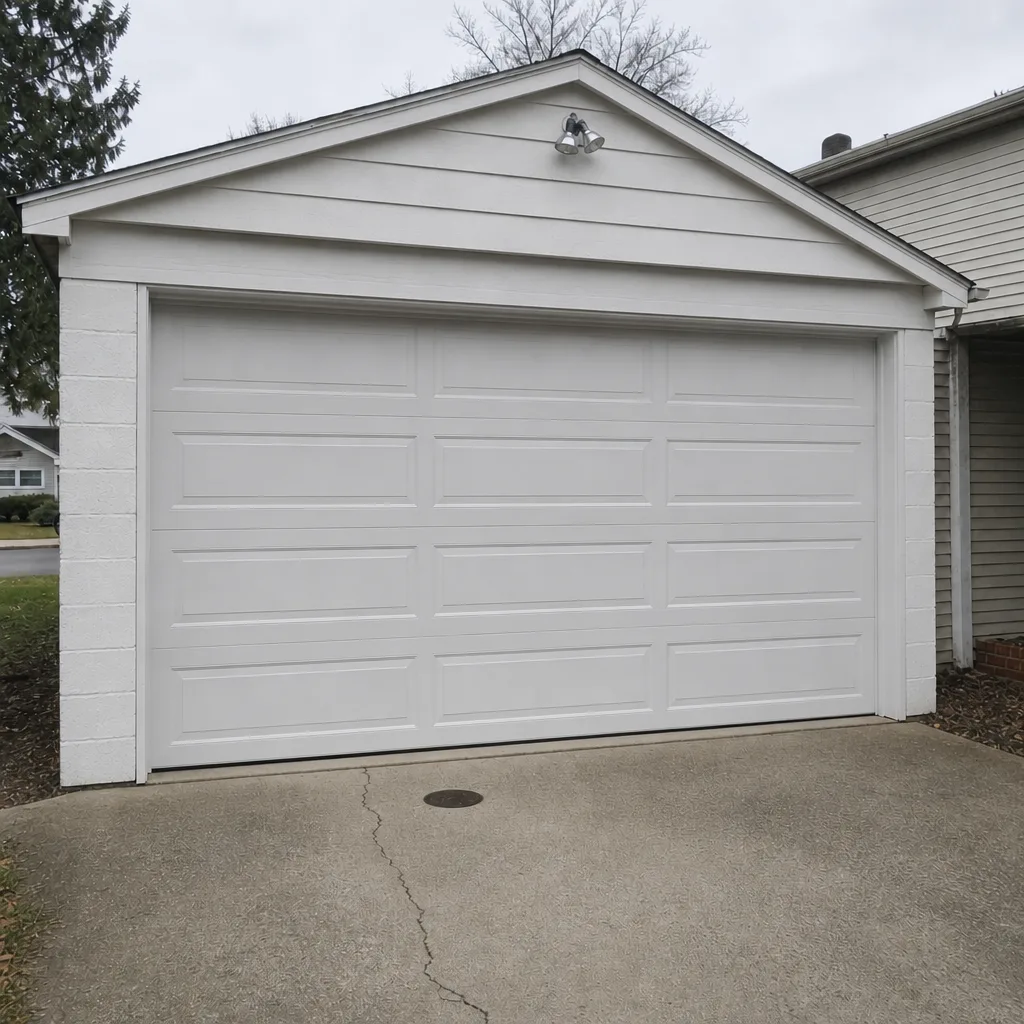 After
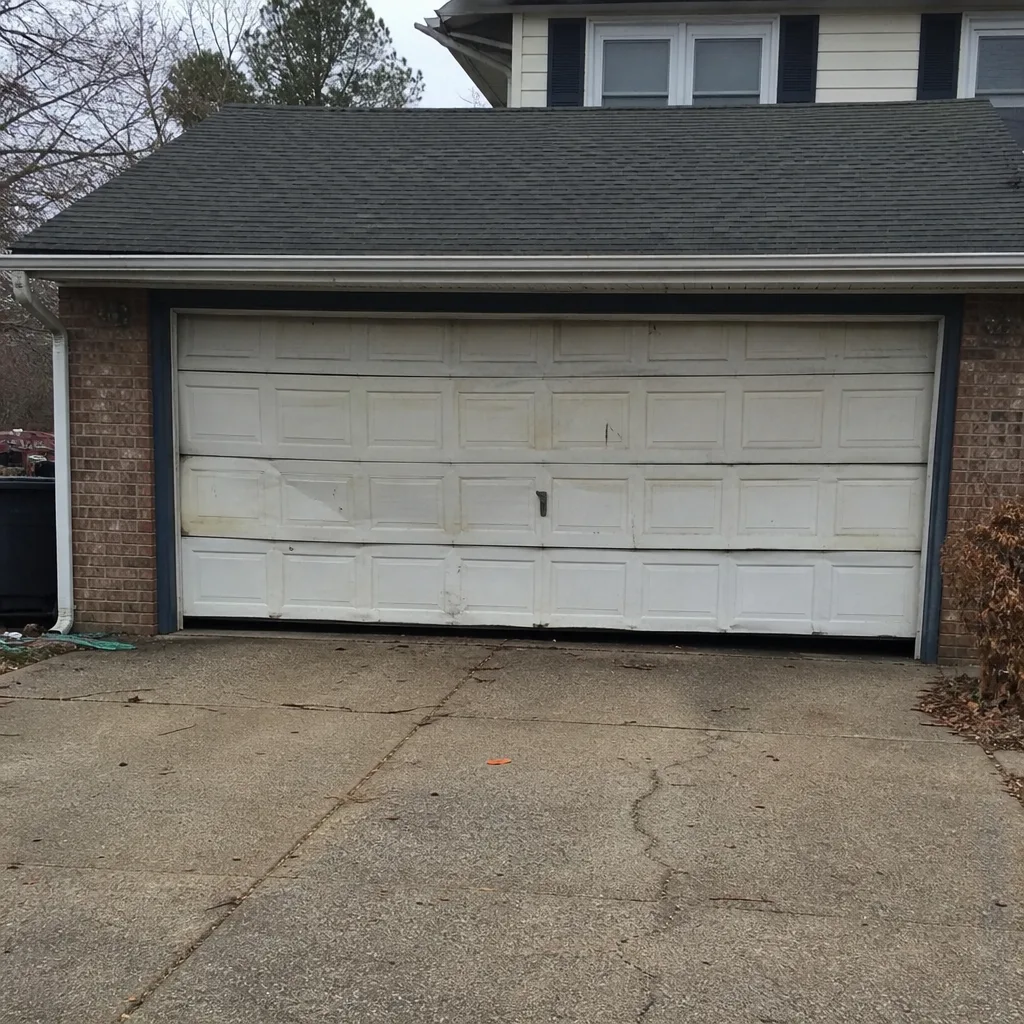 Before
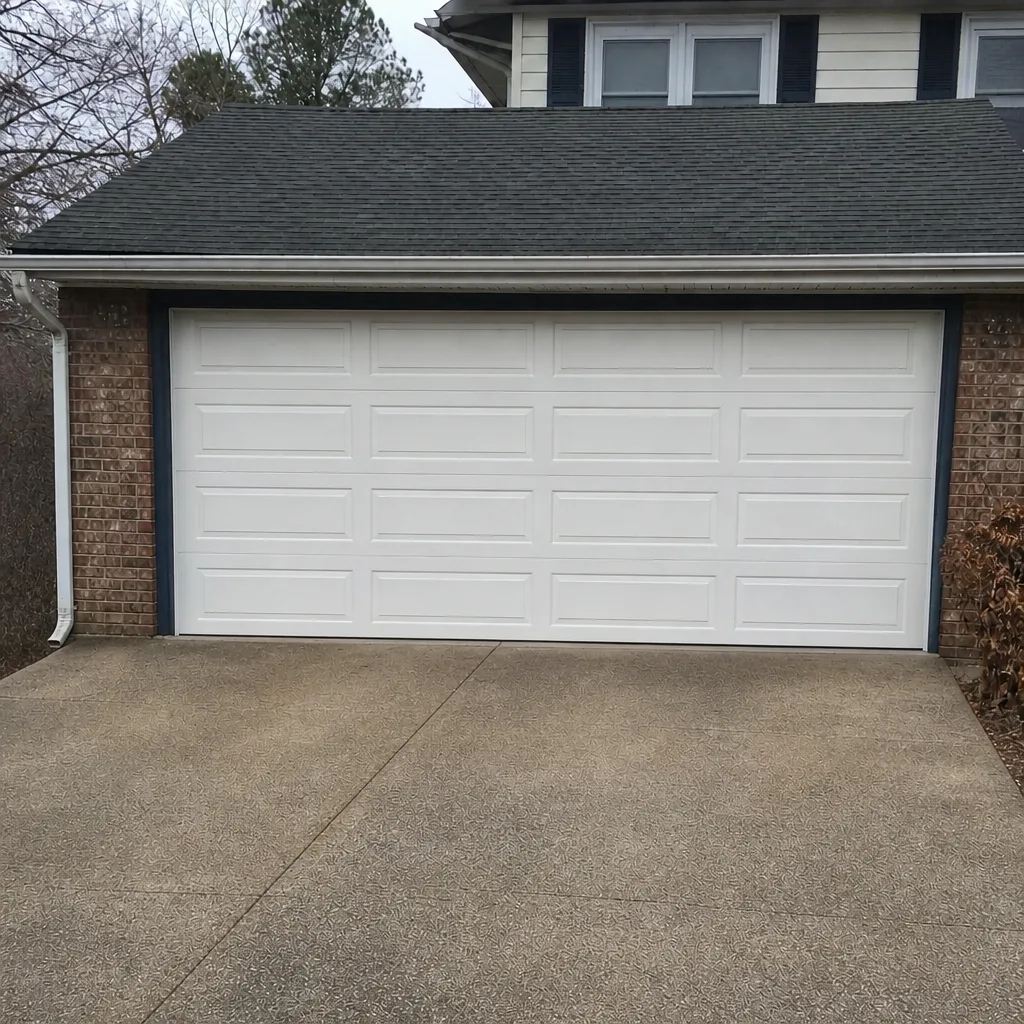 After
When to Call a Professional
Any sign on the stop-now list is a call. Any sound you can’t identify, any visual symptom you’re not sure about, and any door that’s been running on a stretched or squealing mechanism for more than a few weeks deserves a look. We also recommend a professional visit when you’re planning a door upgrade and want to know whether the existing door can be repaired or should be replaced, and when you’re deciding between brands like Clopay, Amarr, or Wayne Dalton. Garage Door Repair Woodbridge Pros offers free estimates in Woodbridge Township. Call (866) 774-1757 and describe what you’re hearing and seeing; we’ll tell you whether it’s urgent or schedulable, and what a repair is likely to involve. Our technicians have up to 14 years of experience, and we work on the brand already in your garage.
Frequently Asked Questions
The most common warning signs we hear about in Woodbridge Township are squealing rollers, a door that shudders on the way up, and popping sounds from a failing spring. Squealing and shudders are usually safe to schedule; popping means stop. Call (866) 774-1757 for a free estimate if you’re hearing any of them.
Spring repair is quoted per spring and depends on whether you have torsion or extension springs and whether one spring or a matched pair has failed. Most of the cost is labor, and a written estimate sets the final price. Call (866) 774-1757 for a free estimate.
Often, yes. Emergency garage door service is part of what we offer, and a stuck door that leaves your home open or blocks your car is the kind of call we prioritize. Call (866) 774-1757 and describe the door’s position and what you heard when it failed; we’ll tell you what’s available.
A door that reverses a few inches above the floor is usually triggered by the safety photo-eye sensors at the bottom, which get blocked by dirt, debris, or a misaligned bracket. A quick wipe and realignment fixes most cases. If it continues, call (866) 774-1757; the sensors themselves may need replacement.
No, the price we quote in writing is the price for the agreed work. We quote and agree the price before any work starts. If the inspection turns up something different from what we discussed, we’ll explain the options and re-quote before we proceed.
The local professionals we connect you with are licensed and insured as their state requires. We work only with vetted specialists in garage doors, so the work is done by someone who does this every day. Call (866) 774-1757 to book a free estimate.
The Bottom Line
Garage door failures almost always announce themselves. The grinding is a worn roller; the squeal is dry hardware; the pop is a broken spring; the clunk is a loose hinge or a roller out of its track. Once you know the sound-to-cause map and the stop-now versus watch-and-wait list, you can tell whether your door needs a call today or a look next week. Keep those lists handy, stand in the garage and look at the door once in a while, and describe what you hear when you call. That’s the whole guide in a nutshell.
Written by the team at Garage Door Repair Woodbridge Pros.