Last updated November 23, 2026
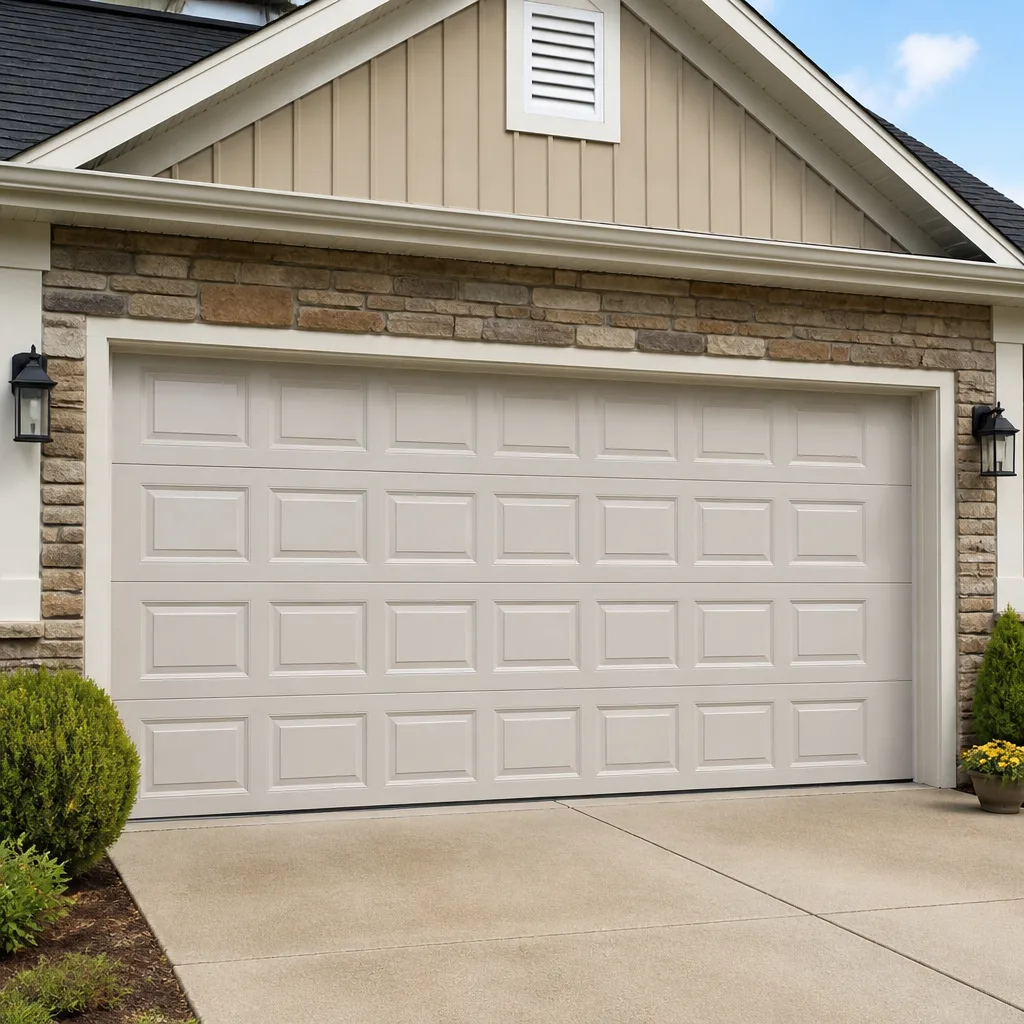 Raised-panel steel
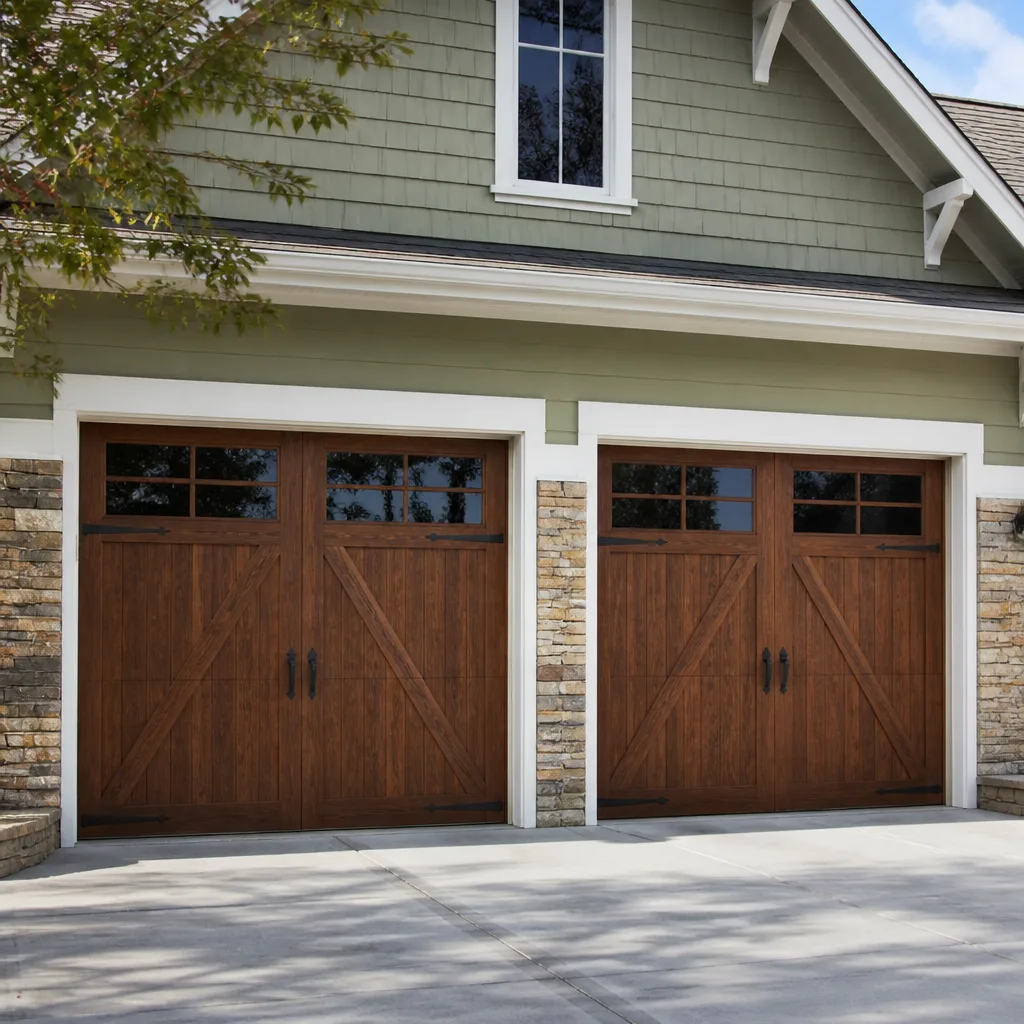 Carriage house
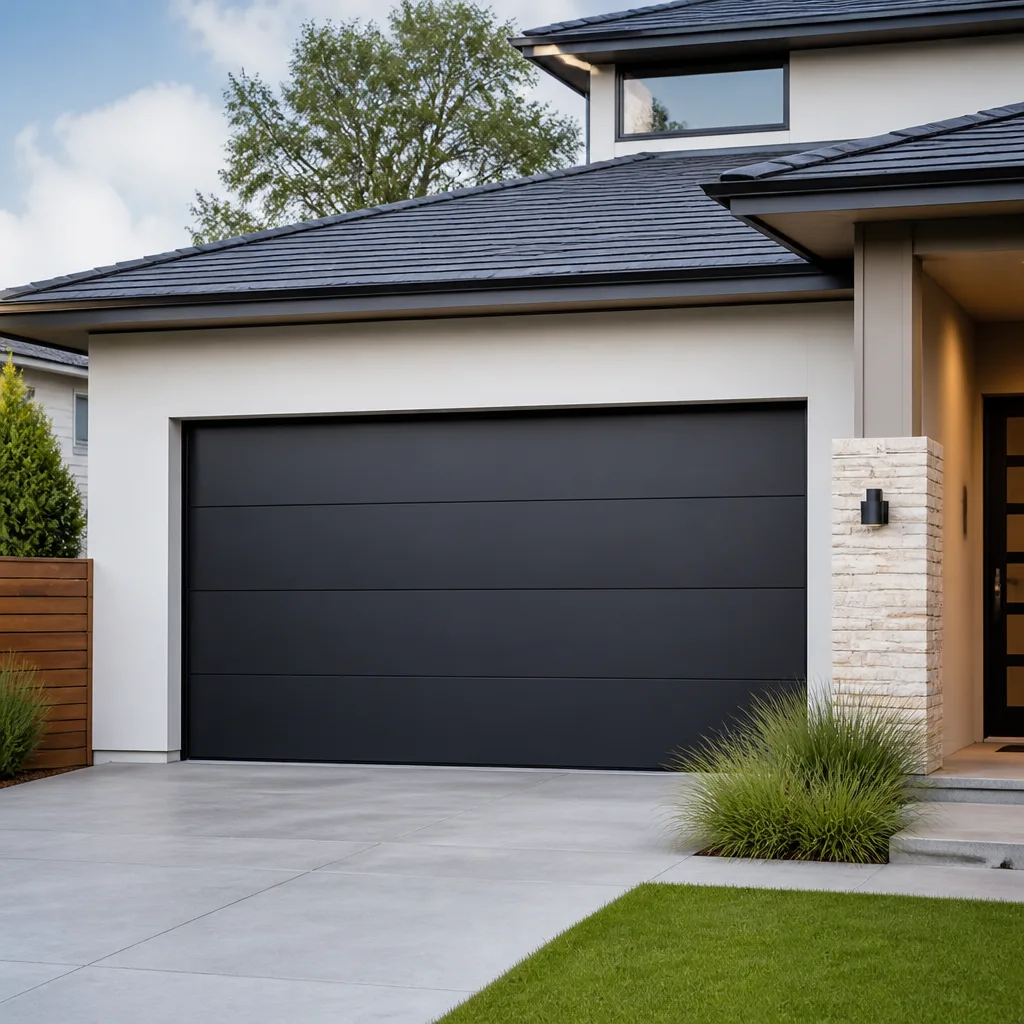 Modern flush
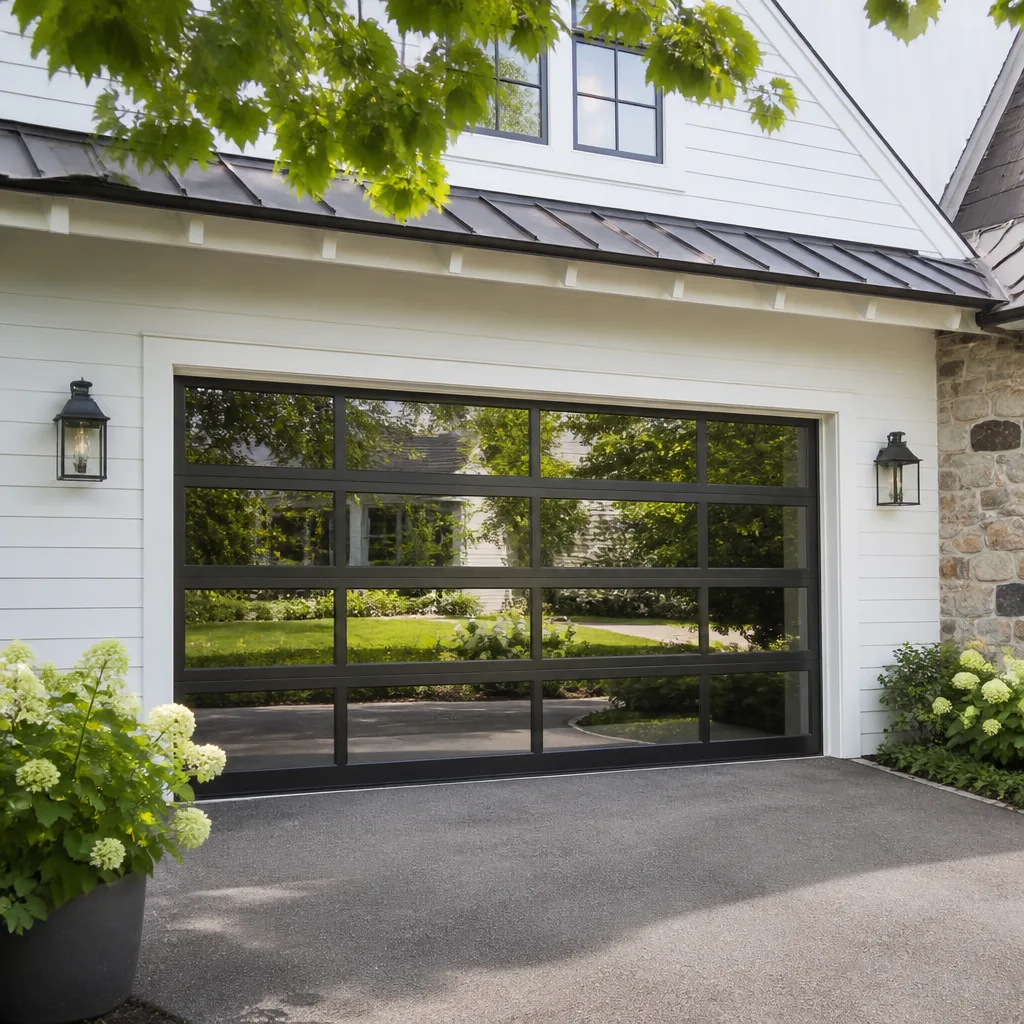 Full-view glass
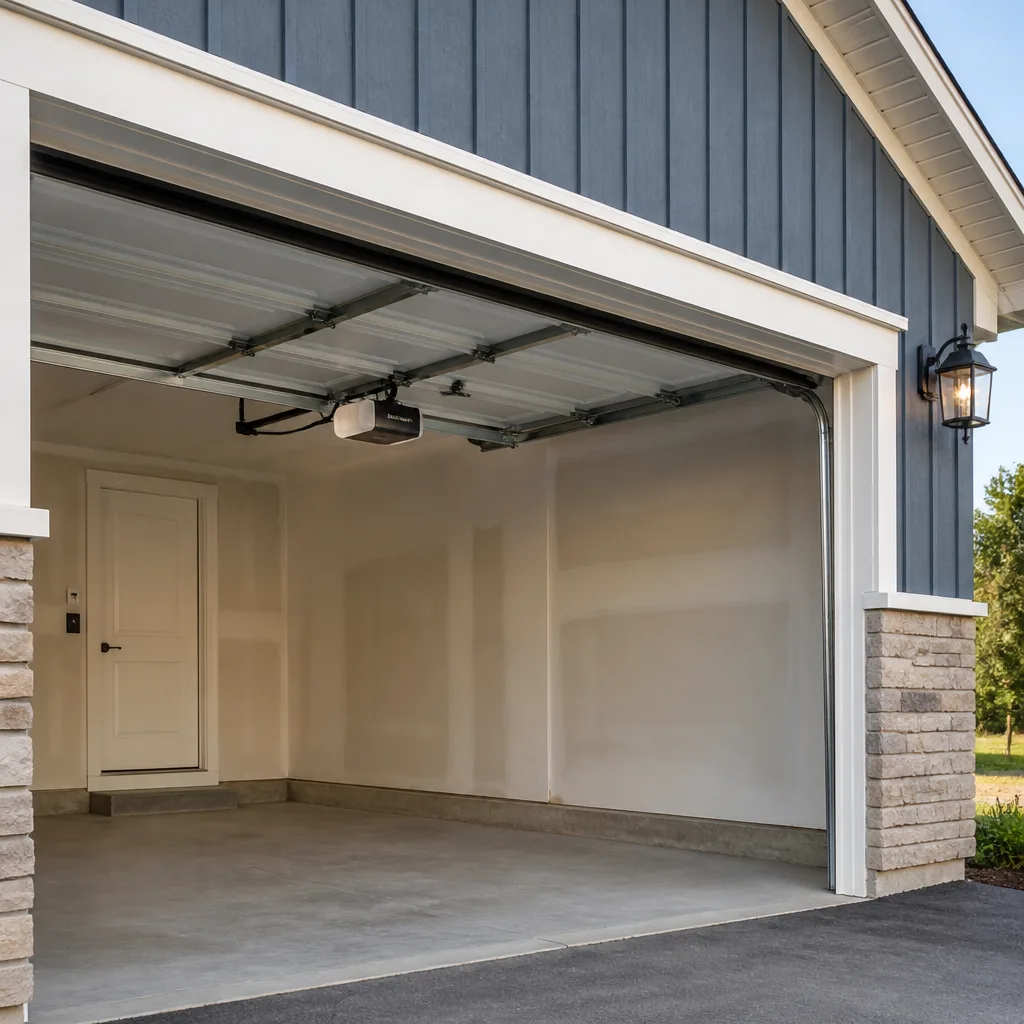 LiftMaster openers
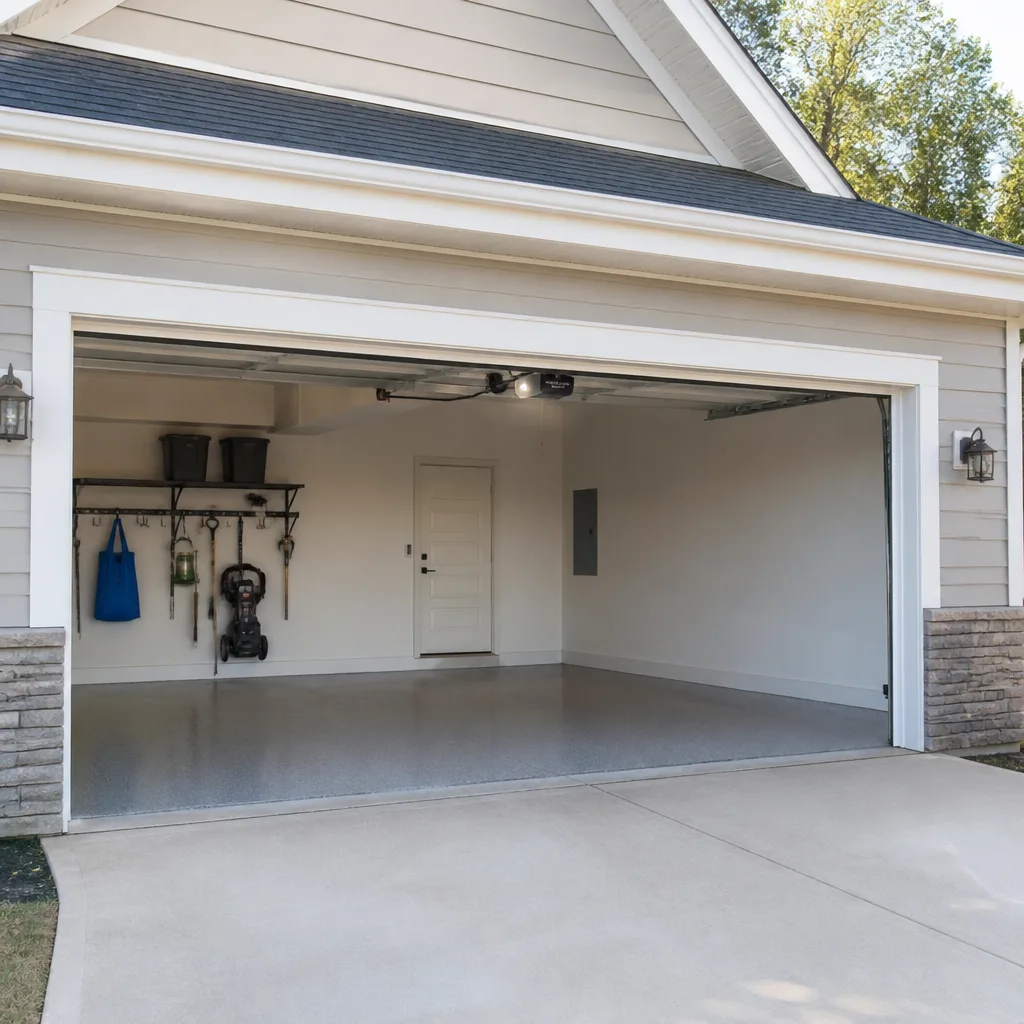 Chamberlain openers
Full 25-point door and opener safety check with every visit - springs, cables, rollers, tracks, and your LiftMaster or Chamberlain opener included
You get a price before we start. It does not change when the pro arrives.
Get your free estimateDIY vs Professional Garage Door: The Woodbridge Township Homeowner’s Decision Guide
Most homeowners who get hurt working on a garage door didn’t make a careless mistake. They were capable people who had already fixed a faucet, swapped a light fixture, and rehung a cabinet, and they assumed a garage door would be more of the same: heavier, maybe, but not fundamentally different. It isn’t. A torsion spring holds 150 to 200 pounds of stored tension, and the way that tension gets released during a replacement attempt is what turns a spring or a cable into a flying object. That’s not a disclaimer tacked onto the bottom of the page. It’s the mechanical fact that decides where the DIY line falls, and it’s the reason this guide exists for Woodbridge Township homeowners. Below you’ll get a task-by-task breakdown, a look at what DIY actually saves once you count the parts and tools, and a clear picture of the jobs that should go to a specialist no matter how handy you are.
Quick Answer
Weatherstripping, sensor alignment, remote reprogramming, and basic lubrication are genuinely safe DIY tasks for most homeowners. Spring replacement, cable replacement, torsion hardware, and any job that requires releasing stored tension are not, because the physics of those systems can cause serious injury regardless of skill or tool quality. Call a specialist for anything involving springs, cables, or a door that has come off its tracks.
Styles & brands we work with
- Raised-panel steel
- Carriage house
- Modern flush
- Full-view glass
- LiftMaster openers
- Chamberlain openers
Table of Contents
- The Stored Tension Problem: Why Garage Doors Aren’t Like Other Home Repairs
- Genuinely DIY-Safe Repairs (And Why They’re Safe)
- The Spring Replacement Case: Why Physics Sets This Apart
- The Real Cost Math on Borderline Jobs
- New Jersey Considerations: Warranties, Permits, and Resale
- How to Be a Useful Partner on a Professional Job
- What Woodbridge Township Weather Does to Your Door
- Choosing a Garage Door Specialist in Woodbridge Township
The Stored Tension Problem: Why Garage Doors Aren’t Like Other Home Repairs
Here’s the thing about a garage door that makes it different from every other repair around your house: it’s a system that stores energy. A closed door holds a spring under tension, and the opener does very little of the actual lifting. The spring counterbalances the door’s weight, which means when you see a technician working on a spring, they’re managing hundreds of pounds of force that’s actively trying to unwind. A cabinet door that closes wrong is annoying. A torsion spring that releases wrong is dangerous.
This is why the DIY question splits along a clean line. Anything that touches the spring, the cable, the track alignment, or the door’s balance point is a job for someone trained to work around stored energy. Anything that doesn’t touch those systems is a reasonable DIY project. The line isn’t about how difficult the task looks. It’s about whether the task can release energy you can’t control.
In our experience working on doors across Woodbridge Township, the patterns hold across ages and price points. Older doors in the Iselin and Colonia neighborhoods often have extension springs mounted along the horizontal track, which are more exposed than torsion systems but still carry serious stored force. Newer installations in Avenel and Port Reading usually run torsion springs above the door opening, which are safer to live with but less forgiving to work on. Either system, the danger is the same. We’ve made safe spring work a standalone part of what we do for exactly this reason.
One more distinction that matters for homeowners weighing the decision: a door that won’t close isn’t just an irritation. It’s an open portal into your house. That’s why emergency garage door service exists as a service category, not a marketing line: doors that stick open, come off track, or refuse to budge leave homes exposed, and the timing of those failures is never convenient.
Genuinely DIY-Safe Repairs (And Why They’re Safe)
A meaningful share of garage door complaints, maybe a third of the calls that turn out to be something else, aren’t mechanical problems at all. They’re sensor problems, remote problems, or weatherstripping wear. Those are safe to handle yourself, and we’d rather you know that than call us out for a task you could wrap up in twenty minutes.
Here’s the short list of jobs most homeowners can safely do:
- Weatherstripping replacement. The rubber or vinyl seal along the bottom of the door takes the most weather abuse of anything on the system. It weathers, cracks, and starts letting water in. Pulling and replacing it is a ladder job with no stored energy involved.
- Safety sensor alignment. If the door reverses and won’t close, check the two photo-eye sensors mounted at the bottom of each track. A bumped sensor, a spider web, or a bit of dirt is often the entire problem.
- Remote reprogramming. Most LiftMaster and Chamberlain systems reset through the wall console, and the manual walks you through it. If the opener works from the wall but not the remote, this is almost always the fix.
- Lubrication. A garage door needs periodic lubrication on the hinges, rollers, and track. A proper garage door lubricant applied by hand, with the door fully closed and the opener off, is safe.
- Track debris cleanup. Wiping down the inside of the track with a rag removes grit that makes the door drag. Never bend or adjust the track itself; that’s a balance issue that belongs to a specialist.
Notice what’s not on that list: springs, cables, torsion bars, bottom brackets, and anything that requires loosening the door’s mechanical connection to its track. If a repair involves the word “tension” or “cable,” stop and call. For everything else, watch a couple of videos, take your time, and call us if you get stuck. That’s the right instinct, not a failure.
The Spring Replacement Case: Why Physics Sets This Apart
If you take one section of this guide seriously, make it this one. Torsion spring replacement is not a harder version of a normal repair. It’s a different category of task, and the difference is in how tension gets released. A torsion spring doesn’t just fail on its own when it breaks; it also can’t be safely removed or installed without controlled winding, because the winding process stores the same force you’re trying to release. Every step of the job puts you in contact with the stored energy.
The standard tools for the job are specific for a reason. Winding bars aren’t a convenience item; they’re the mechanism that keeps hands out of the release path. Without them, a DIY attempt typically involves channel locks or screwdrivers that slip off the winding cone under load. When that slip happens, the moment of failure is not gradual, and the spring or cable becomes a projectile. A homeowner with perfect tools, good eyesight, and steady hands is still working on a system designed to be manipulated with controlled equipment by someone who knows the release sequence.
Extension springs carry the same risk with a different geometry. They’re under tension along the horizontal track, and when one snaps, the recoil sends it up and outward. That’s why extension springs carry safety cables as standard on newer installations, and why an uncabled extension spring is a real hazard if you’re standing in its path.
Our technicians have up to 14 years of experience, and we treat garage door spring repair as a standalone discipline. That’s not a positioning statement. It means we plan for the release path, use the correct winding equipment, and know which spring sizes and tolerances match your specific door and the door’s age. If you’re in doubt about a spring, stop. Call (866) 774-1757 and ask. We’d rather talk you out of a DIY attempt than walk you through one that could send you to the emergency room.
A hard safety note worth keeping in mind for any garage door work: never put your hand near the bottom bracket, the cable attachment points, or the winding cone. Those are the specific parts that fail during a DIY attempt, and they fail without warning.
The Real Cost Math on Borderline Jobs
The borderline jobs are where the cost math is genuinely worth doing, and the outcome usually surprises homeowners. Once you add parts, tool rental, and the afternoon you spend on the task, the savings from DIY are often smaller than people expect, sometimes less than $60. The parts are not the expensive piece. Time and tools are.
Here’s a rough breakdown for the most common tasks homeowners consider doing themselves:
| Task | DIY Cost Picture | What Changes at the Professional Level |
|---|---|---|
| Weatherstripping | Material cost only, maybe an hour of time | Professional is faster and can check for moisture paths while the door is up |
| Sensor alignment | Free if it’s just a bump or dirt | If the sensor itself has failed, a replacement is a quick pro swap |
| Remote reprogramming | Free, provided you have the manual | If the opener’s logic board is the issue, that’s a pro job |
| Lubrication | A tube of proper lubricant | Technicians can spot roller or hinge wear at the same time |
| Opener repair | Risky; parts sourcing is hard and misdiagnosis is common | Professional diagnosis prevents replacing the wrong component |
| Spring replacement | Not safely DIY, full stop | Trained professionals only |
| Full door replacement | Not DIY for most homeowners | Requires measuring, header checks, and correct spring sizing |
The opener category is where DIY enthusiasm most often turns into a second trip to the store. A Genie or LiftMaster opener that won’t run can have a dozen causes, and most homeowners replace the motor when the fault was a travel limit or a logic board. A technician who knows the specific model’s failure patterns saves the cost of the wrong part.
For a full picture of what professional pricing looks like on a spring job, call (866) 774-1757. Estimates are free and you’ll have a written number before anything gets touched.
New Jersey Considerations: Warranties, Permits, and Resale
Here’s a consideration that doesn’t show up on most DIY guides: the way you handle a repair can affect the manufacturer’s warranty on the door or the opener. Many manufacturers require installation by a qualified professional as a condition of coverage, and there’s no way to know from inside the manual whether a specific door or opener is covered if you’re not reading the paperwork carefully. Our recommendation is to read the warranty language before you decide a job is DIY. If coverage depends on professional installation, the savings from a DIY repair look a lot smaller when you factor in a voided warranty.
Permits matter on a narrower set of jobs. For most repairs, no permit is required. Full door replacements and structural changes (new header, modified opening, changes to electrical for the opener) can trigger permit requirements depending on your township’s building department. Woodbridge Township has its own building department and its own inspection standards, which means the requirement isn’t the same as a neighboring town’s. If you’re planning anything beyond a repair, ask the township directly before you order the door. A short phone call up front prevents a resale problem ten years later.
Resale is the hidden variable here. A garage door is one of the first things an inspector and a buyer will look at, and an improperly installed torsion spring or a hacked-together opener mount is one of the first things an inspector will flag. In practice, that’s a repair credit and a delay. If you’re planning to sell any time in the next five years, the record of professional service on a door is worth more than the money saved on a DIY fix.
For doors on the newer end of the market, including Clopay and Amarr systems, the manufacturer’s documentation usually spells out what’s expected. If you’re unsure, give us a call and we’ll tell you what we know about the brand and model in your garage, or check with the door’s manufacturer. We work on the brand already in your garage, whether it’s a brand you see on every street in Fords or a legacy Raynor door from a much earlier installation.
How to Be a Useful Partner on a Professional Job
Homeowners often assume the specialist has to handle everything from arrival to invoice. Nope. There’s a lot you can do before, during, and after the visit that cuts total time and total cost without ever touching the mechanical systems. Being a useful collaborator is the highest-value thing you can do if you’re paying for professional work in Woodbridge Township.
- Clear the bay. Before the technician arrives, remove anything parked inside the garage and move the vehicles out of the driveway. A clear bay and clear driveway save 10 to 15 minutes of setup on every job.
- Have the door’s paperwork ready. If you have the original manual, the brand card, or the model number from the sticker on the door or opener, have it visible. Our technicians are factory-trained across eight major brands (LiftMaster, Chamberlain, Genie, Clopay, Amarr, Wayne Dalton, Craftsman, and Raynor), and knowing the model speeds up parts selection. If we can’t find a model number, we’ll identify it by tracking the door’s features, but your paperwork saves a step.
- Note the symptoms, not the diagnosis. “It reverses about a foot off the ground” is more useful than “the sensor is broken.” Tell us what you see, hear, and feel when the door runs.
- Clear the path to the electrical outlet. If we may need to reset the opener or test the sensitivity, the outlet and wall console need to be reachable.
- Plan for the follow-up. Most jobs close in a single visit. If a part needs to be ordered, we’ll tell you what to expect before we leave. Knowing the timing up front doesn’t save cost, but it saves a frustrated call a week later.
After the service, the homeowner’s job is simple. Watch for any change in how the door runs in the first week, listen for new noises, and call if something feels different. A little attention goes a long way toward preventing a repeat visit. For ongoing work, the same technicians who handle a full installation also handle repair and maintenance on that door going forward, which is one reason we don’t push you toward a big-box contractor.
What Woodbridge Township Weather Does to Your Door
The climate here puts your garage door through a specific kind of wear. Woodbridge Township gets a full four-season cycle, which means the door expands and contracts through a temperature range that pushes both spring tension and door alignment. Those swings matter more than people realize. Springs that are properly wound for a cold winter may sit slightly over-tensioned in July, and the door’s balance drifts as the rollers wear unevenly. Neither condition is a call-the-fire-department emergency, but both are reasons a door that ran fine in May can start dragging in October.
Winter road salt and the freeze-thaw cycle are the two biggest environmental factors on the door itself. Road salt tracked onto the door’s bottom rollers and hinges encourages rust, and a wet winter season followed by a warm spring leaves moisture sitting in the bottom seal. The bottom seal is the first thing to fail in most garages here, and it’s the cheapest to replace. The bigger issue is the alternating freeze and thaw. Water gets into small cracks in the concrete, then expands when the temperature drops overnight. That’s nothing to do with the door mechanically, but it does affect how level the floor is under the door, and a door whose bottom seal has stopped sitting flush is letting in cold air and water all season.
The good news for homeowners thinking about the DIY decision is that Woodbridge’s climate actually extends the useful life of most components if they’re serviced on a normal schedule. The doors that fail early usually fail from neglect, not from the weather. A twice-a-year lubrication and a visual inspection of the springs, cables, and hardware gets most homeowners through several seasons without a repair. When something does go, the response is different for different systems. Opener problems are common in extreme cold, when the door’s balance gets slightly stiffer and the motor has to work harder. That’s when we get the most garage door opener repair calls. If that’s your situation, call before the opener strips its drive gear. It’s a small repair now and a bigger one later.
Humidity is the other factor. The Woodbridge summer gets warm and muggy, and a garage without ventilation keeps the air inside at a higher humidity than the outside. That’s hard on the steel components: the track, the hinges, the springs themselves. Rust on a torsion spring isn’t a cosmetic issue. A rusted spring can fail earlier than a clean one, and it’s harder to read when it’s under tension. If you see orange streaks on the springs, mention it. That’s one of the few visual cues a homeowner can honestly use to judge the health of the system.
Choosing a Garage Door Specialist in Woodbridge Township
If you’ve decided a job is beyond DIY, the next question is who to call. The most useful filter in this trade is single-trade focus. A specialist who works only on garage doors has seen every failure mode a door can produce, in every system type, across every brand they service. A multi-trade company whose garage work is a secondary skill often hasn’t. That distinction shows up in the small things: whether they recognize the specific failure pattern of a Chamberlain myQ opener, whether they know which Clopay models share spring sizing, whether they can diagnose a door balance problem without guessing.
Here’s the checklist we’d recommend for any homeowner in Woodbridge Township:
- Ask what the technician is trained on. Ours are factory-trained on eight major brands, and we can tell you what a door’s problems tend to be when we hear the model. If the person on the phone can’t name the brands they service, that’s a signal.
- Confirm they handle spring work as a dedicated service. General handymen sometimes accept spring jobs they shouldn’t. Spring work has its own equipment, its own safety protocols, and its own subset of technicians who handle it.
- Ask about emergency service. A door stuck open is a security issue, and the timing of a failure is never convenient. We offer emergency service as a core part of what we do, not as a paid add-on.
- Check whether they can complete the full lifecycle. A specialist who installs a door should also be able to service it later. Otherwise, you end up calling the big-box store’s install team for one thing and a specialist for another.
- Ask for a written estimate before work starts. That’s the standard in our shop. You’ll know the price and how the job will go before anything gets touched.
For most tasks, the choice of specialist matters less than the choice to call one at all. Once you’ve decided a spring or cable job is beyond DIY, don’t spend weeks comparing quotes. The door doesn’t need a shorter list. It needs a technician. For more background on the specific services involved, our guide to garage door repair walks through how common failures are diagnosed and what a typical repair visit looks like.
Common Mistakes to Avoid
- Reading “easy” in a DIY video as a green light. Some of the most dangerous spring replacement videos open with a shot of a confident homeowner holding a pair of winding bars. That confidence is the point of the video, not evidence the job is safe. Treat spring work as a specialist job no matter what the comments say.
- Assuming a door that “feels light” is safe. A torsion spring in the release state feels almost weightless, and that’s precisely what makes it dangerous. If the door lifts with one hand and barely resists, the spring tension is partly gone and the release risk is at its highest.
- Buying the wrong opener. The most common opener mistake Woodbridge Township homeowners make is buying a smart unit that doesn’t match their door’s size or existing wiring. A Genie, LiftMaster, or Chamberlain opener that’s the wrong lift rating for the door’s weight will burn out or run inconsistently. Check the door’s weight class before buying.
- Adjusting the track to fix a rubbing door. The track is a fixed geometry on most installations, and bending it back rarely holds. A rubbing door is usually a balance issue, and the fix is re-tensioning the spring, not the track.
- Using WD-40 as a track lubricant. WD-40 is a solvent, not a garage door lubricant, and it attracts more grit than it prevents. Use a proper garage door lubricant, and never lubricate the track surface itself.
- Ignoring the door’s reverse test. Every opener has a reverse test: a small object placed under the closing door should send it back up immediately. Homeowners here often let the test slide after the first year, and a door that fails the test is a safety problem regardless of everything else.
- Putting off a marginal repair until it fails. A slightly warped door seal, a dragging roller, or a slow opener is cheap to fix now and expensive later. In the Woodbridge climate, that gap widens faster than people expect.
See the difference
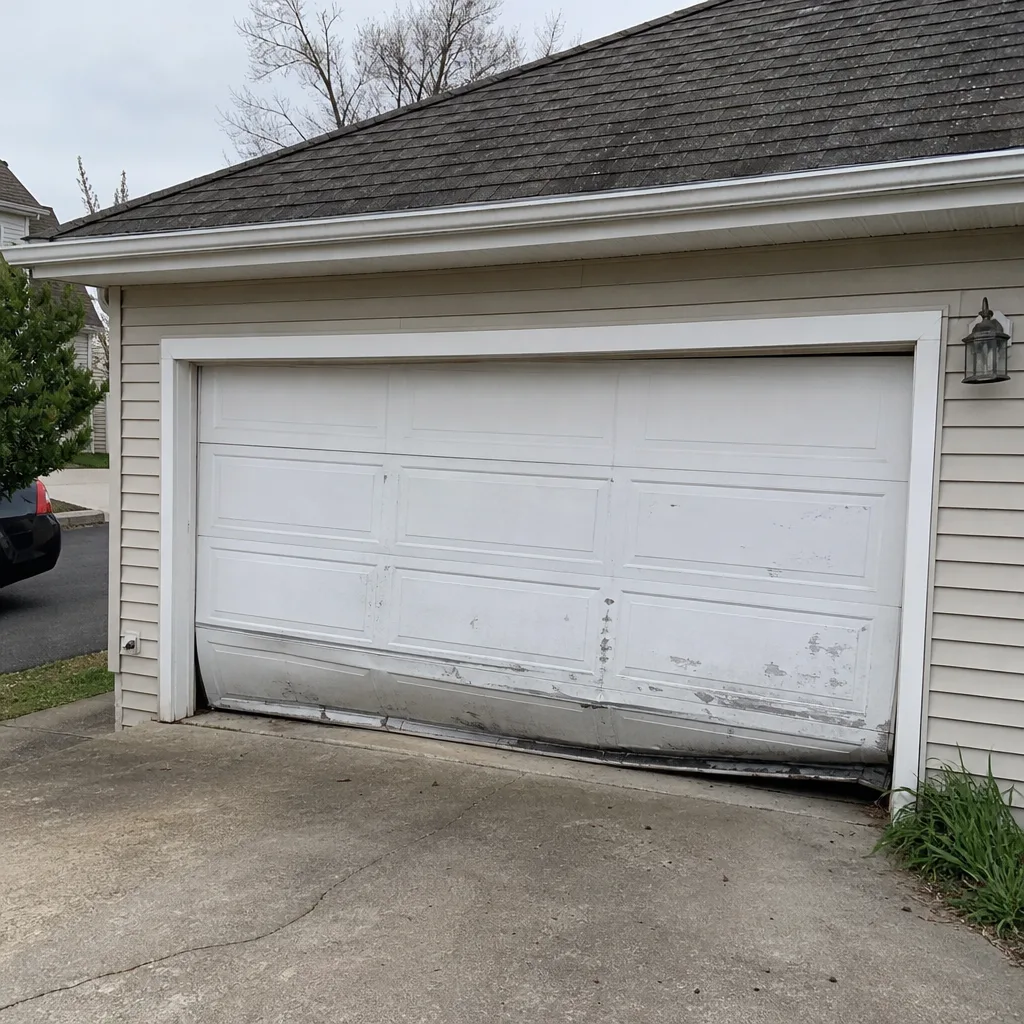 Before
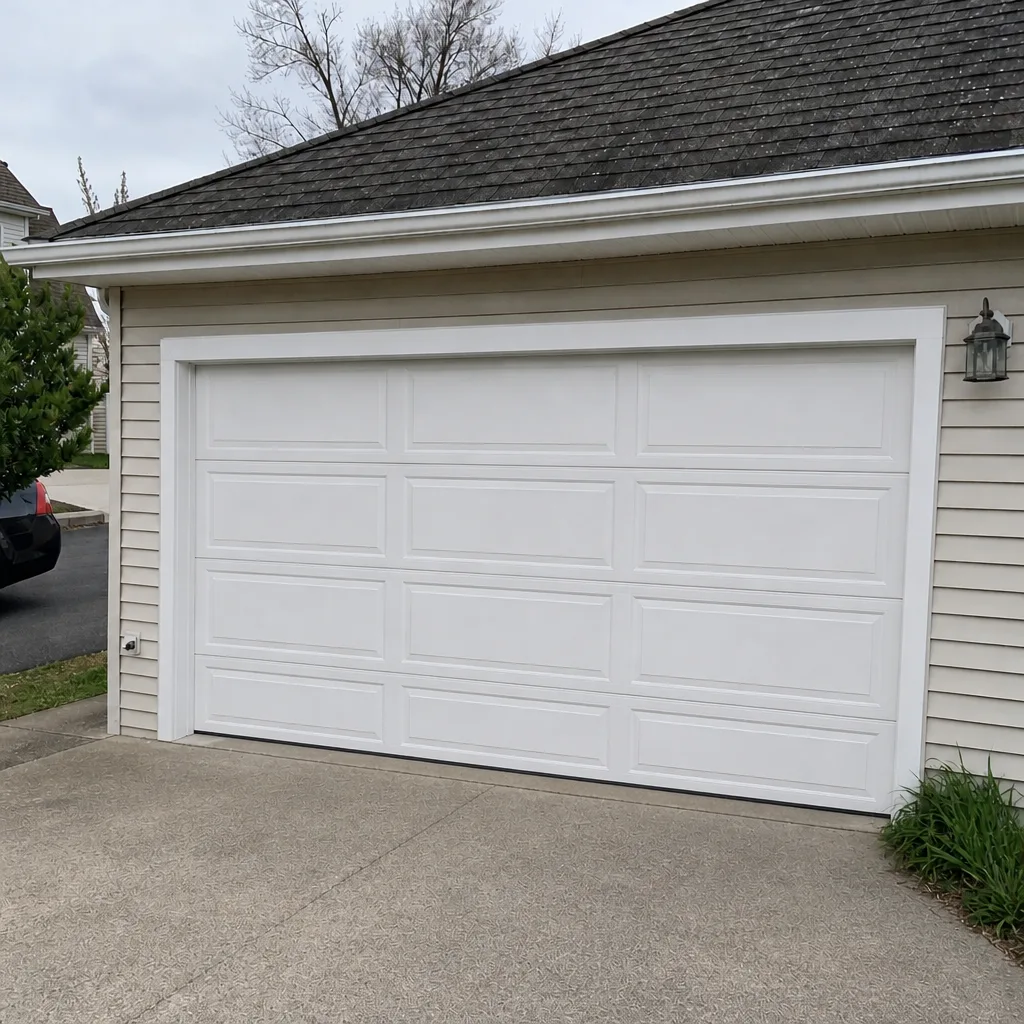 After
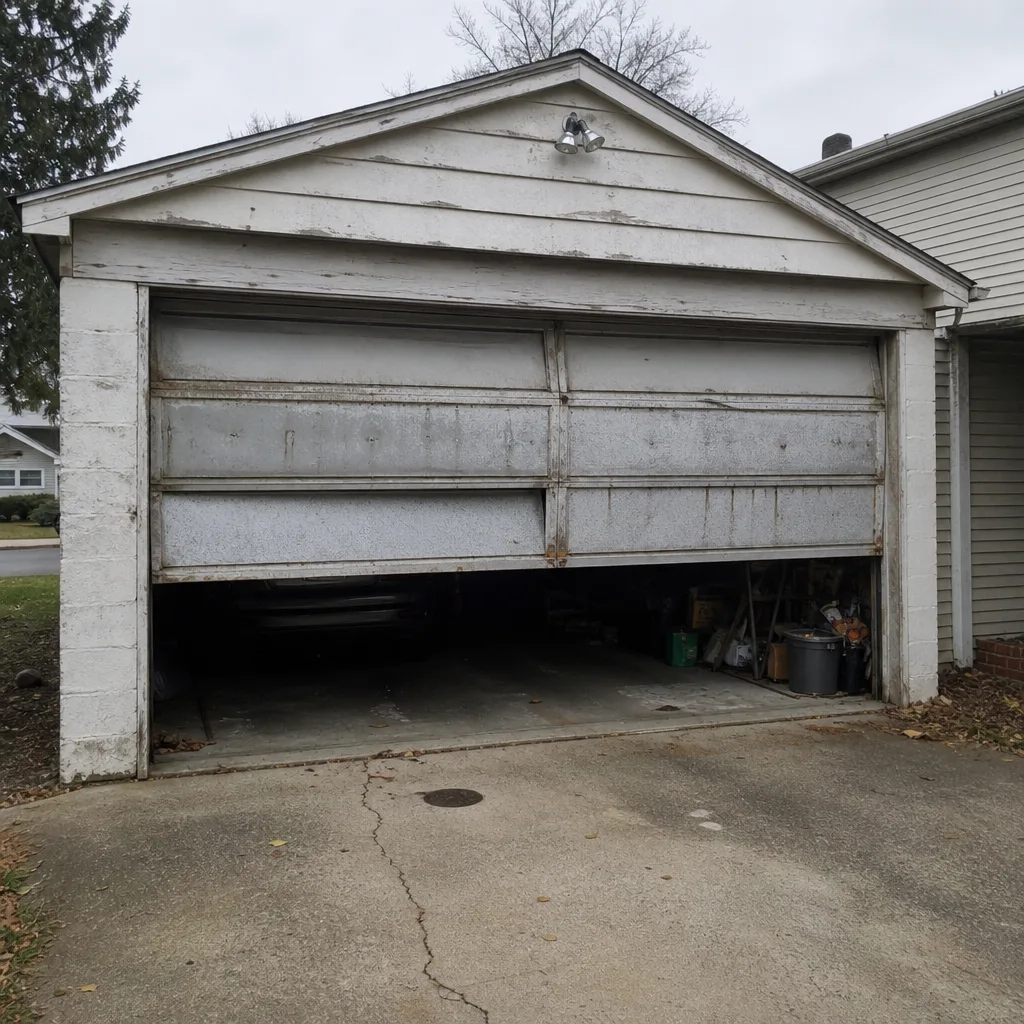 Before
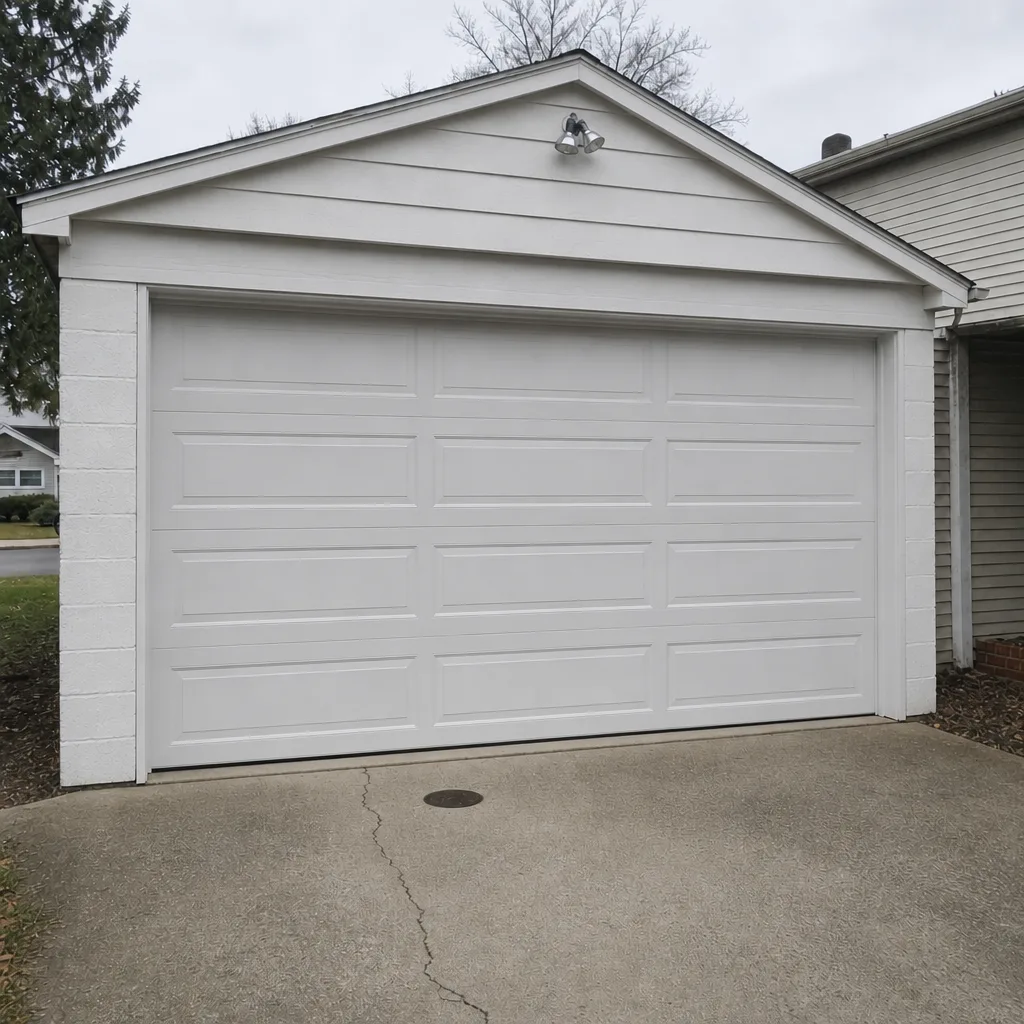 After
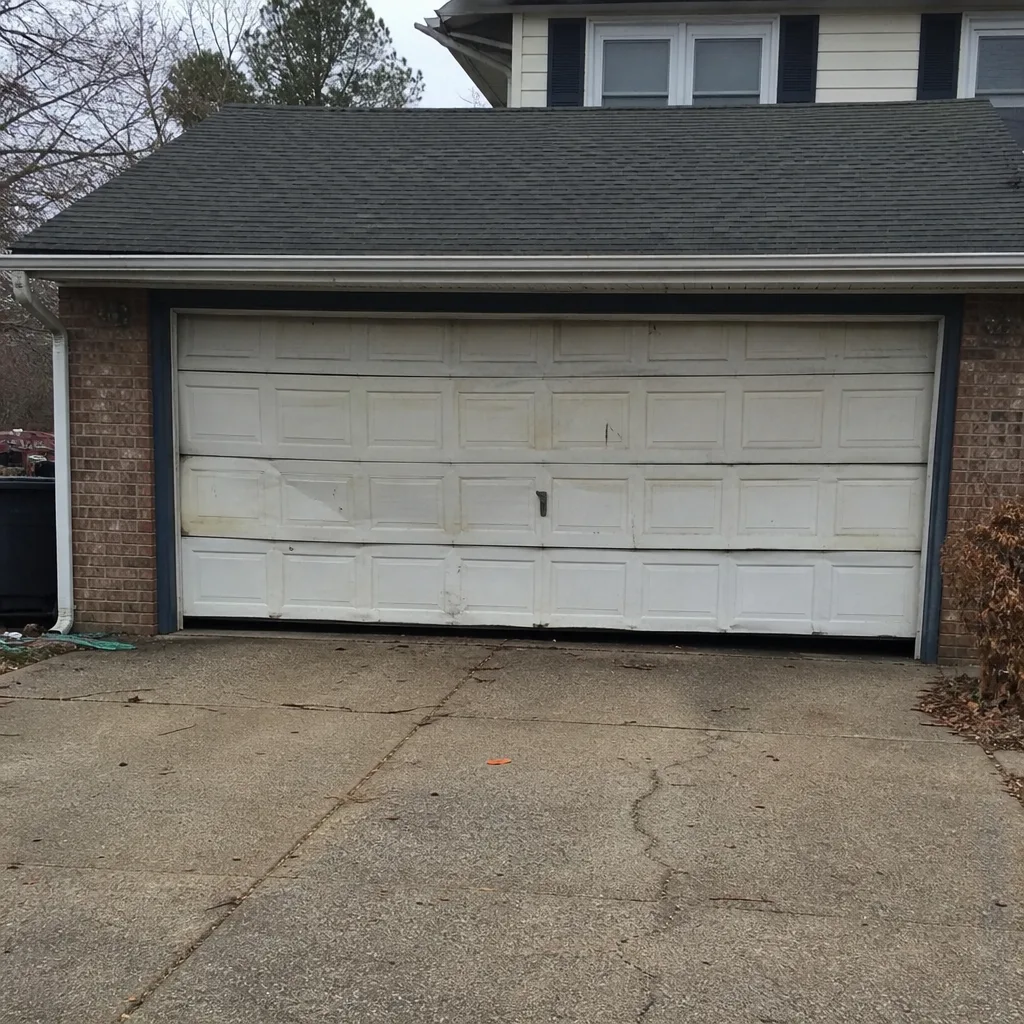 Before
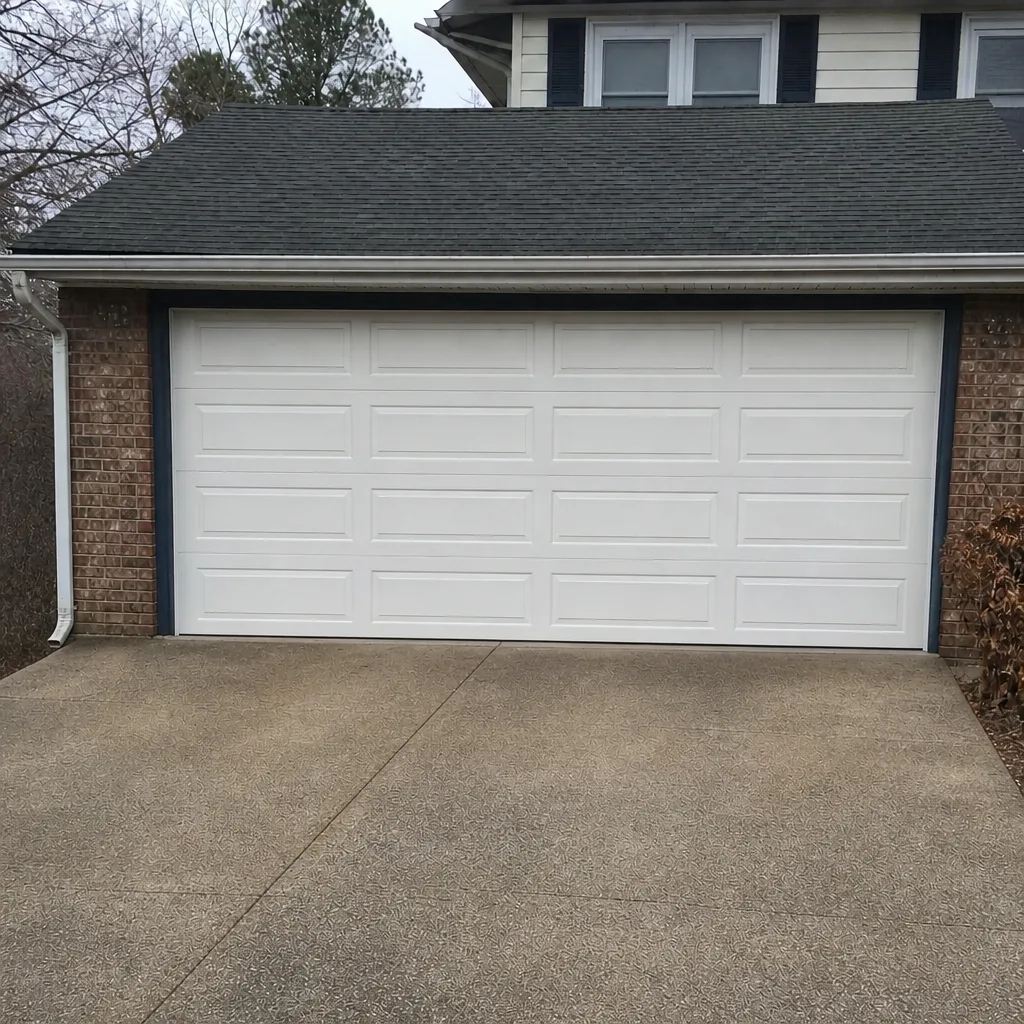 After
When to Call a Professional
Call a professional for any spring or cable work, a door that’s off its tracks, a door that won’t open or close, a door that will not stay closed with the opener off, or a door that’s more than ten years old that has never been serviced. Also call for a door that suddenly feels different in operation, a door that has started scraping the concrete, a door whose opener has failed entirely, and any installation or full door replacement. Garage Door Repair Woodbridge Pros offers free estimates in Woodbridge Township. We’re reachable at (866) 774-1757, and our technicians have up to 14 years of experience handling garage door repair, garage door opener repair, garage door spring repair, garage door installation, and emergency garage door service. If you’re on the fence about whether the job is DIY, call anyway. We’ll tell you honestly.
Frequently Asked Questions
No, and this is the one point in this guide we don’t soften. Garage door springs store 150 to 200 pounds of tension, and the release sequence during a replacement has injured experienced homeowners who had no mechanical background issue at all. The failure comes from the physics, not the person. Call (866) 774-1757 for a safe, professional spring replacement. Estimates are free.
On the genuinely DIY-safe jobs like weatherstripping, sensor alignment, and lubrication, the savings can be substantial because there’s no specialized labor involved. On borderline jobs like opener repair or door adjustment, the savings after parts, tool rental, and time often come out to less than $60, and can go negative if the wrong part gets replaced first. Call (866) 774-1757 for a written estimate and you’ll know exactly what the professional cost looks like for comparison.
Often yes. Emergency garage door service is part of our core offering for exactly this situation: a door stuck open leaves your house exposed. Call (866) 774-1757 and we’ll tell you what’s available and when. The door can usually be secured as the first step before the repair is complete.
No. The price for a repair is quoted and agreed before any work starts. A written estimate sets the final price; if something on the door turns out to be different from what the technician expected, that gets discussed with you before work continues, not added to the invoice afterward. Call (866) 774-1757 for an estimate.
Yes; the local professionals we connect you with are licensed and insured as New Jersey requires. We’re a garage door specialist, which means every job we put you with is done by someone whose trade is garage doors: springs, openers, installation, and emergency service. Call (866) 774-1757 to book.
Check the safety sensors first. If the door reverses about a foot off the ground, if the sensor light is off or flickering, or if the sensors look misaligned, the fix is often a realignment or cleanup you can do yourself. If the sensors are aligned and the door still won’t close, or if the door is binding on one side, call (866) 774-1757. A binding door is usually a balance issue that needs a professional to diagnose.
The Bottom Line
The DIY decision on a garage door comes down to one clean test: does the task involve stored tension? If it doesn’t, weatherstripping, sensor alignment, and lubrication are all reasonable for a competent homeowner. If it does, no amount of confidence, tools, or instructional videos makes the job safe. Spring replacement, cable work, and any job that touches the door’s balance point belong to a specialist, and the cost of the professional route is always less than the cost of a serious injury. For everything else, the honest test is time. If the job would take more than an afternoon and requires a part you’d have to special order, the professional route typically comes out even or ahead. That’s the calculation this guide is built around, and it’s the calculation we’d give you on the phone before you ever commit to a booking. Call (866) 774-1757 for a free estimate on any repair, spring job, opener repair, or full door installation in Woodbridge Township. We work on the brands already in your garage, we’ll quote before we touch anything, and we can also handle emergency service if the door fails before you get the chance to plan. For more about our full range of services, visit Garage Door Repair Woodbridge Pros.
Written by the team at Garage Door Repair Woodbridge Pros.