Last updated November 23, 2026
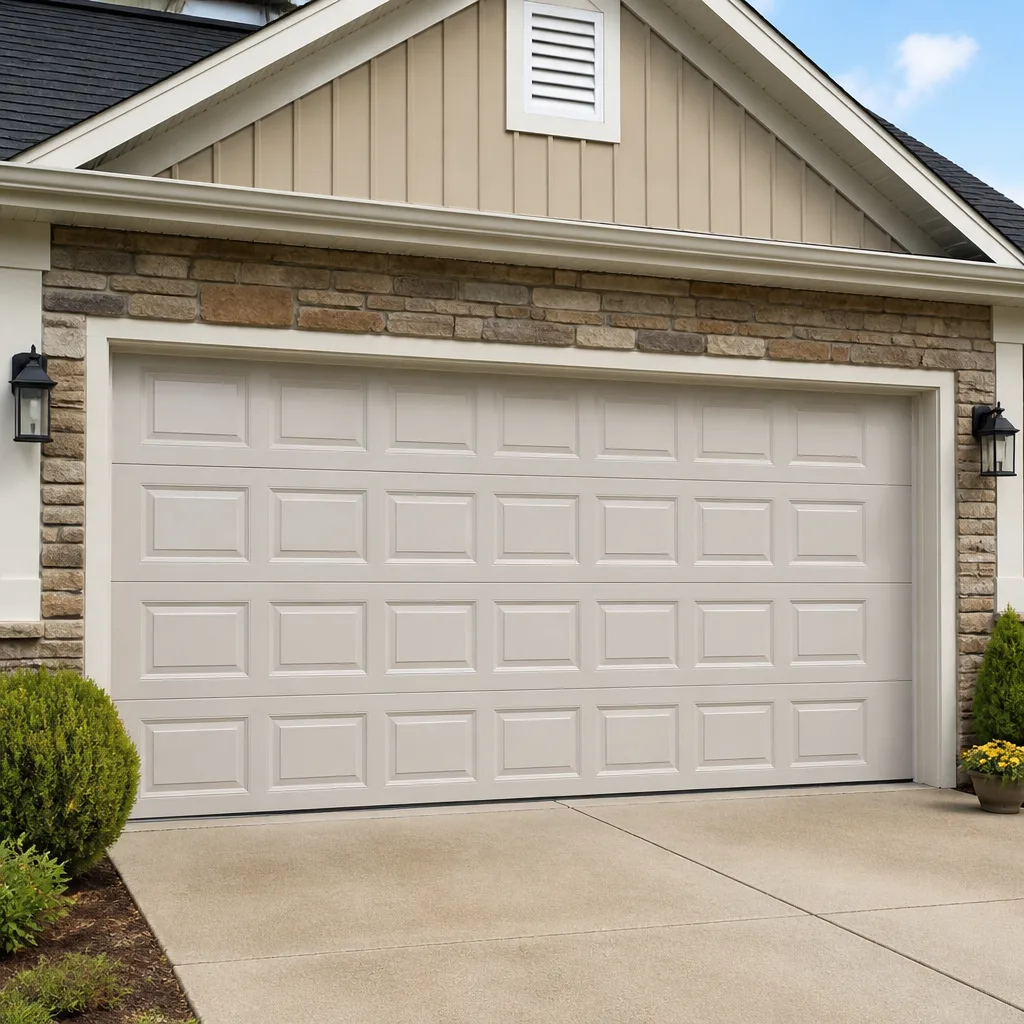 Raised-panel steel
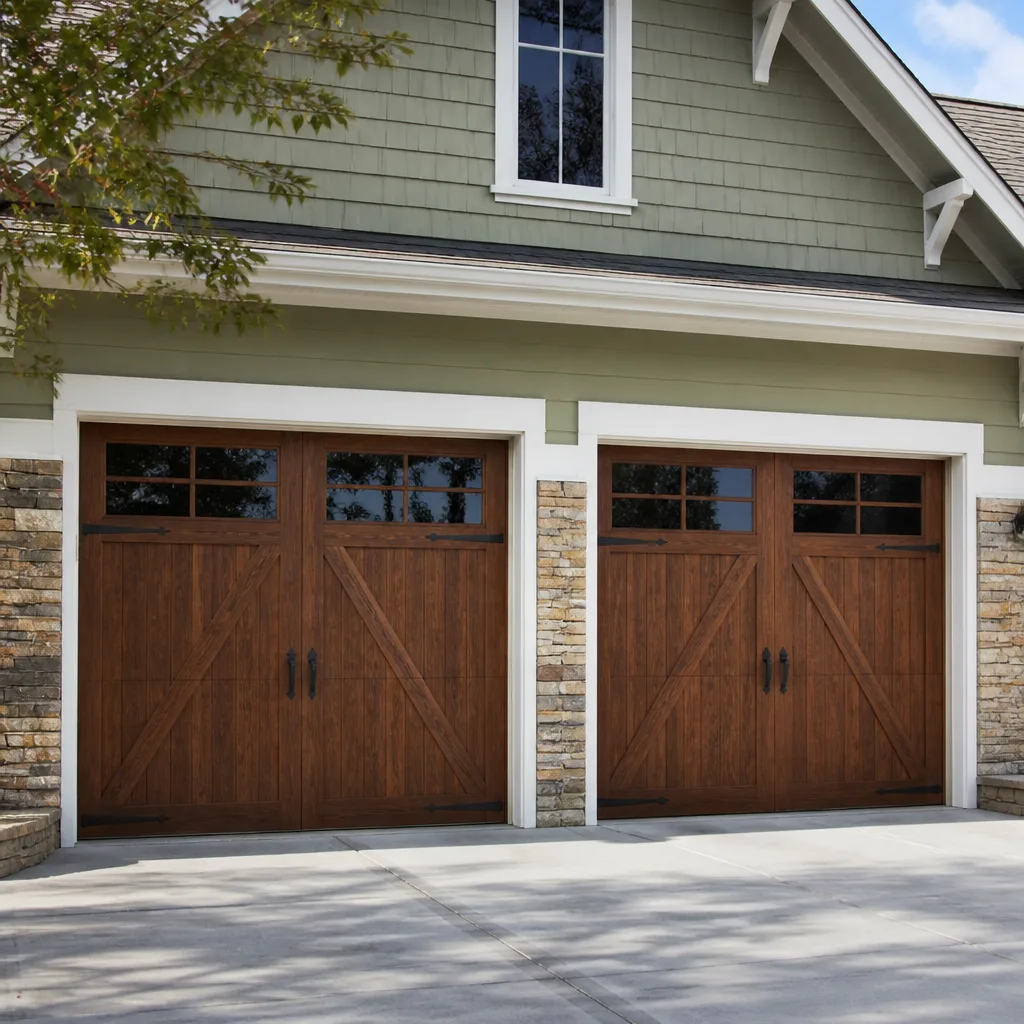 Carriage house
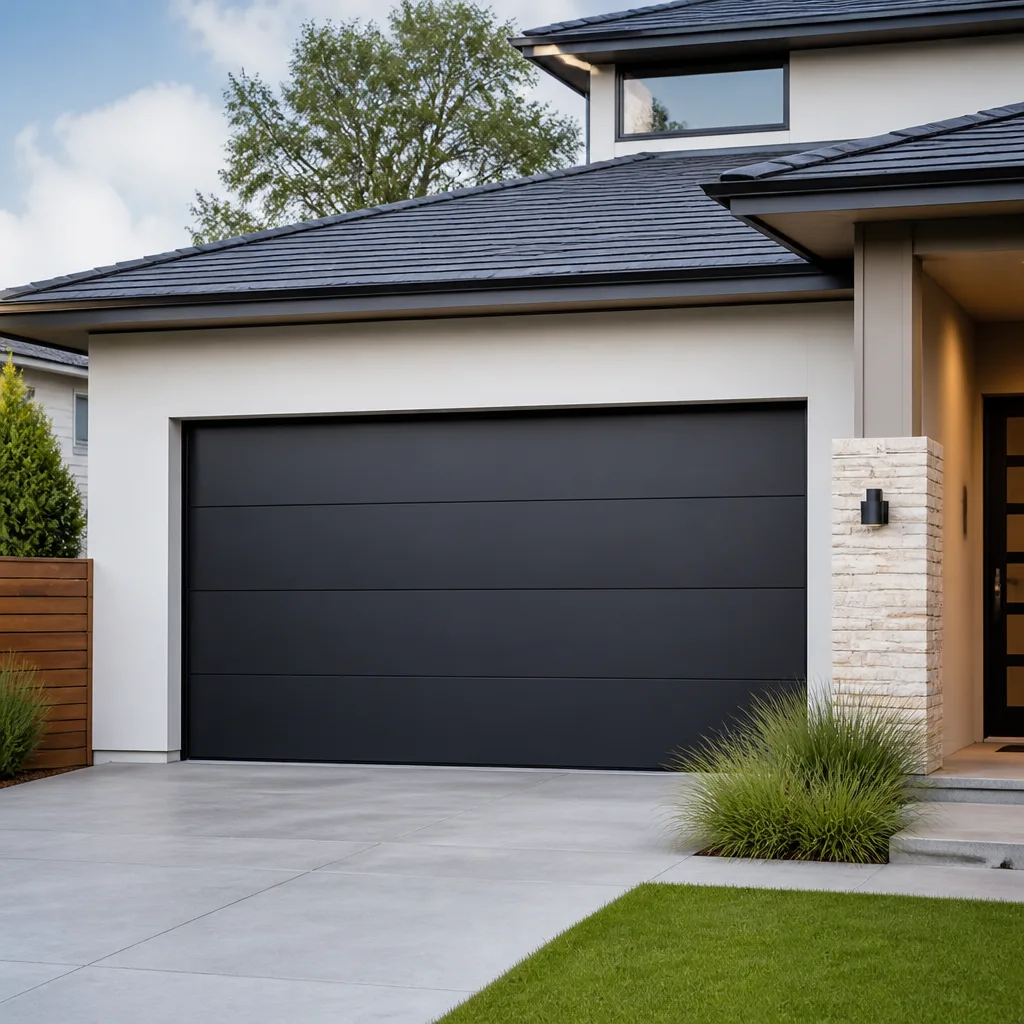 Modern flush
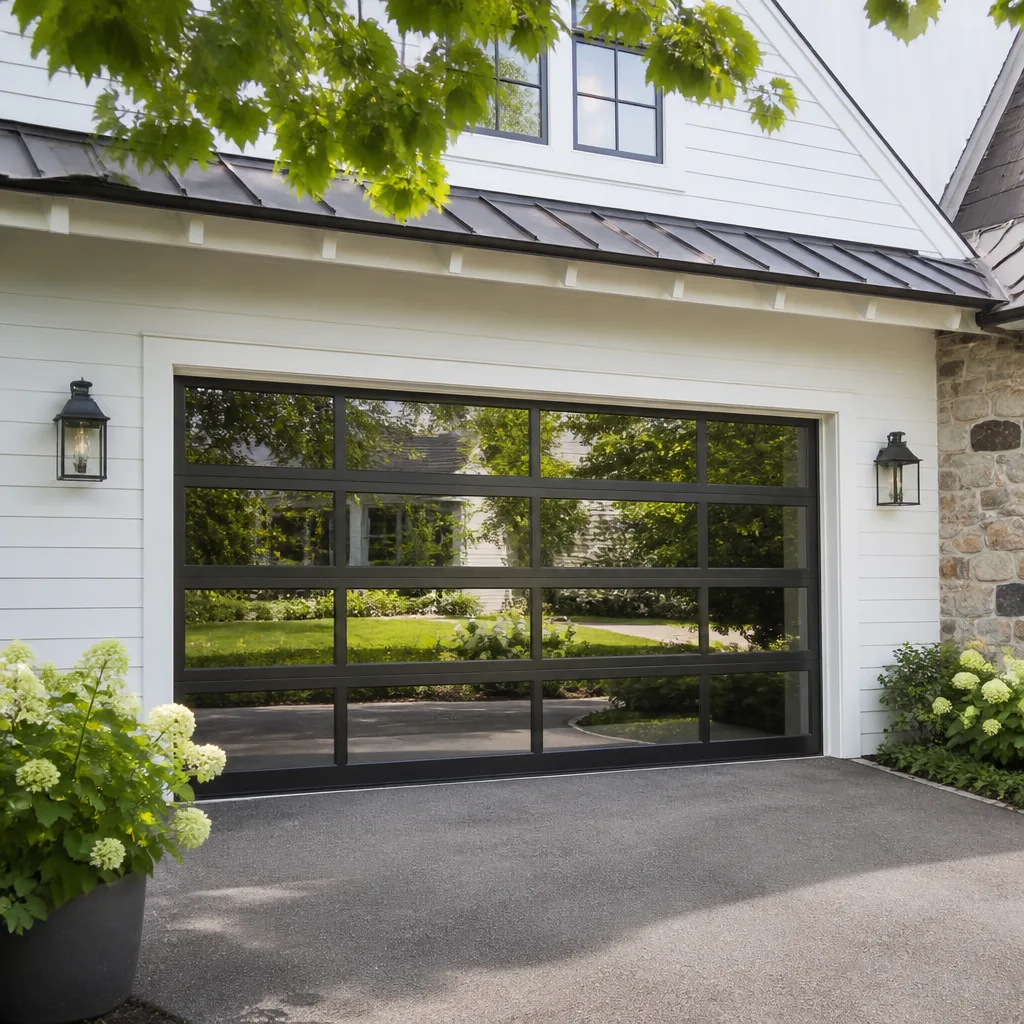 Full-view glass
 LiftMaster openers
 Chamberlain openers
Full 25-point door and opener safety check with every visit - springs, cables, rollers, tracks, and your LiftMaster or Chamberlain opener included
You get a price before we start. It does not change when the pro arrives.
Get your free estimateGarage Door Permits, Codes & Inspections in Woodbridge Township, NJ: What You Need to Know
Most Woodbridge Township homeowners figure a garage door is like a screen door: if you’re replacing it, the work is yours to arrange and nobody from the township needs to know about it. That assumption is wrong more often than people realize, and the gap between repair and alteration is where the trouble lives. A permit isn’t about paperwork for its own sake. It creates a record. When an attached garage involves a fire-rated separation between the house and the door, that record is what a buyer’s inspector, a lender’s appraiser, and an insurance adjuster all go looking for. This guide walks through how the New Jersey Uniform Construction Code treats garage doors, what crosses the line from repair into permitted alteration, what the inspector looks at, what to do about work that was already done without a permit, and how an unpermitted door can surface years later at exactly the wrong moment.
Quick Answer
In Woodbridge Township, replacing a garage door assembly (door, tracks, and hardware as a complete unit), cutting or changing any structural component of the opening, or swapping the garage door opener motor as part of a reconstruction project can require a building permit under the New Jersey Uniform Construction Code. Straightforward repairs like a spring change, opener tune-up, roller or cable replacement, or a panel swap usually do not. When in doubt, the answer is a phone call to the Woodbridge Township Building Department, because the classification depends on the scope of the work, not on what the job is called.
Styles & brands we work with
- Raised-panel steel
- Carriage house
- Modern flush
- Full-view glass
- LiftMaster openers
- Chamberlain openers
Table of Contents
- Repair or Alteration? Where Woodbridge Township Draws the Line
- How the NJ Uniform Construction Code Applies to Garage Doors
- What the Inspector Physically Checks
- Fire-Rated Doors for Attached Garages: The Item Homeowners Miss
- You Already Replaced Your Door Without a Permit? Here’s What to Do
- How Unpermitted Work Affects Insurance and a Home Sale
- Step by Step: How the Permit Process Usually Goes
- What to Ask Before Any Contractor Touches Your Door
Repair or Alteration? Where Woodbridge Township Draws the Line
The single most useful question you can ask about any garage door job is a boring one: is this a repair or an alteration? Under the New Jersey Uniform Construction Code, a repair restores a door that already exists and is already compliant. An alteration changes something structural or changes the scope of the assembly, and that’s the category that typically needs a permit and an inspection.
Here’s how the line usually falls in practice for the kinds of homes we see around Woodbridge Township, from the older streets near the downtown toward the newer construction out by the Iselin and Port Reading sections:
- Usually no permit: replacing torsion or extension springs, swapping rollers, hinge replacement, cable replacement, opener repair, opener tune-up, re-engaging a door that jumped its tracks, replacing a single damaged panel with the same panel type.
- Usually requires a permit: replacing the entire door assembly including a new track and mounting system, enlarging or modifying the rough opening, changing the header or framing, converting a manual door to an opener-driven door with new wiring, or a full reconstruction where the opener motor is installed as part of the project.
- Genuinely ambiguous: replacing one door with a different size, changing from a single door to a wider model, or moving the opener’s mounting position. These get a call to the Building Department before anyone orders the door.
Motor replacement on its own is a gray area. A straight swap of a dead opener for a new one of comparable weight rating is usually treated as a minor repair. But if the new opener requires new electrical work or a modified mounting point, that changes the analysis. In North Jersey’s older housing stock, garage doors often hang over structural framing that wasn’t designed for what’s on it today. A permit creates a second set of eyes on exactly that. And if your current door has a failing spring, the fix is separate from any permit question. See garage door spring repair for the safety-critical side of that.
How the NJ Uniform Construction Code Applies to Garage Doors
The New Jersey Uniform Construction Code is the state-level building code that every municipality, including Woodbridge Township, enforces through its local construction official. For garage doors, the code touches three things: structural attachment, safety devices, and in attached garages, fire separation from the house.
What that actually means for a homeowner planning a replacement:
- The opening is structural. The door hangs from a header and tracks anchored to framing. If the replacement involves new brackets, new lag points, or a wider track stance, the code looks at whether the framing can carry the load, not just whether the door opens and closes.
- Safety devices are checked. An opener-driven door needs a functioning safety reverse and, where equipped, a photo-eye system that stops the door on obstruction. The inspector confirms these work, because a door that closes on a person or a pet is the failure mode the code exists to prevent.
- Fire separation is a residential requirement, not an optional upgrade. More on this below, because it’s the item that most often surprises people.
- Installation must follow the manufacturer’s instructions. Modern code and inspection practice treat the factory installation manual as part of the requirement. Bolting a door on differently than Clopay or Wayne Dalton specifies creates a code problem even if the door works.
If you’re in the middle of a repair rather than a replacement, garage door repair goes through the same code questions but usually resolves without a permit because the existing assembly and its prior approval aren’t being changed.
What the Inspector Physically Checks
The inspection is not a cosmetic review. It’s a checklist of safety and structural items, and any one of them can hold up your certificate of approval until it’s corrected. Here’s what typically gets looked at on a garage door inspection in Woodbridge Township:
- Mounting and attachment. Are the tracks and hinges fastened properly to framing that can carry the door’s weight, with the correct fasteners at the correct spacing? Are there signs of a mount that was improvised?
- Balance and operation. Does the door balance through its travel, and does it stay in position without dropping? A door that falls on its own is a code and safety concern.
- Safety reverse (where an opener is installed). The inspector tests the reverse on obstruction. If a new opener was part of the permitted scope, its adjustment is verified.
- Photo-eye or light-beam system. If the opener uses one, does it trip the door correctly when the beam is broken?
- Fire separation at the attached garage. Is there a fire-rated or equivalent separation between the garage and the living space, and does the door and its framing maintain it as installed?
- Labeling and documentation. The door and opener should carry their manufacturer labels so the inspector can confirm the assembly was installed as manufactured and as approved.
- Electrical work on the opener circuit. If a new opener required new wiring, that portion is inspected by the electrical subcode official for a separate sign-off.
In our experience, most inspection failures come down to one of two things: an opener that wasn’t properly adjusted after install, or a door that was mounted to framing that wasn’t checked first. Both are fixable, but they cost a reinspection and a delay. If your opener is the problem rather than the door itself, that’s a separate page: garage door opener repair.
Fire-Rated Doors for Attached Garages: The Item Homeowners Miss
This is the section to read twice if your garage is attached. The garage-to-house wall and door separation is a fire-safety feature, and New Jersey residential code treats the attachment between an attached garage and a dwelling as something that must resist fire and smoke spread. If your garage sits under a bedroom, or shares a wall with a hallway or kitchen, the separation matters even more.
What homeowners often get wrong:
- Assuming any door will do. The separation between the garage and the house isn’t just about the garage door. The service door from garage to house and the wall assembly are part of the same fire separation, and each has its own requirements.
- Replacing a fire-rated door with a non-rated one. A replacement door that doesn’t carry the right rating for that location is a code problem, and it’s a real safety issue. If a fire starts in the garage, this door is the barrier that gives the household time to get out.
- Missing the label. Rated doors carry a label confirming the rating. The inspector wants to see it. A replacement without the right label can fail inspection on the spot.
- Assuming the garage door itself is fire-rated. The overhead garage door is not usually the rated component in the separation; the wall and service door are. The confusion is common, and it’s the reason so many Woodbridge Township replacements get delayed when the contractor and the homeowner want different things.
If your home was built decades ago and nobody is certain what the original separation actually was, a licensed pro can take a look before you replace anything. Fire-rated separation is not a place to guess.
You Already Replaced Your Door Without a Permit? Here’s What to Do
This happens a lot, and it’s fixable. If a garage door replacement was done without a permit, or exists without any documentation, you can usually pursue a retroactive approval through the Woodbridge Township Building Department. The process varies, so confirm the current steps with the township, but it generally follows a predictable outline:
- Get the facts together first. What was done, when, and what documentation exists? Manufacturer labels, receipts, the installing contractor’s name, and the hardware specs all help.
- Call the Building Department. Explain the situation honestly and ask what classification the township puts the completed work under and what they need to process it. Ask about the fee schedule at the same time.
- Expect a plan review and an inspection. The completed work will be evaluated against the applicable code. If the installation is compliant, the inspection usually passes and the record becomes official.
- Fix what isn’t compliant. Safety reverse not working, wrong hardware, improper mounting, or a missing fire-rated component can all become corrections. A licensed garage door specialist can usually identify and correct these before the inspection.
- Keep the records. The certificate of approval, the manufacturer documentation, and the inspection paperwork all belong with your closing documents.
On cost: the fee for a retroactive permit is a township fee, and the exact number depends on the classification and current fee schedule. What people should know is that the cost of a retroactive permit plus corrections is usually a fraction of what a delayed closing or a claim dispute will cost you later. If the door also has a repair problem on top of the paperwork problem, see Garage Door Repair Woodbridge Pros and we’ll sort that out alongside the compliance question.
How Unpermitted Work Affects Insurance and a Home Sale
A permit is not just paperwork. It’s a recorded fact that the work was inspected when it was done. When that record doesn’t exist, two things can go wrong years later.
On a home sale. Buyer’s inspectors flag unpermitted improvements as open items. A code compliance question on a garage door can turn into a buyer’s contingency, a renegotiation, or a delayed closing while the seller obtains a retroactive approval. In a Woodbridge Township market where attached garages are standard, a walk-through with a sharp inspector can raise the question at exactly the wrong time.
On a claim. After a garage-related loss (a fire that started in the garage, water intrusion through the opening, a door that failed and damaged a vehicle), an insurance adjuster will look at the cause and at whether the construction involved was properly permitted. Insurance coverage is governed by the policy, not by what any contractor tells you, so read your policy and talk to your agent about how unpermitted work is treated. The general rule of thumb: work done properly and inspected sits in a much stronger position than work with no record at all. If a claim has already been filed or you’re worried about how a claim might be treated, an honest conversation with your insurer matters more than anything a contractor can say.
If a door was installed by a company that has since closed and left no documentation, you’re not stuck. You can still pursue a retroactive approval and have a clean record going forward. What you can’t fix is a claim that’s already been denied. Get the paperwork in order before that becomes the issue.
Step by Step: How the Permit Process Usually Goes
Here’s the practical flow. The specifics will vary, always confirm current Woodbridge Township requirements with the Building Department, but this is the rough shape of a permit-and-inspect garage door replacement.
- Determine the classification. Confirm with the township whether your project is a repair or an alteration. This decides whether you need a permit at all.
- Get drawings or manufacturer specs. Most permit applications need the door model, the opener model if applicable, the hardware specs, and the installation method. The door manufacturer’s instructions are the reference document, which is why working with a brand the installers know matters.
- Submit the application and pay the fee. Fee depends on the township’s current schedule and the scope.
- Schedule the installation. Once the permit is issued, the work can go in. Get the brand and model right. On a Wayne Dalton or a Raynor replacement, the installation manual is what the inspector will check against.
- Call for the inspection. After install, the township inspector visits and works through the checklist above.
- Correct and reinspect if needed. If the inspector flags the safety reverse, the mounting, or anything else, it gets corrected and reinspected.
- File the certificate of approval. That document is the record that matters when you sell or file a claim.
If the opener is part of the project and it’s a LiftMaster or a LiftMaster-made Chamberlain unit, make sure the photo-eye and safety reverse are adjusted before the inspection. It saves a trip. If the door is being installed by a company that only does doors, they’ll already know these checkpoints. If it’s being installed by a general handyman, they often won’t.
What to Ask Before Any Contractor Touches Your Door
The right questions up front cut down on problems at inspection time. Ask all of them, and be cautious of anyone who dodges the permit question entirely.
- “Is this a repair or an alteration, and does it need a permit?” A specialist will answer without hesitation. A generalist will often say “you don’t need a permit for a garage door,” which is not universally true.
- “Which manufacturer’s installation instructions will the installation follow?” If they can’t tell you the door’s make and spec, that’s a warning sign. We work on the brands that are already in Woodbridge Township garages and know their installation requirements: LiftMaster, Chamberlain, Genie, Clopay, Amarr, Wayne Dalton, Craftsman, Raynor.
- “Will the fire separation at my attached garage stay intact?” On any replacement, ask this out loud. It catches one of the most commonly missed items.
- “Will you provide the permit documentation and the certificate of approval?” If the contractor handles the permit, the paperwork belongs in your file. If it doesn’t, ask why not.
- “What’s the spring and opener setup, and does the new door’s weight match the existing opener’s rating?” A mismatched opener is a real safety and inspection problem.
Compliance isn’t the only thing to sort out before the door goes in. Brand selection, opener compatibility, and whether the door is even the right size for the opening all matter. Those questions live in the installation side of the work and don’t overlap much with the permitting side.
Common Mistakes to Avoid
- Assuming garage door work never needs a permit. Many small repairs don’t. A full door assembly replacement and any structural change to the opening often do. Confirm the classification before you buy.
- Replacing a fire-rated garage-to-house door with a non-rated one. This is a code and safety failure. If the service door between your attached garage and your house has a rating label, that rating has to be preserved on the replacement.
- Letting a general handyman install a full door assembly. Garage doors are high-tension mechanical assemblies. A generalist can leave you with a door that works but fails inspection, or worse, a spring that fails. It’s a specialist’s job.
- Skipping the opener adjustment after install. A new opener without a properly set safety reverse fails inspection. In older Woodbridge Township neighborhoods, where doors have been replaced more than once, this is the most common correction.
- Doing the work without permission because “it’s an emergency.” Emergency service to get a failed door working again is a repair, and repairs generally aren’t the problem. The permit question arrives when the replacement happens. Keep the two straight and you’re fine.
- Not keeping the certificate of approval. If a permitted installation is done and inspected and you can’t produce the paperwork, you’re in the same position as work done with no permit. Keep the docs with the house file.
- Assuming the last contractor handled it. Some installers handle the permit. Some don’t. Ask, and get an answer in writing.
See the difference
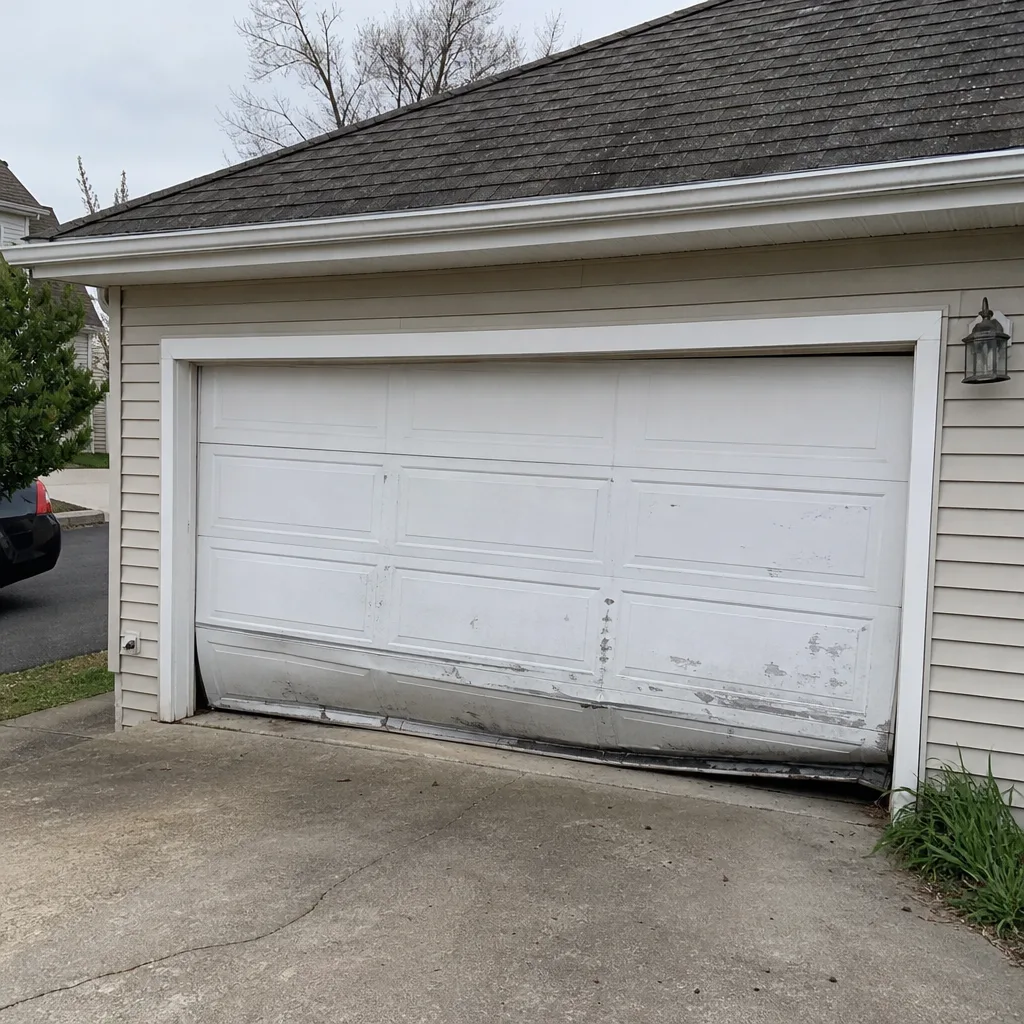 Before
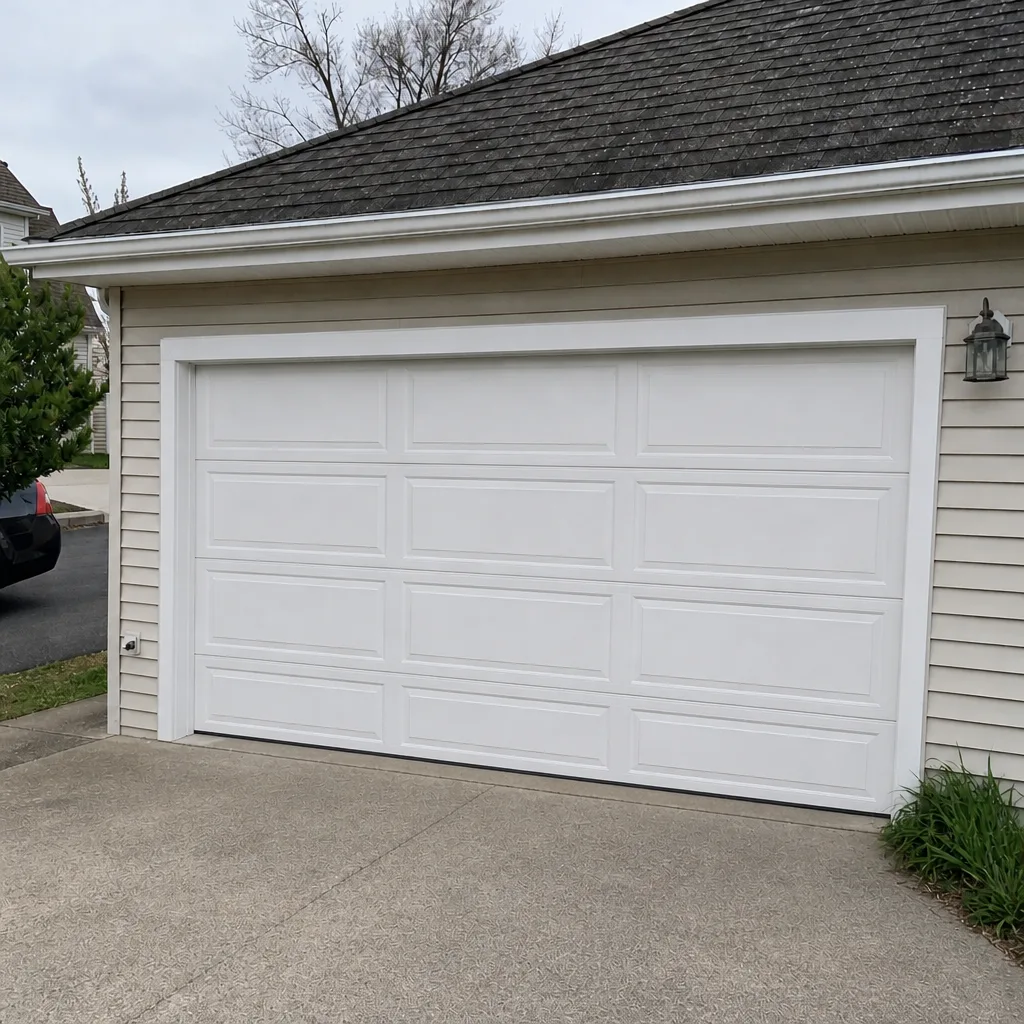 After
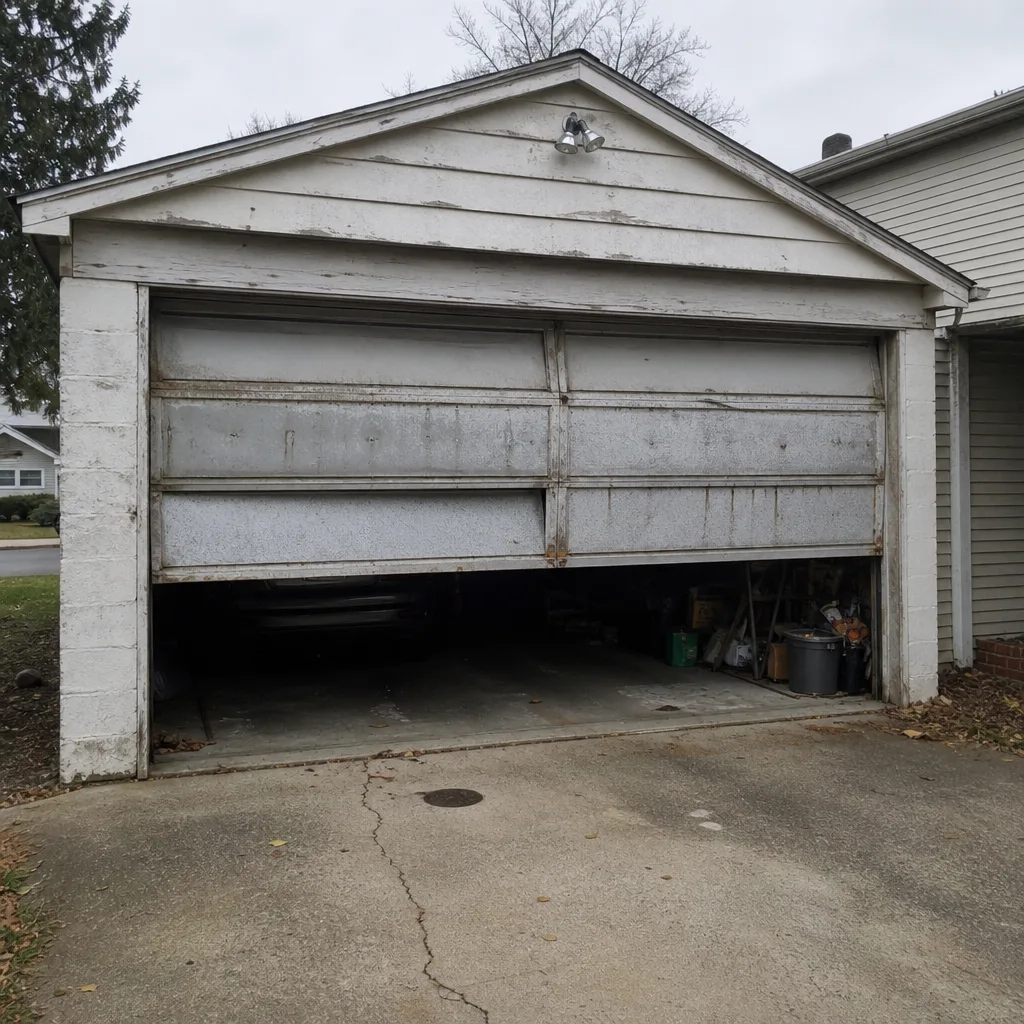 Before
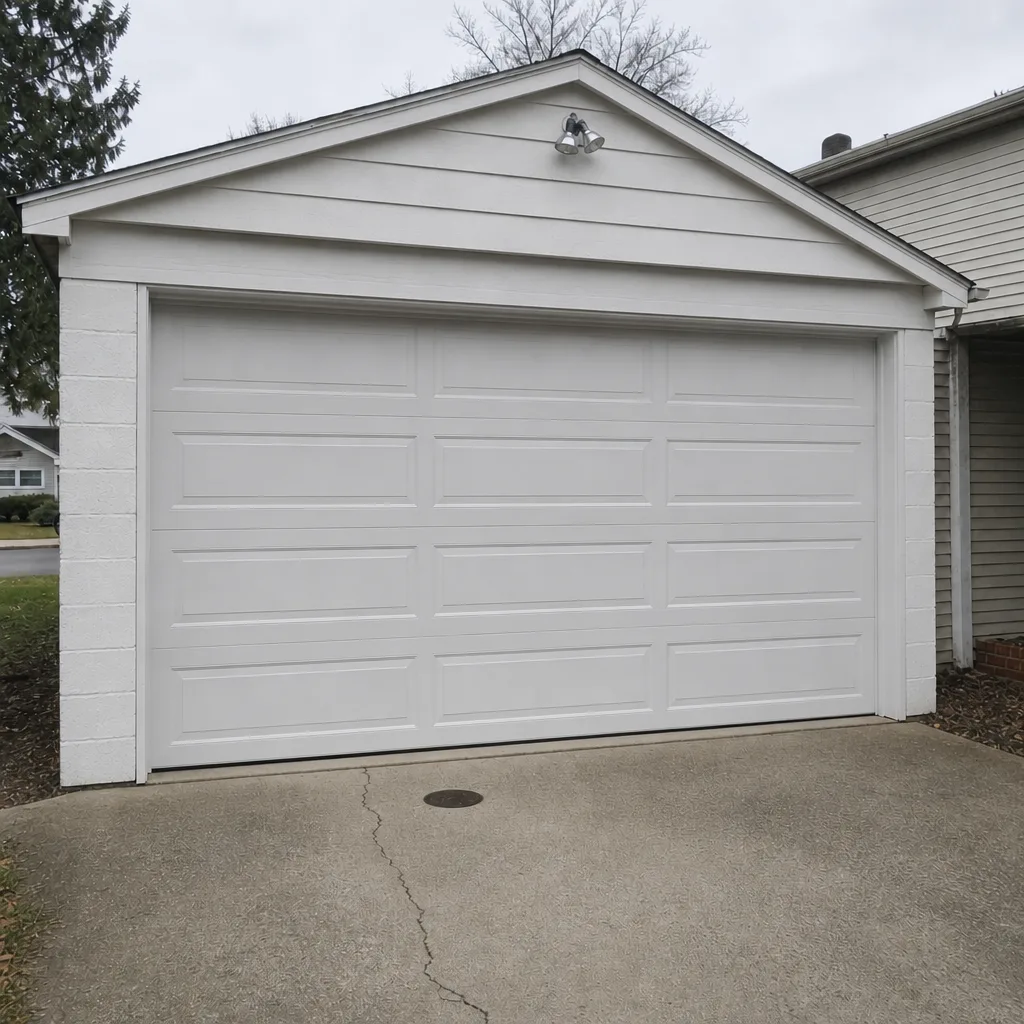 After
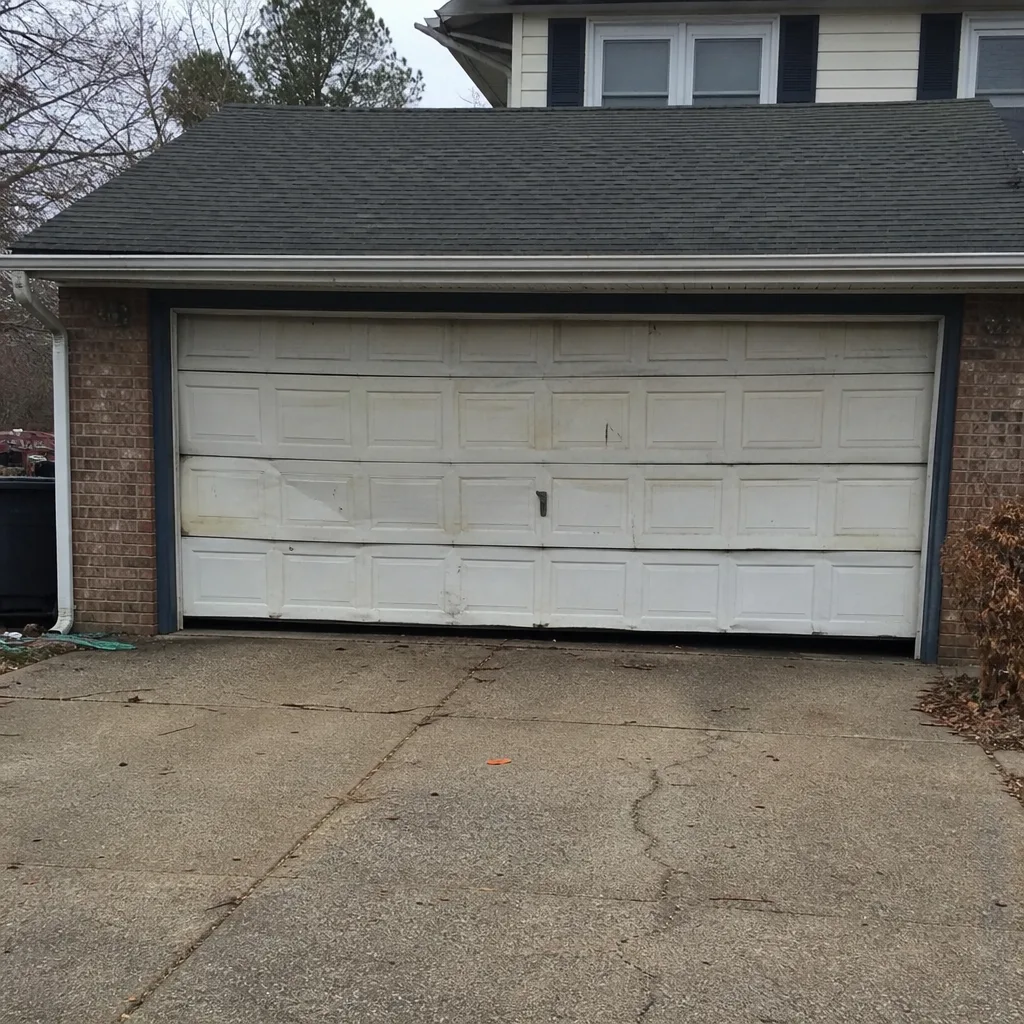 Before
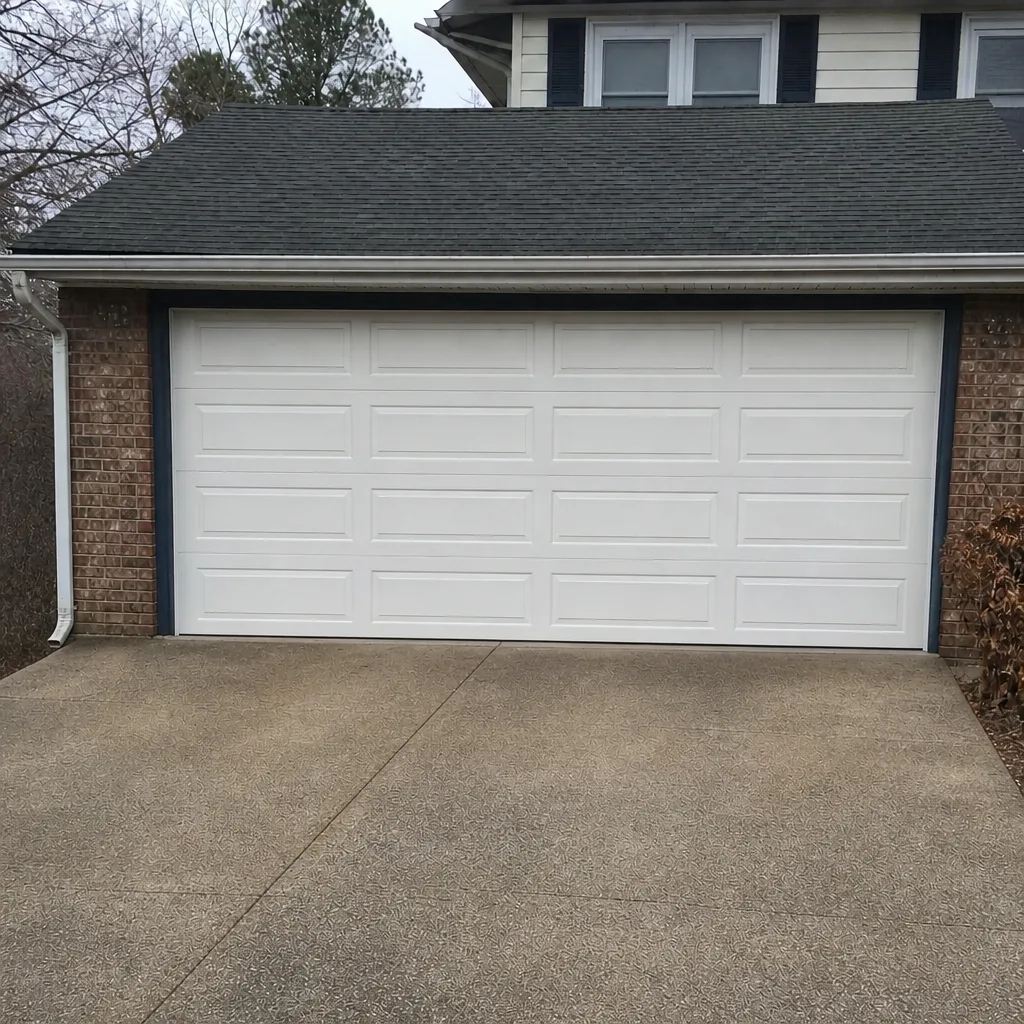 After
When to Call a Professional
Some of what’s covered here you can sort out with a phone call to the township. Some of it needs a trained eye on the hardware. Call a garage door specialist when a spring has snapped, when the door has come off its tracks, when a new opener is being considered for an older door, when the fire separation around an attached garage is unclear, or when a permit inspection has raised a correction you aren’t sure how to fix. High-tension springs and cable work are genuinely dangerous and shouldn’t be attempted without the right tools and training, and the same goes for any door that needs to be re-hung. Garage Door Repair Woodbridge Pros offers free estimates in Woodbridge Township. Call (866) 774-1757.
Frequently Asked Questions
Often yes. A full garage door assembly replacement, any structural change to the opening, or a full reconstruction featuring a new opener motor can require a building permit under the New Jersey Uniform Construction Code, while a straight repair (springs, rollers, cables, a tune-up, a panel swap) usually does not. The classification depends on the scope of the work, so the safest answer is to confirm with the Woodbridge Township Building Department before you order the door. Call (866) 774-1757 for a free estimate and we can talk through what your specific replacement involves.
A repair restores a door that already exists to its prior condition, and an alteration changes something structural or changes the scope of the assembly. Replacing a torsion spring or a roller is a repair. Replacing the entire door with a new track and mounting system is usually an alteration. The distinction matters because alterations are usually what trigger the permit and inspection process. If you can’t tell which category your job falls into, that’s a Woodbridge Township Building Department call, not a guess.
It can. A buyer’s inspector may flag unpermitted improvements and a closing can be delayed while you obtain a retroactive approval, and an insurance adjuster may look at whether the construction was properly permitted when evaluating a claim. Insurance coverage is governed by your policy, so talk to your agent about how unpermitted work is treated. Getting the paperwork in order before you sell or file a claim is much easier than sorting it out during a deadline. Call (866) 774-1757 for a free estimate on any corrections the door needs.
Call the Woodbridge Township Building Department, explain what was done and when, and ask what they need to process a retroactive approval. The process varies by township and by classification, but it generally involves a plan review, an inspection of the completed work, corrections for anything non-compliant, and a fee. The final certificate of approval is the document that matters for a future sale or claim. If corrections are needed on the hardware side, call (866) 774-1757 for a free estimate.
The inspector checks the mounting and attachment to framing, the door’s balance and operation, the safety reverse on any opener, the photo-eye system if one is installed, the fire separation between an attached garage and the house, the manufacturer labels, and any electrical work done for a new opener. The inspection is a safety checklist, not a cosmetic review. Most corrections we see come down to opener adjustment or a mount that wasn’t checked against the framing first.
The fire separation between an attached garage and the dwelling is required, and it typically involves the wall assembly and the service door from garage to house more than the overhead door itself. That’s the part homeowners often miss: it’s the service door and the wall, not the overhead door, that carries the rating, and replacing a rated service door with a non-rated one is a code and safety failure. Confirm the specifics with the Woodbridge Township Building Department before replacing anything in that separation. Call (866) 774-1757 for a free estimate on any door work.
The Bottom Line
Garage door permitting in Woodbridge Township comes down to one question: is the job a repair or an alteration? Repairs almost never need a permit. Full replacements, structural changes, and full reconstructions usually do. Fire separation at an attached garage is a residential requirement and not an optional upgrade, and it’s the item most often overlooked. If you already replaced a door without a permit, a retroactive approval is achievable and worth doing before a sale or a claim. When the hardware side needs sorting out, Garage Door Repair Woodbridge Pros offers free estimates in Woodbridge Township. Call (866) 774-1757.
Written by the team at Garage Door Repair Woodbridge Pros.