Last updated November 23, 2026
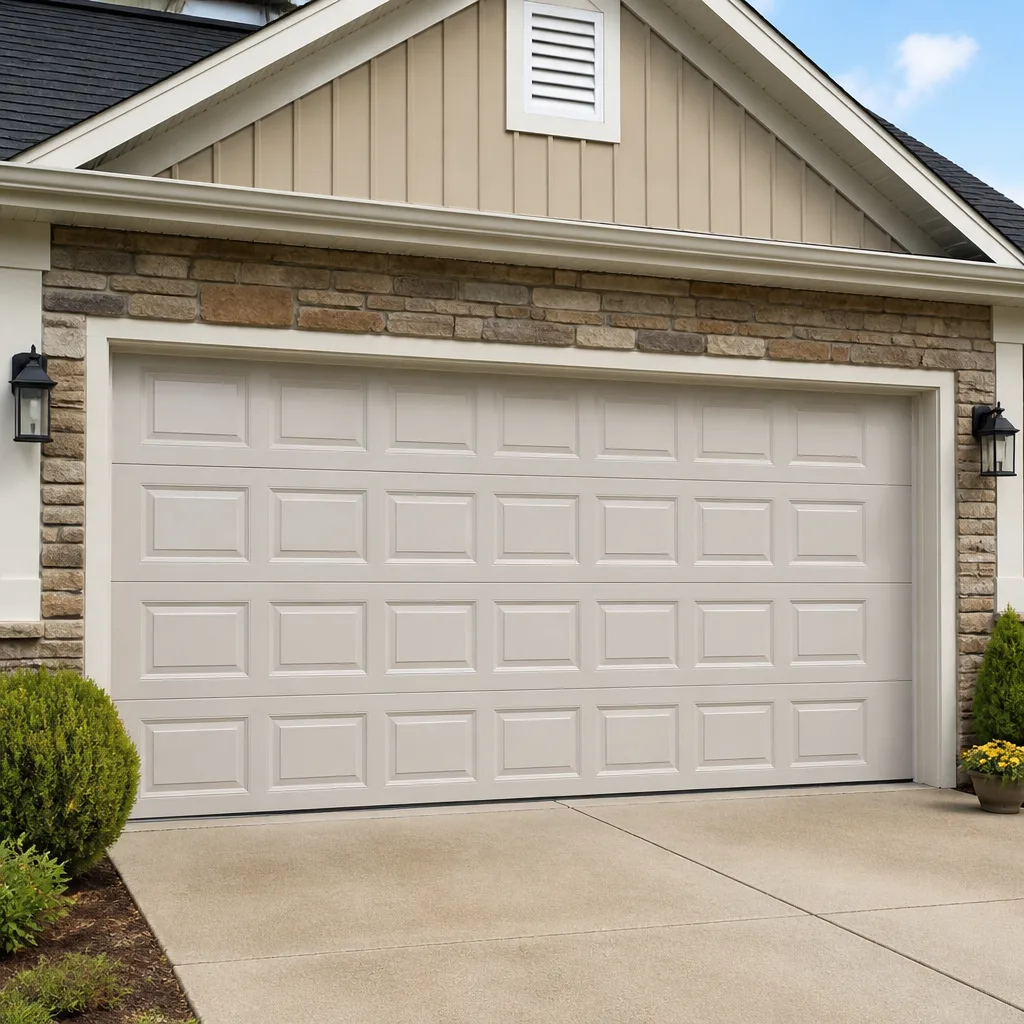 Raised-panel steel
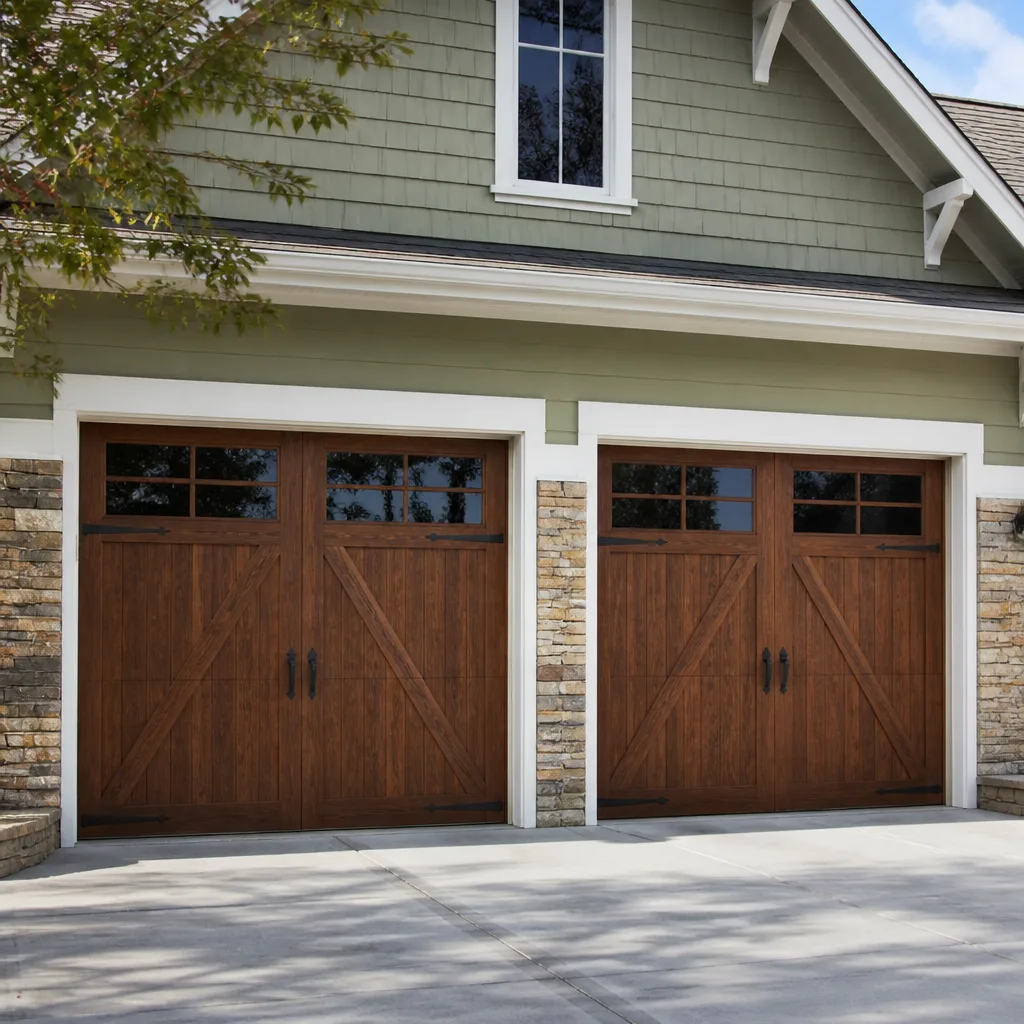 Carriage house
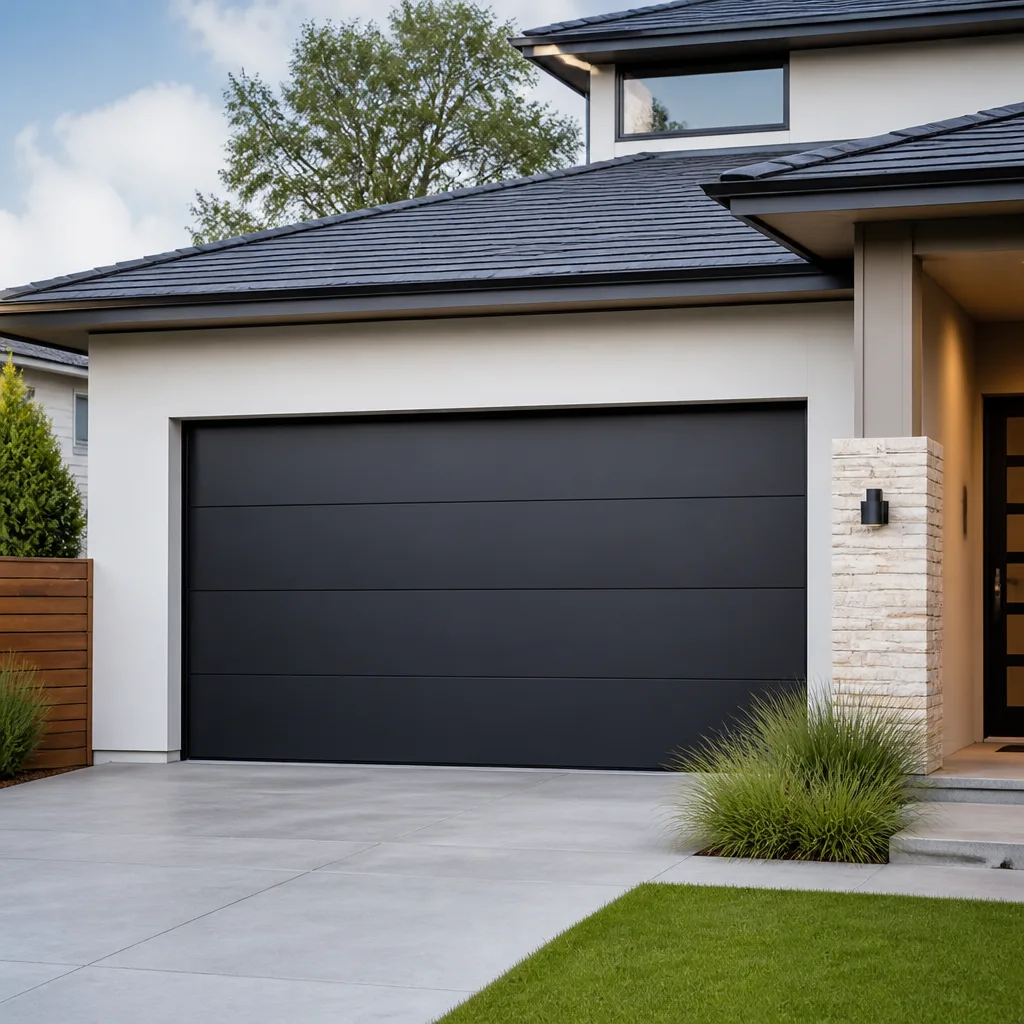 Modern flush
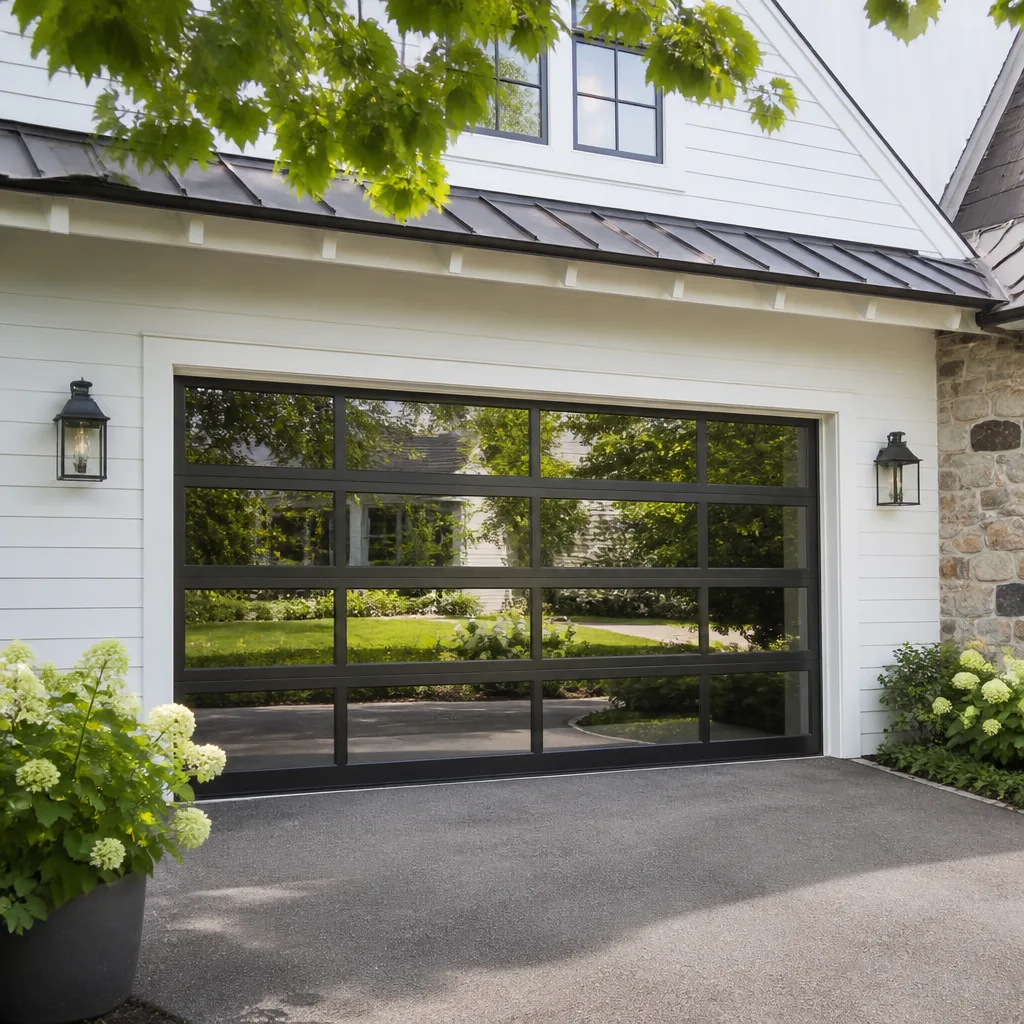 Full-view glass
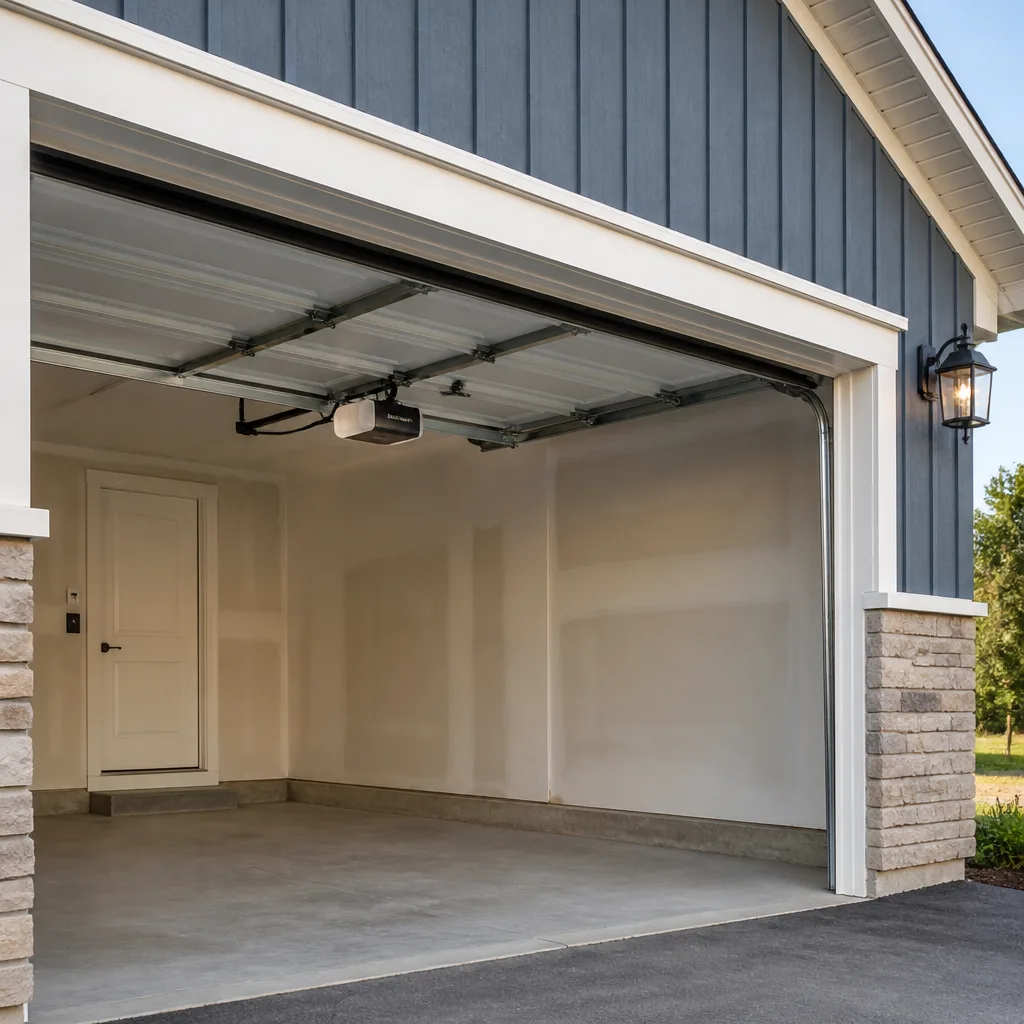 LiftMaster openers
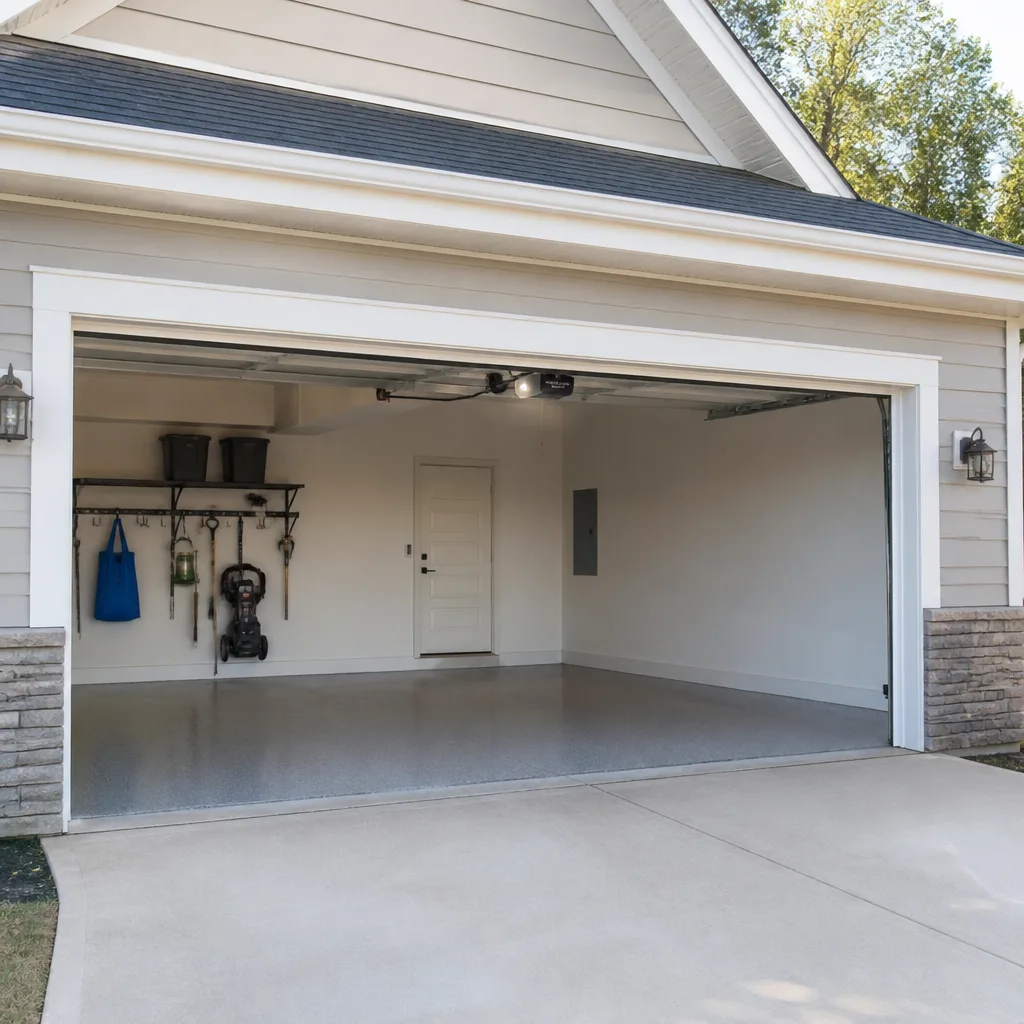 Chamberlain openers
Full 25-point door and opener safety check with every visit - springs, cables, rollers, tracks, and your LiftMaster or Chamberlain opener included
You get a price before we start. It does not change when the pro arrives.
Get your free estimateGarage Door Repair Maintenance Checklist for Woodbridge Township Homeowners
Spraying WD-40 on your garage door springs is one of the most common homeowner mistakes we hear about in New Jersey, and it does real damage. That thin solvent strips the lubricant coating that actually protects a torsion spring from moisture, which speeds up corrosion on a part that’s already under constant tension. The right product is a lithium-based grease, and that’s just the first thing most online checklists get wrong. In this guide, we’ll walk through a maintenance checklist built around how doors actually fail in Woodbridge Township: which tasks you can safely handle yourself, which ones belong to a trained technician and why, the lubrication points that matter through our humidity swings, and how to keep a service log that protects your resale value.
Quick Answer
A garage door in Woodbridge Township needs lubrication every four to six months, a visual inspection of springs, cables, rollers and tracks once a month, and a professional tune-up roughly once a year or every 10,000 open-and-close cycles. Spring, cable and opener-gear work is technician-only territory. Everything else on this checklist, you can do yourself with a rag, a can of lithium grease and ten minutes.
Styles & brands we work with
- Raised-panel steel
- Carriage house
- Modern flush
- Full-view glass
- LiftMaster openers
- Chamberlain openers
Table of Contents
- Why Most Garage Door Checklists Get Woodbridge Township Homes Wrong
- The Owner-Safe Tasks: What You Can Do Yourself
- Lubrication Done Right: Products, Points and Timing for NJ Humidity
- The Visual Inspection Sequence: Catch the Top Five Failure Precursors
- Technician-Only Tasks: Springs, Cables and Why You Stop There
- How Often Your Woodbridge Township Door Actually Needs a Pro Tune-Up
- Opener Maintenance: Belt, Chain and Smart-Home Units
- Your Maintenance Log: The Document That Pays for Itself
Why Most Garage Door Checklists Get Woodbridge Township Homes Wrong
Most garage door maintenance advice floating around the internet was written for a mild, dry climate and a door that opens twice a day. Neither matches Woodbridge Township. Our summers run humid enough that condensation forms on cold metal in an attached garage, and our winters swing between freeze and thaw often enough that anything holding moisture against steel will start to pit. Add the fact that many homes here use the garage as the primary entry point, and a door that opens and closes six, eight, ten times a day, and the maintenance calendar shifts considerably.
The second problem with generic checklists is that they blur the line between what a homeowner can safely do and what requires a trained hand. Telling someone to “lubricate the springs” without explaining that a torsion spring stores enough energy to break bones is at best unhelpful and at worst reckless. Our whole approach is different: we organize tasks by difficulty, so you know exactly where your involvement stops.
We work on garage doors only, not as one trade among many, and that single-trade focus shapes how we think about maintenance. A general handyman who “also does doors” tends to miss the failure patterns specific to a Wayne Dalton or a Raynor because those patterns live in the tolerances and parts of each brand. Our technicians have up to 14 years of experience and are factory-trained on the eight major brands, so we know what a door is telling us long before it fails.
The Owner-Safe Tasks: What You Can Do Yourself
Roughly 70 percent of a garage door maintenance checklist is safe for a homeowner with basic tools. These tasks don’t involve stored energy, and getting them right extends the life of the door and the opener. Here’s what belongs in your hands:
- Wipe down the door panels with a mild soap solution a few times a year, especially on south-facing doors that take the most sun. This removes pollen, road grime and the film that holds moisture against the finish.
- Test the balance of the door. Disconnect the opener (pull the release cord), lift the door halfway, and let go. A balanced door stays put. One that drifts down or slams up needs a technician.
- Test the safety reverse. Place a two-by-four flat on the ground under the door and close it. The door should reverse on contact. Do this monthly, and again after any adjustment.
- Inspect and clean the tracks with a damp rag. Don’t lubricate the tracks themselves with grease; that attracts grit. A light spray of silicone on a clean cloth wiped along the inside is enough.
- Check the weather seal along the bottom for cracks or tears. A failing bottom seal lets water and cold air into the garage, and in Woodbridge Township that means a wet floor all winter.
- Tighten the hinge and bracket bolts you can reach with a socket set or wrench. Vibration loosens them over time; snug is enough, don’t overtighten.
- Clear the photo-eye lenses at the base of the tracks. A cobweb or a leaf can trip the safety sensor and leave you thinking the opener has failed when it hasn’t.
If a task isn’t on this list, it isn’t a homeowner task. The distinction matters, and we’ll explain exactly why in the technician-only section below.
Lubrication Done Right: Products, Points and Timing for NJ Humidity
Lubrication is where Woodbridge Township’s climate and the average homeowner’s habits collide. Our swings between humid summers and cold, wet winters mean metal parts see more moisture than they would in a drier region. The right products, applied to the right points, keep that moisture from turning into rust and keep moving parts from grinding.
The Right Products
Lithium-based grease or a purpose-made garage door lubricant is the standard for hinges, rollers and bearing plates. White lithium spray works well because it goes on thin and thickens as the carrier evaporates, leaving a protective film. Silicone spray is the right choice for the tracks and for nylon rollers. What you should not use is WD-40 as a lubricant. It’s a solvent, not a grease, and on springs it strips the factory coating that keeps rust at bay.
The Points That Matter
- Hinges: one short burst at each hinge pivot, then work the door up and down a few times to spread it.
- Rollers: a drop on the stem of each roller, not on the wheel itself. Nylon rollers need less than steel ones.
- Bearing plates: the metal plates at each end of the torsion shaft. A small amount goes a long way.
- Springs: a light coat of lithium grease along the coils, never WD-40. This is the one spring-related task that’s homeowner-safe, because it involves no disassembly and no tension.
- Lock and handle: if your door has one, a few drops of light oil keeps it working through a cold snap.
How Often
Every four to six months is the right rhythm for a Woodbridge Township door. That means twice a year for most homes, and three times a year if your garage is unheated and sees heavy condensation, or if the door faces the weather. If your door is a LiftMaster or Chamberlain system with a lot of daily cycles, err toward the shorter end. If you want a technician to handle the spring and bearing-plate lubrication along with a full inspection, our garage door spring repair team can walk you through what’s safe to leave to us.
The Visual Inspection Sequence: Catch the Top Five Failure Precursors
A monthly five-minute walk-around catches the vast majority of problems before they turn into an emergency call. The key is doing it in the same order every time so nothing gets skipped. Run this sequence once a month, in daylight, with the door closed:
- Look at the door’s stance. Stand back and check whether the door sits level in the frame. A gap at one corner means the door is out of balance or a spring is losing tension.
- Scan the springs. You’re looking for a visible gap in the coil, which means a broken spring, but also for rust streaks, which signal moisture and a failing coating. Springs are a leading cause of emergency garage door service calls, and a rust line is the earliest warning you’ll get.
- Follow the cables. The two steel cables run from the bottom corners up to the drum at the top. Look for frayed strands, kinks, or cable that’s come off the drum. A frayed cable is a technician call, not a wait-and-see.
- Check the rollers. Each roller should sit fully in its track, and the wheel should spin freely. A roller that’s popped out or is grinding means one side of the door is dragging.
- Look at the tracks. The vertical and horizontal tracks should be straight, with no dents or gaps at the joints. A bent track is often the first sign of a door that’s been hit, and it will drag the door off line.
If any of those five checks turns up a problem, note it and call. Catching a rusted spring or a frayed cable before it lets go is the entire point of the monthly walk-around. For the day something does fail, our garage door repair team handles both the diagnosis and the fix, and the price is quoted and agreed before any work starts.
Technician-Only Tasks: Springs, Cables and Why You Stop There
Here’s the line most checklists don’t draw clearly. Torsion and extension springs, cables, drums, bottom brackets and the opener’s internal gears are technician-only. The reason is stored energy. A torsion spring on a standard residential door holds hundreds of pounds of tension even when the door is closed, and releasing that energy without the right tools and technique can cause serious injury. Extension springs, still common on older doors, store similar energy along the horizontal tracks and can fail violently if the safety cable isn’t intact.
Cables are the same story from a load-rating angle. The cables carry the full weight of the door and are under significant tension at all times. A cable that snaps or is handled wrong can whip with enough force to break a window or damage a car. There’s no homeowner-safe way to inspect a cable beyond looking at it, and there’s no safe way to adjust one.
This is why we treat spring repair as a dedicated service rather than a side job. High-tension spring work injures DIYers and stumps general handymen, and it’s the one part of garage door maintenance where getting it wrong isn’t a matter of a door that sticks. If your inspection turns up a broken spring or a cable that’s come off the drum, stop there and call a trained professional. Our garage door opener repair service covers the opener side of the equation, and the spring and cable side gets handled separately with the right tools and the door secured first.
How Often Your Woodbridge Township Door Actually Needs a Pro Tune-Up
Calendar time is a rough proxy at best. What actually dictates a tune-up is cycle count, and cycle count is driven by how you use the door. A household that parks two cars and comes and goes all day can put a door through 3,000 cycles in a year. A retired couple who leaves once a day might do 700. The door doesn’t know it’s been twelve months; it knows how many times it’s cycled.
Here’s a practical guide for Woodbridge Township homes:
- Light use (1 to 2 cycles a day): a professional tune-up every 18 to 24 months is reasonable, with your own monthly inspection filling the gaps.
- Average use (3 to 6 cycles a day): once a year. This covers most families in town.
- Heavy use (8-plus cycles a day, multiple drivers, home with a business run from the garage): every 6 to 12 months, and we’d lean toward the shorter end.
- Older doors (15-plus years, or doors that came with the house): an annual tune-up is worth the cost even at light use, because the parts are already past their expected service life.
Beyond cycle count, certain conditions push you toward the shorter schedule: an unheated garage that condenses moisture in the spring, a door with a lot of south or west sun exposure, and any door that’s had a prior repair on the springs or cables. A pro tune-up includes a balance adjustment, roller and hinge inspection, track alignment, opener force and travel adjustment, and lubrication of the parts that are safest left to a technician. If you’re not sure whether your door is due, the tune-up is cheap compared to the alternative; call us and we’ll give you a straight answer.
Opener Maintenance: Belt, Chain and Smart-Home Units
The opener is the half of the system homeowners interact with most and understand least. A few minutes a month keeps it running, and knowing what to listen for saves you a service call.
What to Listen For
A healthy opener runs at a steady pitch with a quiet mechanical whirr. A grinding or scraping noise usually points to a worn gear or a loose chain. A clicking that repeats means the travel limits are off. A door that reverses itself immediately after closing often has a safety-sensor or force-setting issue, not a motor failure. If you hear any of those, note it and have it looked at; opener problems caught early are usually a small repair.
Belt, Chain and Screw Drive
Chain drives are the loudest and need periodic lubrication of the chain with a garage-door-specific chain lube, not grease. Belt drives run quieter and need almost no maintenance, but the belt tension should be checked once a year. Screw drives need a light coat of the manufacturer’s lubricant along the screw. If you’re not sure which yours is, read the label on the motor housing.
Smart-Home Units
If your opener is a LiftMaster or a Chamberlain in the myQ ecosystem, the maintenance is mostly digital. Check that the app still shows the door opening and closing correctly, that the battery in any wall control or remote is fresh, and that the Wi-Fi connection hasn’t dropped after a router change. If the app works but the door doesn’t, the problem is mechanical. If the door works but the app doesn’t, it’s a connectivity issue, and that’s a much cheaper fix.
Older Craftsman units still in service are worth a tune-up every year or two, since parts are still available and a well-maintained opener can run for a long time. Whatever’s in your garage, our technicians service the brand already there, from a modern smart unit to a legacy Craftsman.
Your Maintenance Log: The Document That Pays for Itself
A simple maintenance log is the least glamorous item on this checklist and one of the most valuable. When you sell a Woodbridge Township home, a documented service history tells a buyer the garage door has been cared for, which supports your asking price at a time when buyers are looking closely at every system. When a warranty claim comes up, whether on the door, the opener or a part, the log is often what separates a covered repair from an out-of-pocket one.
You don’t need anything fancy. A notebook in the garage or a note on your phone works. Log these for every task, whether you did it or a technician did:
- Date of the service or inspection
- What was done (lubrication, balance check, spring replacement, opener adjustment)
- Who did it (you, or the company name)
- Any parts replaced, with the brand and model if you have it
- Any issue noted but not yet fixed, so you don’t forget it next time
If you’ve had a technician out, keep the invoice or estimate in the same folder. When you sell, that folder goes with the house paperwork. When a part fails under warranty, that folder is your proof. When you call for service, the log tells the technician what’s already been done, which shortens the diagnosis and keeps your estimate honest. We mention it in every estimate we hand out, because a homeowner with a log makes better decisions about when to repair and when to replace.
Common Mistakes to Avoid
- Using WD-40 on the springs. It’s a solvent, not a lubricant, and it strips the coating that protects the spring from moisture. Use lithium grease instead, and only on the coils themselves, never on a disassembled spring.
- Lubricating the tracks with grease. Grease on the tracks attracts grit that wears the rollers. Clean the tracks and wipe them with a light silicone film only.
- Ignoring a door that’s out of balance. A door that drifts down on its own is telling you the springs are losing tension. Waiting for it to fail is how a routine adjustment becomes an emergency call.
- Skipping the safety reverse test. It’s the single most important safety check on the door, and it takes thirty seconds. Test it monthly and after any adjustment.
- Forcing a door that’s off its tracks. A door that’s jumped the track should be left exactly where it is. Running the opener against it bends panels and can damage the opener’s gears.
- Going years without a tune-up because “it still works.” A door that works is not the same as a door that’s safe. Springs rust from the inside, cables fray where you can’t see, and rollers wear quietly.
- Calling a general handyman for spring work. Spring repair is a specialist job. A handyman who’s never done one is at real risk of injury, and the door may not be right when he’s finished. Use a company whose focus is garage doors.
See the difference
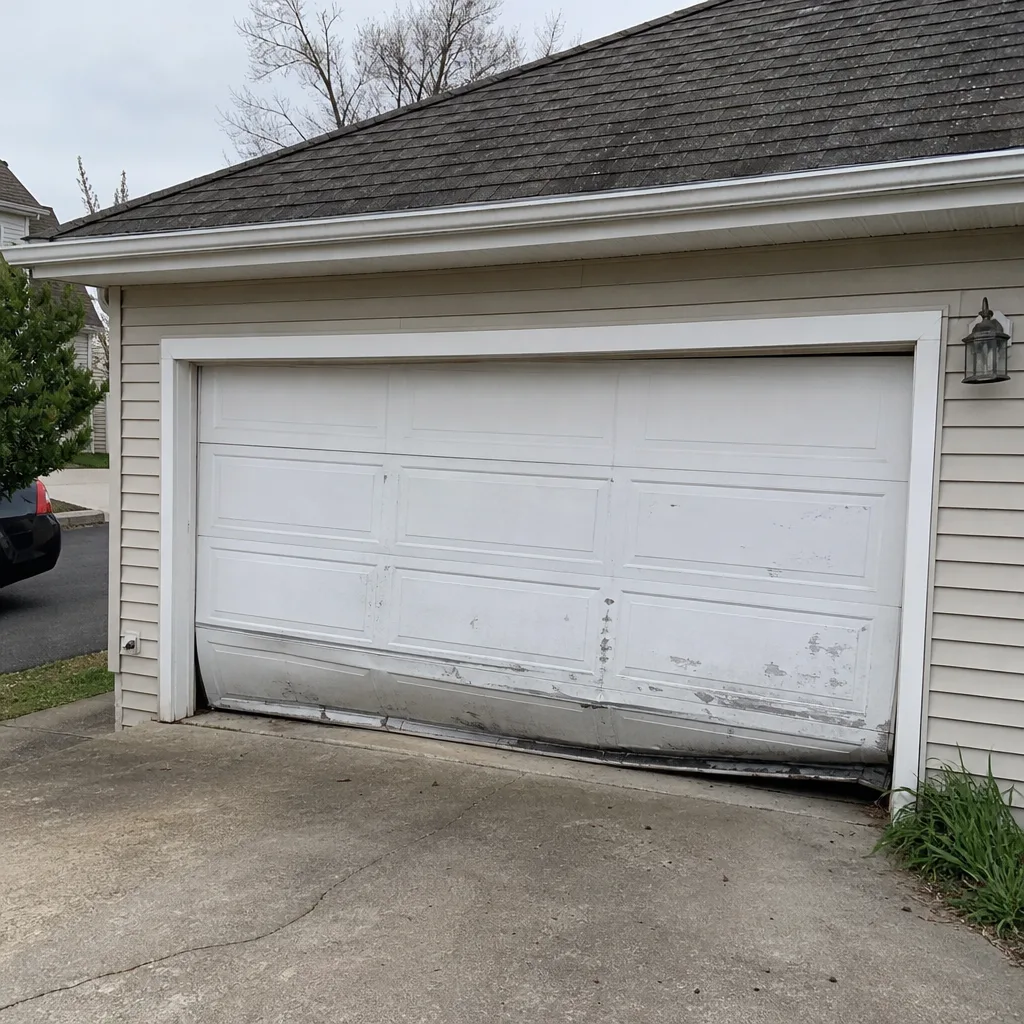 Before
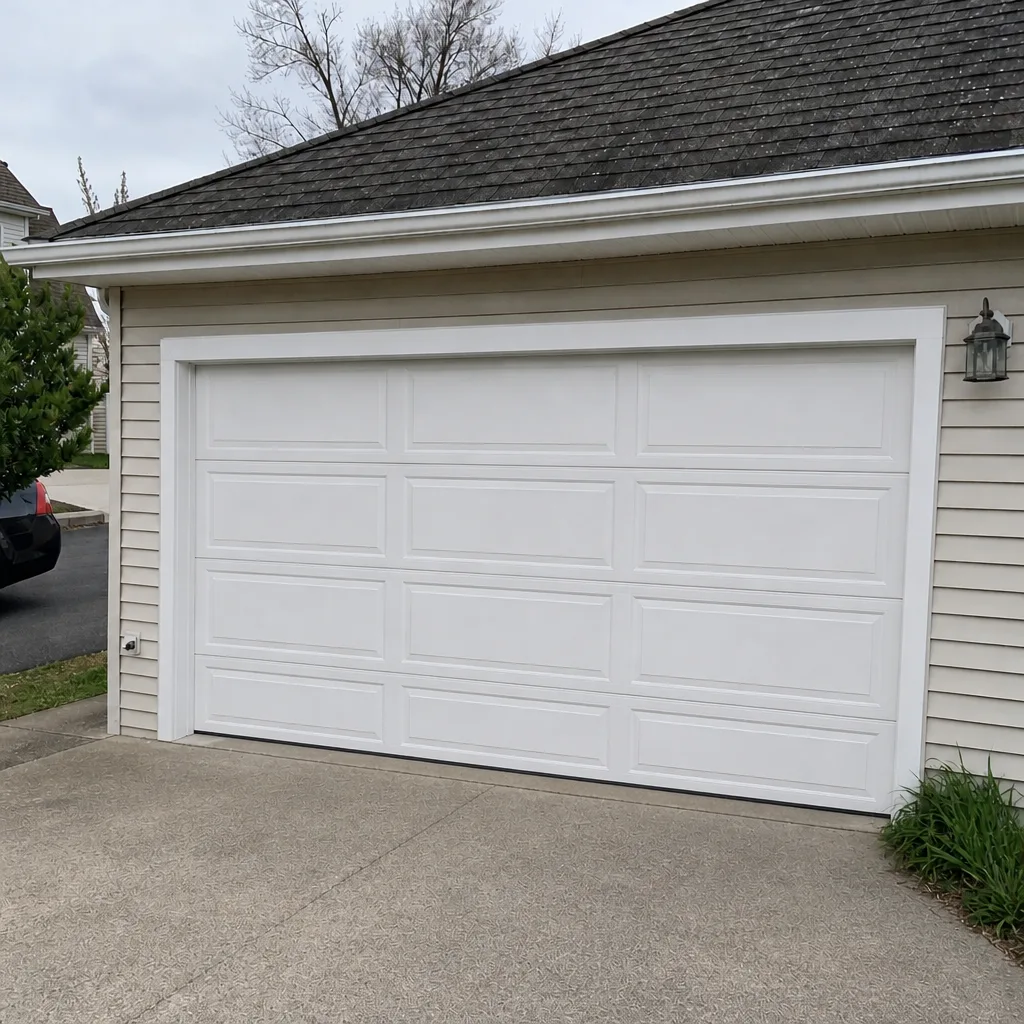 After
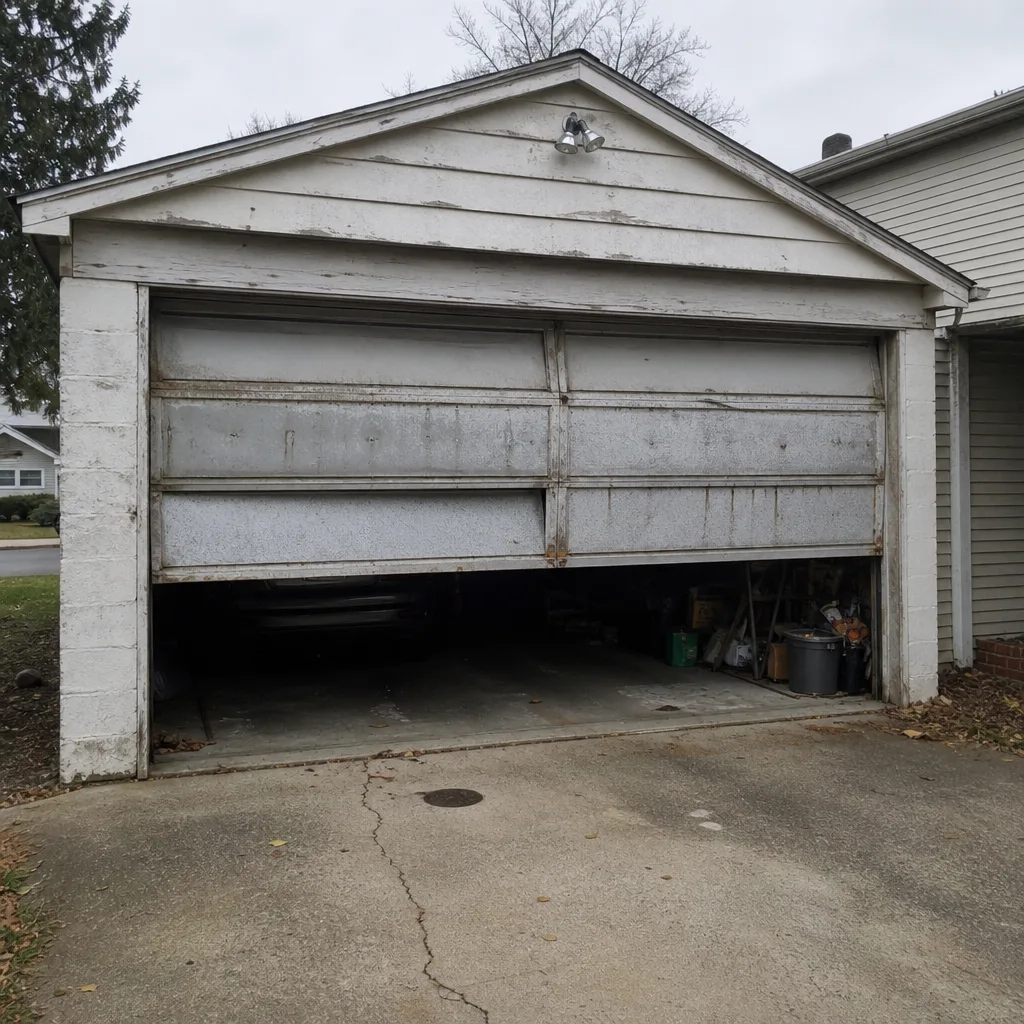 Before
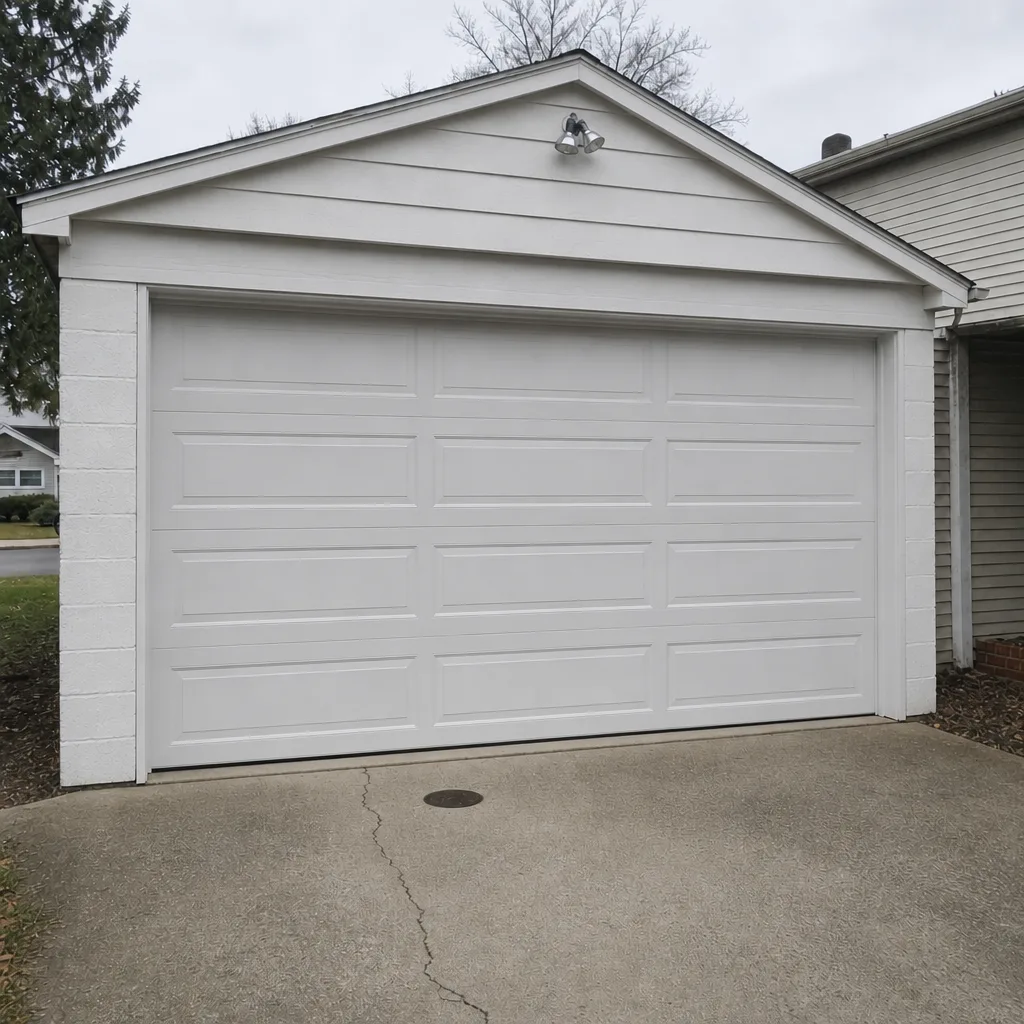 After
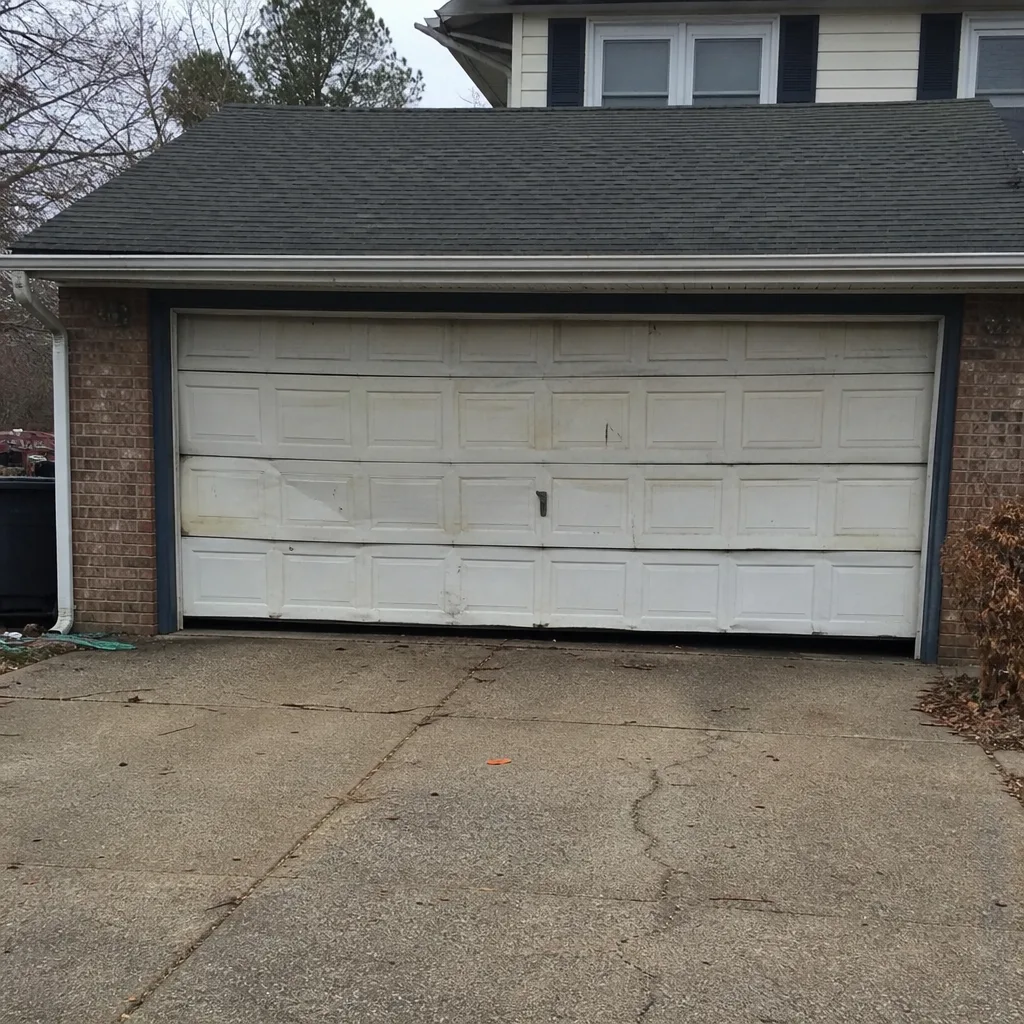 Before
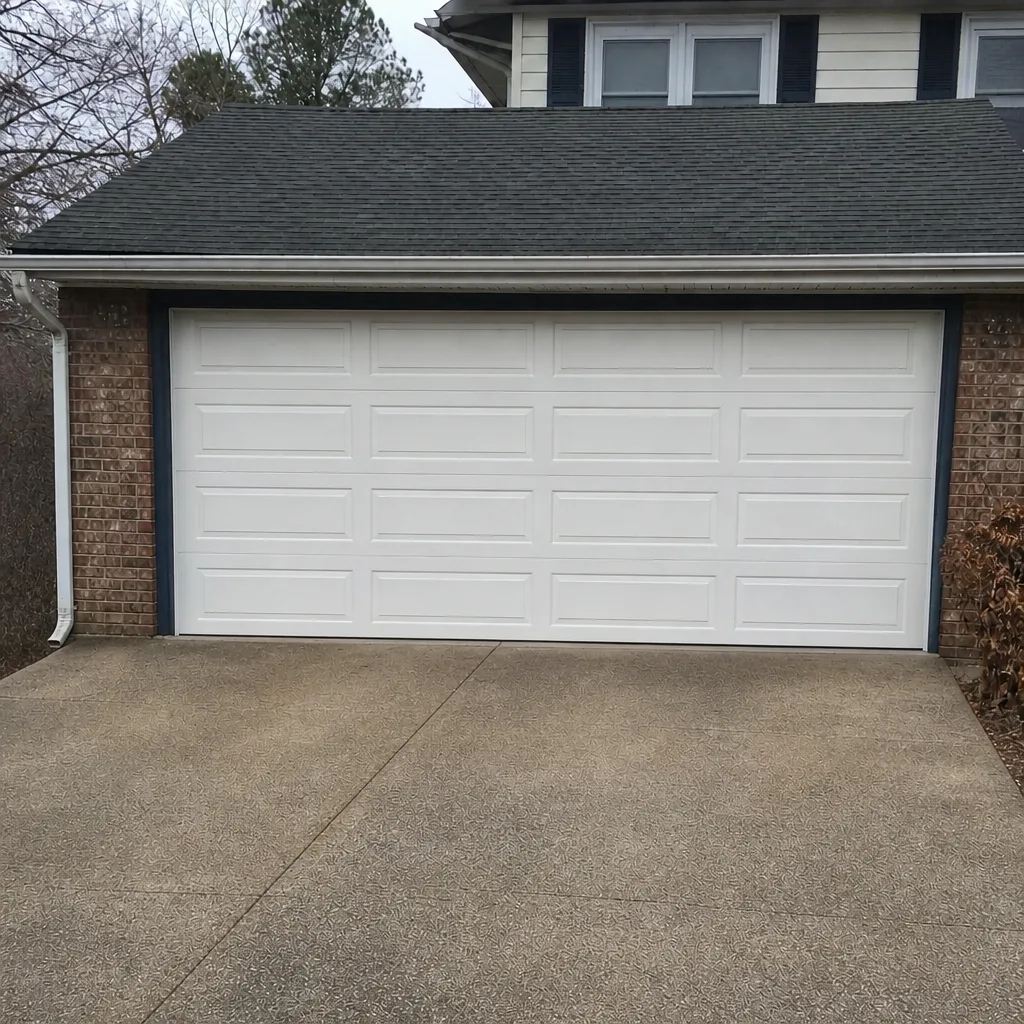 After
When to Call a Professional
Some problems are homeowner tasks. Others need a trained technician, and it’s worth knowing the difference before you pick up a tool. Call a professional if you see a broken or rusted spring, a cable that’s frayed or off its drum, a door that’s come off its tracks, a door that won’t stay balanced, an opener that grinds, clicks repeatedly or reverses on its own, or a door that’s sustained damage from a vehicle or storm. Anything involving a spring or a cable is a call, full stop: those parts store enough energy to hurt you and your door. If you’re not sure whether what you’re seeing is serious, call anyway and describe it; a quick conversation over the phone usually settles it. Garage Door Repair Woodbridge Pros offers free estimates in Woodbridge Township, with the price quoted and agreed before any work starts. Call (866) 774-1757 to book a tune-up or talk through a problem.
Frequently Asked Questions
Every four to six months, so about twice a year, and three times a year if your garage is unheated or the door faces the weather. Use lithium grease on the hinges, rollers and bearing plates, a light coat of lithium grease on the spring coils, and silicone on the tracks. Never use WD-40 on the springs; it strips the protective coating and accelerates rust. If you’d rather have a technician handle the lubrication along with a full inspection, call (866) 774-1757 and we’ll set it up.
You can apply a light coat of lithium grease to the outside of the spring coils with the door closed, which is homeowner-safe. What you cannot do is adjust, wind, unwind, remove or repair a spring. Those parts hold hundreds of pounds of stored tension, and incorrect handling causes serious injury. If a spring is broken, rusted through, or the door is out of balance, that’s a technician call. Call (866) 774-1757 and we’ll tell you what we recommend.
A door that drifts down when you lift it halfway, a gap at one corner when it’s closed, a grinding or clicking sound from the opener, a roller that’s popped out of its track, or a visible rust line on a spring. Any of those means stop using the door and have it looked at. Catching one early is usually a small repair; waiting turns it into an emergency call. Call (866) 774-1757 for a free estimate.
Most garage door tune-ups run in the low hundreds of dollars, and the exact price depends on the door, the opener and what turns up during the inspection. The estimate is written and agreed before any work starts, so you’ll know the number before we touch the door. If a part needs replacing, we’ll quote that separately. Call (866) 774-1757 for an exact quote; estimates are free.
Most likely, yes. Our technicians are factory-trained on the eight major brands, including LiftMaster, Chamberlain, Genie, Clopay, Amarr, Wayne Dalton, Craftsman and Raynor, so they know the tolerances and failure patterns of the equipment already in your garage. Whether yours is a modern LiftMaster with myQ or a legacy Craftsman unit, we work on what’s there rather than pushing a replacement you don’t need. Call (866) 774-1757 with the brand and model if you have it.
Once a year for most homes, based on usage rather than the calendar alone. If your door cycles three to six times a day, an annual tune-up is right; if it’s used heavily, every six to twelve months. A light-use door can stretch to 18 or 24 months, especially with monthly inspections in between. If you’re not sure, call (866) 774-1757 and we’ll help you figure out the right schedule.
The Bottom Line
A garage door maintenance checklist that works for Woodbridge Township homes has to be organized by who can safely do what. You can handle lubrication, the monthly visual inspection, the balance test and the service log. You can’t safely handle springs, cables or opener gears, and that’s not a knock on your skills; it’s what stored energy does. Lubricate every four to six months with lithium grease, not WD-40. Run the monthly inspection in the same order every time. Get a professional tune-up once a year for most homes, more if the door gets heavy use. Keep a log, and keep your invoices. Do those five things and your door will outlast the one three houses down. When you’re ready to book a tune-up or talk through a problem, our Garage Door Repair Woodbridge Pros team is here.
We work on garage doors only, and we work on the brand already in your garage. Whether it’s a LiftMaster opener that needs its travel limits reset or a Wayne Dalton door that’s out of balance, we handle diagnosis, repair, parts replacement and full new-door installation. Our technicians have up to 14 years of experience. To book a free estimate in Woodbridge Township, call (866) 774-1757 today.
Written by the team at Garage Door Repair Woodbridge Pros.