Last updated November 23, 2026
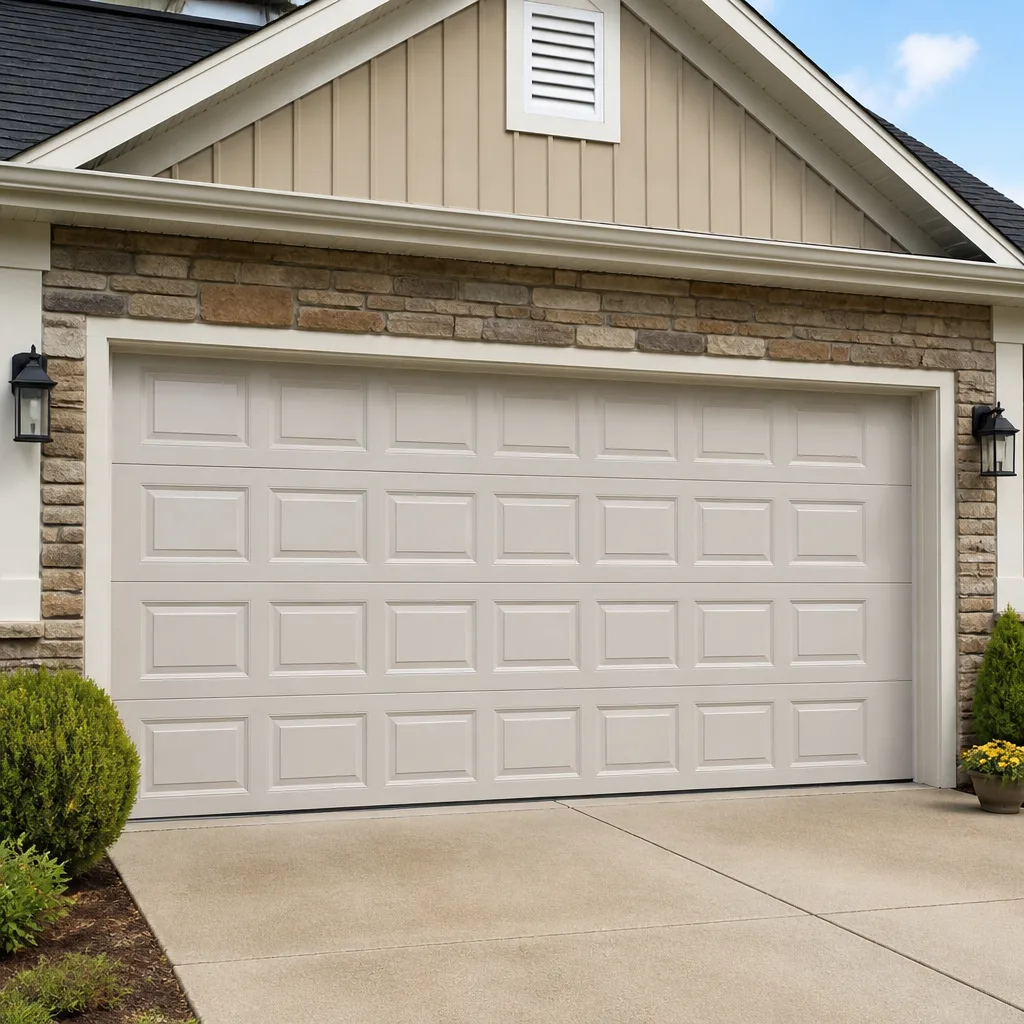 Raised-panel steel
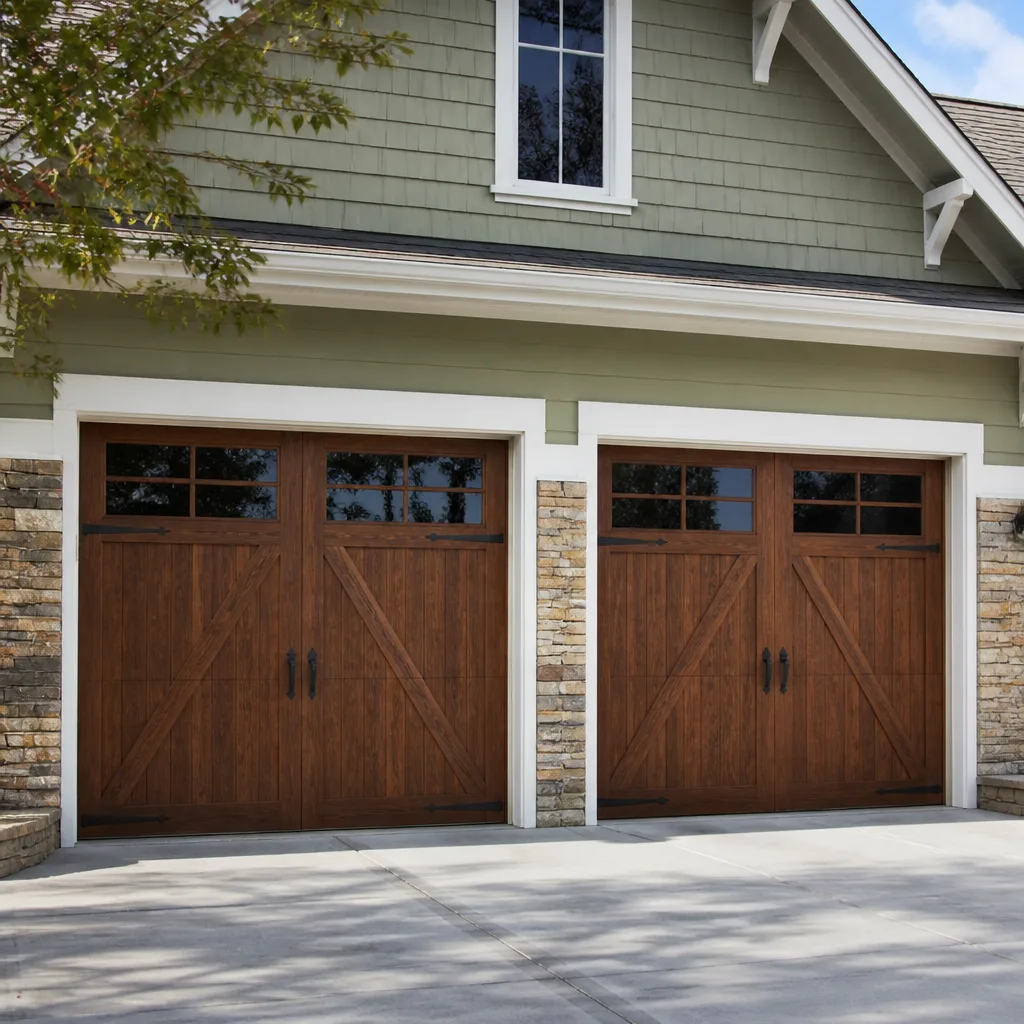 Carriage house
 Modern flush
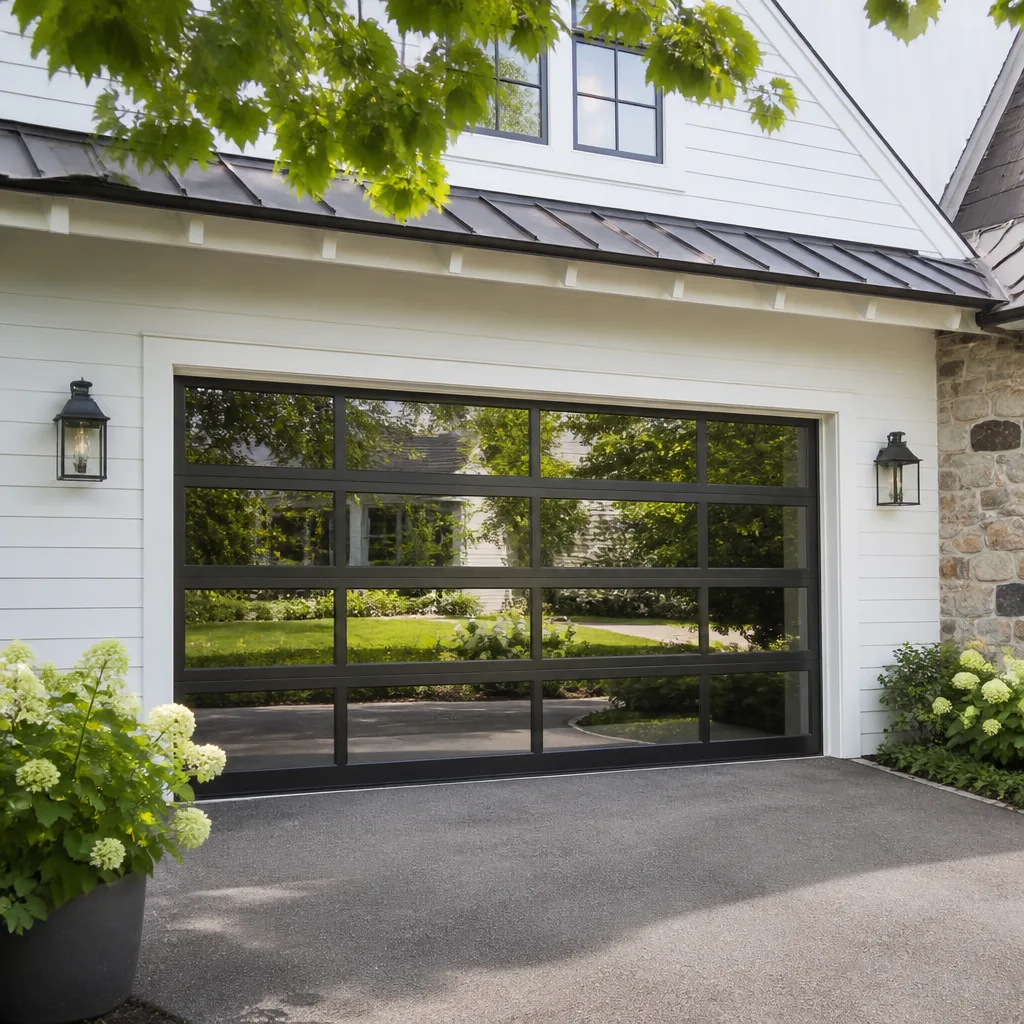 Full-view glass
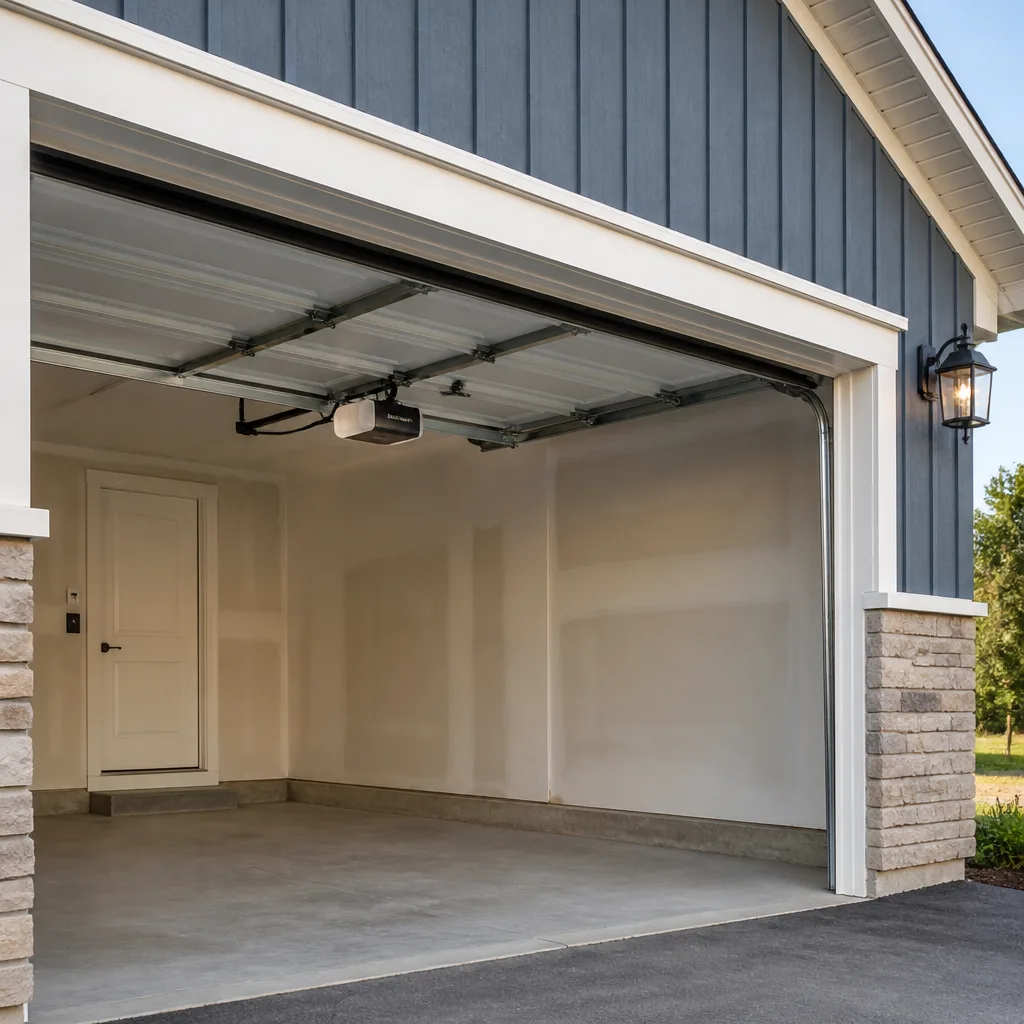 LiftMaster openers
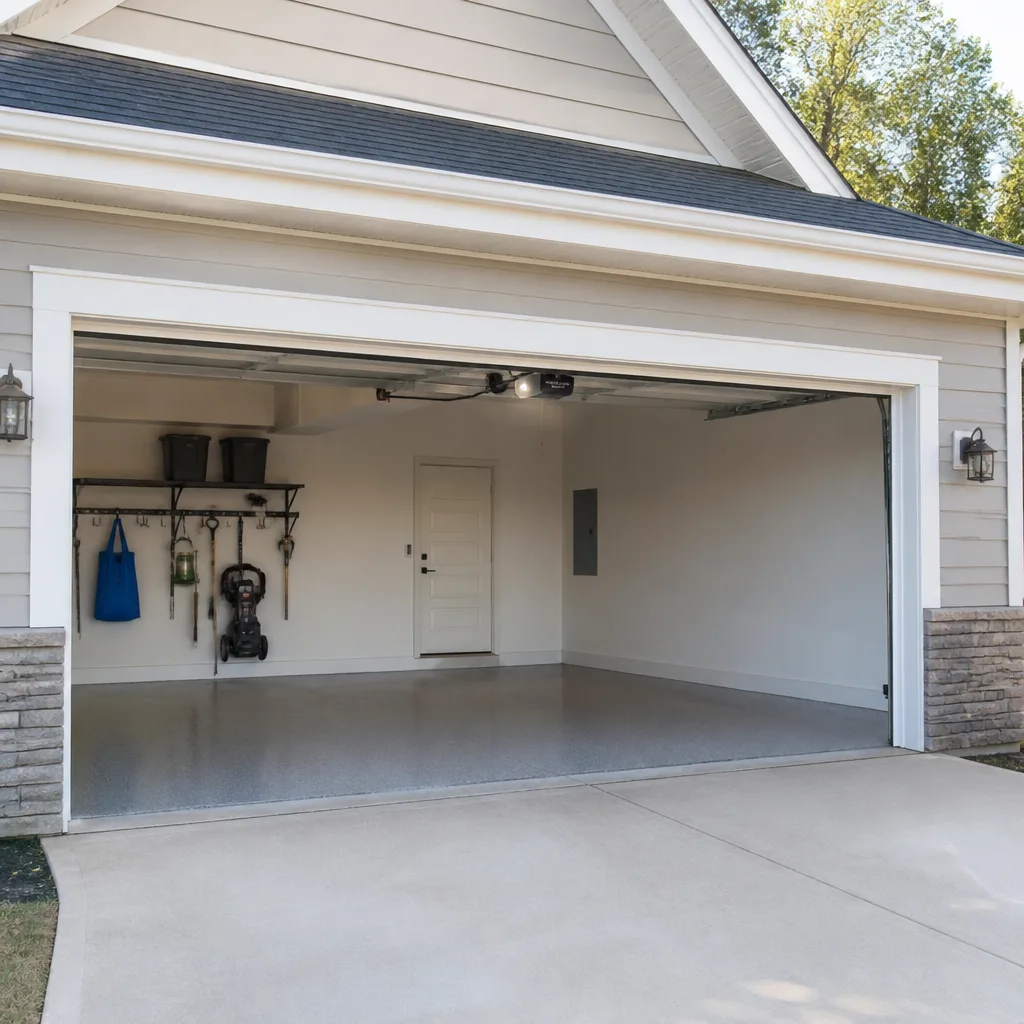 Chamberlain openers
Full 25-point door and opener safety check with every visit - springs, cables, rollers, tracks, and your LiftMaster or Chamberlain opener included
You get a price before we start. It does not change when the pro arrives.
Get your free estimateHow to Hire a Garage Door Contractor in Woodbridge Township: A Step-by-Step Guide
New Jersey doesn’t require a garage-door specialty license to replace your door or rebuild your springs. That means the person who repaved your driveway last summer can legally hand you a quote for a spring replacement in Woodbridge Township, and nothing on paper will stop them. The state’s Home Improvement Contractor registration catches some of the worst actors, but it was never designed to prove anyone understands torsion springs, cable tension, or the tolerances of a Wayne Dalton door. So the real screening has to come from you, and it has to happen before the first quote lands in your inbox. This guide gives you a vetting script: what to ask, what a correct answer sounds like, and the specific red flags that should end the conversation early. Knowing how to disqualify the wrong contractor fast is worth more than any coupon.
Quick Answer
To hire a garage door contractor in Woodbridge Township, verify New Jersey Home Improvement Contractor (HIC) registration first, then ask five technical questions about spring systems, door brands, opener compatibility, warranty terms, and who actually does the work. A qualified garage door specialist answers all five without hesitation, gives you a written itemized estimate before any work begins, and separates parts and labor in the warranty. Registration is the floor of vetting, not the ceiling. The technical conversation is what separates a door specialist from a generalist who happens to own a drill.
Styles & brands we work with
- Raised-panel steel
- Carriage house
- Modern flush
- Full-view glass
- LiftMaster openers
- Chamberlain openers
Table of Contents
- What New Jersey HIC Registration Actually Covers
- Five Technical Questions to Ask Before You Get a Quote
- Red Flags Specific to Garage Door Quotes
- How to Compare Quotes When Line Items Look Different
- What a Legitimate Warranty Looks Like
- How Woodbridge Township Homes and Weather Shape the Job
- Step-by-Step: The Hiring Process from First Call to Final Check
- Working with a Local Specialist vs. a Generalist
What New Jersey HIC Registration Actually Covers
New Jersey’s Home Improvement Contractor registration is a consumer-protection requirement. It means a contractor has registered with the state Division of Consumer Affairs, paid the required fee, and can be found in the state’s database. It is a meaningful first check. It is also much narrower than most homeowners assume.
Here’s what HIC registration does not do:
- It does not test or certify technical skill in garage door work.
- It does not require any specific training in torsion spring systems, cable assemblies, or opener electronics.
- It does not guarantee the contractor carries general liability insurance or workers’ compensation coverage – ask for certificates separately.
- It does not limit the contractor to a single trade. A registered HIC can legally quote your garage door and your bathroom remodel in the same visit.
- It does not vet the brands the contractor actually knows. A registered HIC can still be seeing your Amarr door for the first time.
So HIC registration is the floor. It rules out the completely unregistered operator, which matters. But in Woodbridge Township, where plenty of registered contractors offer garage door work as a sideline, registration alone won’t tell you who actually understands the job. The next layer of vetting is the technical conversation, and that’s where most homeowners stop too early.
Five Technical Questions to Ask Before You Get a Quote
This is the part most hiring guides skip. Generic advice like “ask for references” tells you whether the last customer was happy, not whether the contractor understood the work. Technical questions do both at once. A specialist answers them in plain language. A generalist gets vague, changes the subject, or agrees with everything you say without asking a follow-up.
Ask these five before you let anyone put a number on paper:
- “Is my door torsion or extension spring, and how can you tell?”
A correct answer describes the physical layout: a torsion spring sits on a shaft above the door and twists; extension springs run along the horizontal tracks on each side and stretch. A specialist asks to look before answering. A generalist guesses. - “Will you replace one spring or the pair?”
A matched pair is usually replaced together because springs wear at the same rate. A correct answer explains why pairing matters and quotes the pair separately. A vague answer like “we’ll see when we get there” is a warning. - “What brand is my door and my opener, and what parts would you use?”
A specialist identifies the brand from the door’s hardware, panels, or opener label and names the parts they’ll install. A generalist says “we use whatever’s available.” - “Who actually does the work – you, an employee, or a subcontractor?”
A correct answer is direct: the person quoting is either doing the work or can name who is, and can describe their training. A deflecting answer means the crew is unknown to the salesperson. - “What’s covered by warranty, and for how long – parts and labor separately?”
A correct answer separates the two. A generalist answers “it’s all covered” without knowing the manufacturer’s terms or a labor window.
A specialist will also ask you questions: what the door does when it fails, whether the opener light blinks in a pattern, what brand of opener you have. That curiosity is a sign the contractor expects to diagnose, not just replace. If a contractor quotes you a spring replacement over the phone without asking any of that, they aren’t vetting the job – they’re closing a sale.
Red Flags Specific to Garage Door Quotes
Garage door work has its own set of warning signs, and they show up in the quote itself more often than in the conversation. Here are the patterns to watch for in Woodbridge Township and anywhere else.
- Flat-rate spring pricing. A quote that says “$X for spring repair” without separating parts from labor hides where the money goes. Springs vary widely in cost by size and cycle rating. A flat number is a red flag for a reason: it’s not a quote, it’s a price point.
- Refusal to name the parts brand. If you ask what brand of spring or opener they’ll install and the answer is “a good one,” move on. A specialist knows the brands in their truck – LiftMaster, Chamberlain, Genie, Clopay, Amarr, Wayne Dalton, Craftsman, Raynor – and can tell you which fits your door.
- Same-day pressure closing. A contractor who says the price is good “only if you book today” is using scarcity to stop you from comparing quotes. Legitimate door work is scheduled, not auctioned. (Emergency repair is different – see the next point.)
- Pressure around emergency situations. If your door fails and a contractor immediately quotes top dollar because “you have no choice,” that’s a red flag. Emergency service should still come with a written price before the work starts.
- No written estimate. If anything is verbal, there’s nothing to compare or enforce. Ask for the estimate in writing, itemized, before the work begins.
- Warranty that changes mid-conversation. If you ask about warranty and get a different answer each time, the terms aren’t real. A legitimate warranty is in writing and separates parts from labor.
How to Compare Quotes When Line Items Look Different
Two quotes for a spring replacement in Woodbridge Township can both say “$300” and mean completely different things. One might bundle parts and labor into a single number. The other might list parts at $80 and labor at $220, or the reverse, or quote a matched pair against a single spring. Before you compare, normalize the quotes so the line items line up.
Here’s a simple method:
- Ask every contractor for an itemized written estimate. It should list parts (with brand and model where applicable), labor, and any disposal or hardware charges as separate lines.
- Write a small table on paper. Columns for parts, labor, brand specified, warranty terms, and total. Fill in the same rows for each quote.
- Note whether a spring quote is for one or two springs. A pair costs roughly twice a single spring. A quote that looks like a bargain might just be one spring.
- Flag any quote that bundles parts and labor into a single total. Ask for the breakdown. A contractor who can’t or won’t separate them isn’t giving you a real comparison point.
- Compare like brands to like brands. A Clopay door and an Amarr door are both solid, but a comparable quote needs a comparable product line, not just a comparable total.
Once the tables are side by side, the picture usually gets clear fast. The lowest total is not automatically the best buy – the quote with the lowest total and no specified brand, no written warranty, and no itemized parts is the riskiest one on the page.
What a Legitimate Warranty Looks Like
Most garage door warranties split into two parts: the manufacturer’s warranty on parts (springs, openers, door panels) and the installing contractor’s warranty on labor. A serious contractor can explain both pieces without reading from a card. If either piece is missing from the conversation, that’s a gap worth noting.
- Parts warranty. Springs, openers, and door hardware carry manufacturer warranties that vary by product line. A specialist tells you what the warranty is before you buy.
- Labor warranty. The contractor’s own warranty on installation and repair work is separate and typically shorter than the parts warranty. A correct answer names the window clearly.
- Transferability. Some warranties transfer to a new homeowner; some don’t. Ask, especially if you might sell the house.
- Voiding conditions. A warranty that is voided by “any improper use,” “any modification,” or “any future repair by another contractor” is close to unenforceable in practice. Read the exclusions.
- Written terms. A verbal “we stand behind our work” is not a warranty. The terms need to be in the estimate or attached to it.
Warranty terms that hide behind vague language – “limited,” “subject to inspection,” “at our discretion” – are worth less than they sound. If you can’t tell what’s covered, what isn’t, and for how long, the warranty is decorative.
How Woodbridge Township Homes and Weather Shape the Job
Woodbridge Township runs from the Raritan River waterfront up through Fords, Iselin, Colonia, Avenel, Port Reading, Sewaren, and the Hopelawn and Keasbey areas. The housing stock spans mid-century capes and ranches, brick colonials, and newer construction. That mix matters for garage door work because the age of the house usually tells you what the garage is carrying: a 1950s ranch may still be on its original extension springs, while a newer home has a torsion setup and an opener with smart-home integration.
The regional climate matters too. New Jersey’s freeze-thaw cycles work on springs, hinges, and rollers, and they stress the seals on the door. A door that operates fine in July can bind in January. Woodbridge Township’s winters aren’t extreme, but the repeated thaw-freeze pattern is enough to make old springs brittle and rollers stiff. That’s a reason to have the springs and hardware inspected before they fail, not after.
One practical note specific to the Township’s mix of properties: a lot of homes have garages with tight clearances above the door. A torsion spring upgrade or a new door needs a measurement of the headroom and side clearance before any work is scheduled, not after. A contractor who quotes a replacement without measuring the opening is quoting blind.
Step-by-Step: The Hiring Process from First Call to Final Check
Here’s the full sequence, condensed for anyone who wants the whole process in one place.
- Confirm the contractor is registered. Look up the business in the New Jersey Division of Consumer Affairs database before the visit.
- Ask the five technical questions above. Do this on the phone before anyone comes out. It saves time for both sides.
- Request a written, itemized estimate. Parts, labor, and any additional charges as separate lines. Anything verbal is not a quote.
- Confirm the price is fixed before work starts. The written estimate is the agreed number. Ask explicitly what would cause the price to change once the job is underway, and get that in writing too.
- Confirm who will do the work. Name and training of the technician matters, especially for spring work.
- Get the warranty in writing. Parts and labor separately, with exclusions spelled out.
- After the work, test the door yourself. Run it through several full cycles, test the safety reverse, listen for binding or scraping, and confirm the opener’s force settings match the new tension. Then file the estimate and warranty together.
That last step catches a lot of reuse problems early. If the door binds within the first week or the opener strains at roughly the same point every cycle, call the contractor back while the warranty is active, not after.
Working with a Local Specialist vs. a Generalist
In a market where garage door work doesn’t need a specialty license, the difference between a garage door specialist and a generalist is mostly invisible on a business card. It shows up in a few concrete places, and those places are worth checking before you hire.
- Dedicated spring service. A specialist lists spring repair as its own service, not as a task inside “handyman work.” That distinction signals the contractor handles high-tension spring work routinely and safely.
- Opener depth. Smart-home-integrated openers like LiftMaster and Chamberlain with myQ, along with older Craftsman units still in service, need specific knowledge. A generalist will sometimes replace a perfectly repairable opener simply because they don’t know the wiring.
- Brand familiarity. A specialist works on the brand already in your garage – Amarr, Wayne Dalton, Raynor, Clopay, LiftMaster, Chamberlain, Genie, Craftsman, or others – and knows the tolerances of each one. That matters for a repair as much as for a new door.
- Full lifecycle. A specialist walks the whole job: diagnose, repair, replace parts, and install a full new door. That continuity is worth more than any single quote.
For more on the specialist side, the garage door repair page covers what a full diagnosis actually looks like. The garage door opener repair page covers the opener-specific side. And if your issue is spring-related, garage door spring repair explains the safety-critical nature of that work.
Common Mistakes to Avoid
- Stopping at HIC registration. It’s the floor, not the ceiling. Skipping the technical conversation leaves you with a registered contractor who may still be learning on your door.
- Accepting a flat spring price. A single number for spring repair hides the parts cost and stops you from comparing quotes. Ask for the itemized sheet.
- Choosing the lowest total without checking the brands. A quote that doesn’t specify an Amarr or Clopay product line isn’t comparable to one that does, even if the numbers look similar.
- Skipping the written warranty review. A warranty with “at our discretion” exclusions is close to decorative. Read the terms before you approve the work.
- Booking a same-day pressure close. Urgency around pricing is a sales tactic, not a service. Even if your door fails on a Saturday, you can book the repair for Sunday and compare terms in the meantime.
- Not measuring headroom before a replacement. A new door or a torsion upgrade in a tight-clearance garage in Woodbridge Township needs measurements up front. A quote that skips them is quoting blind.
- Ignoring the door between failures. Springs and hardware give warning signs – binding, scraping, a struggling opener. A routine check catches them before the breakdown, not after.
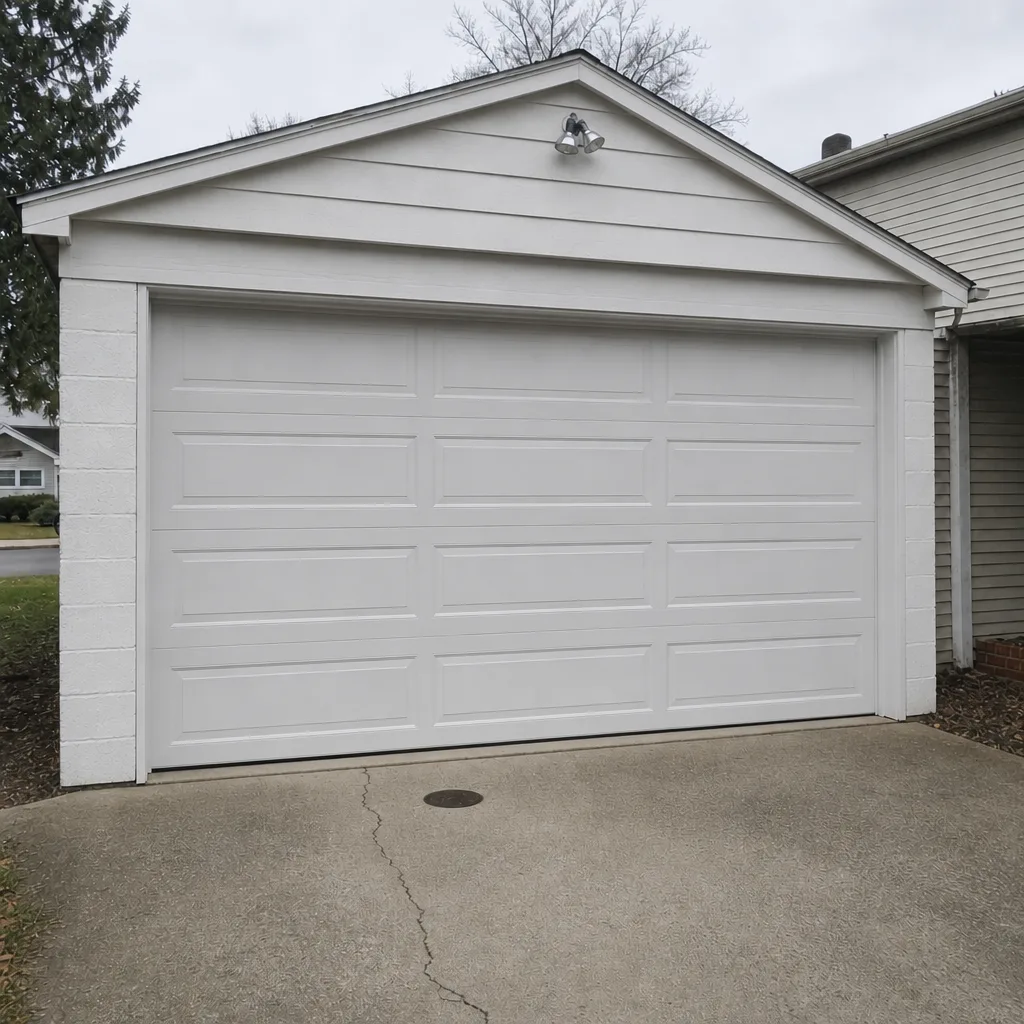
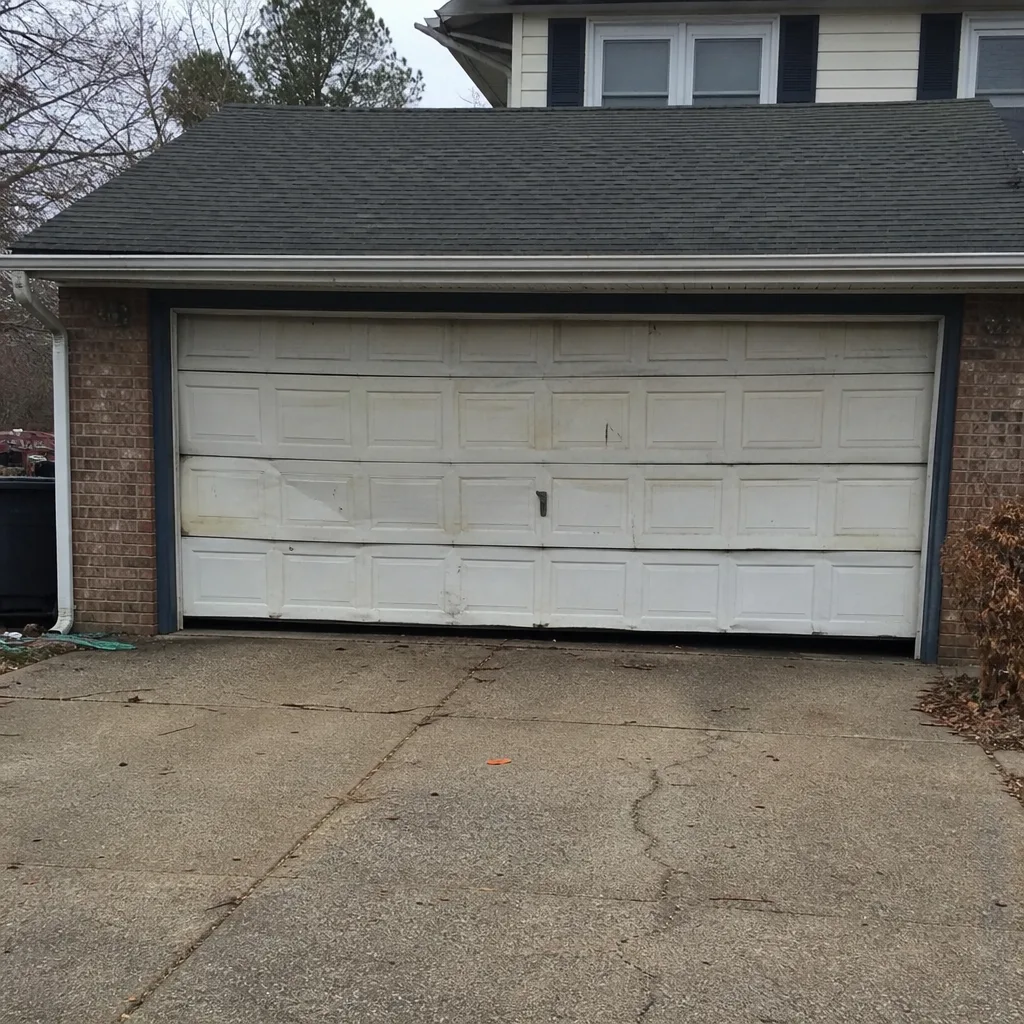
See the difference
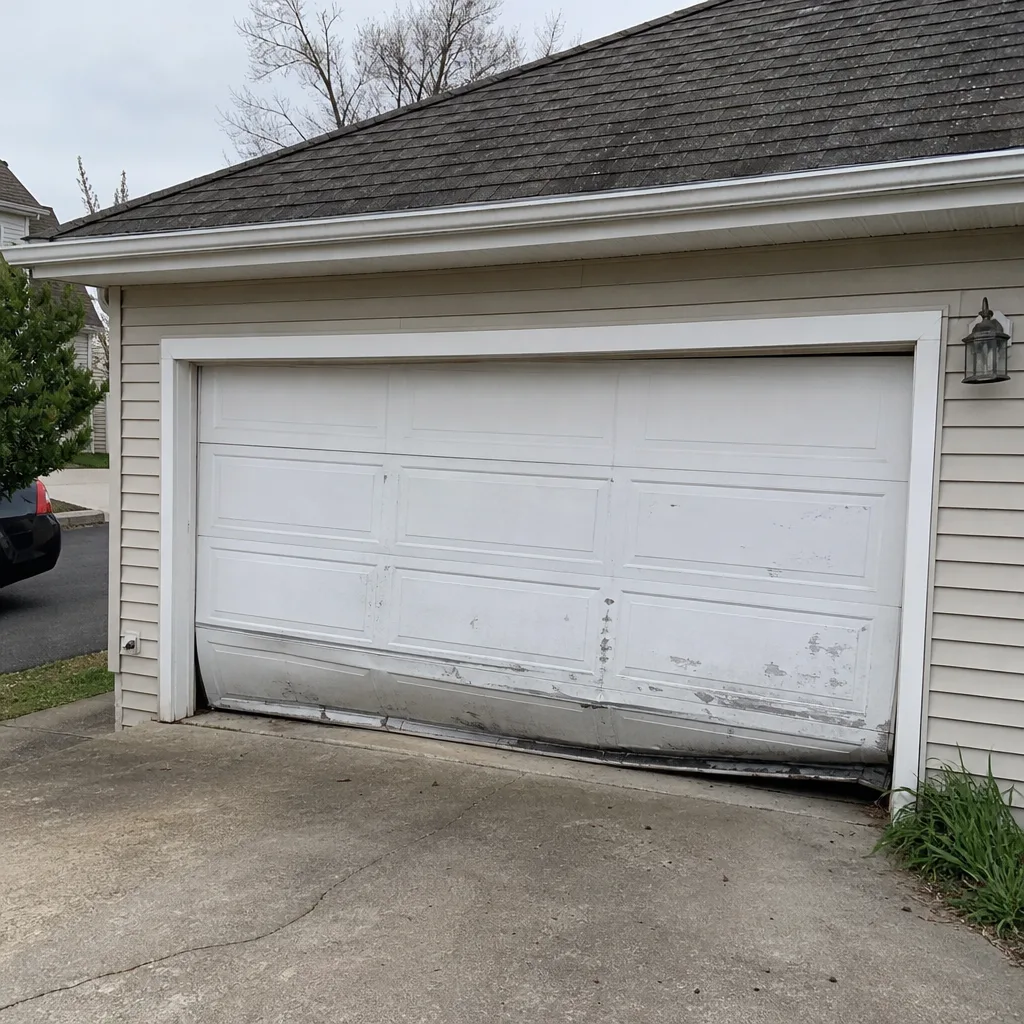 Before
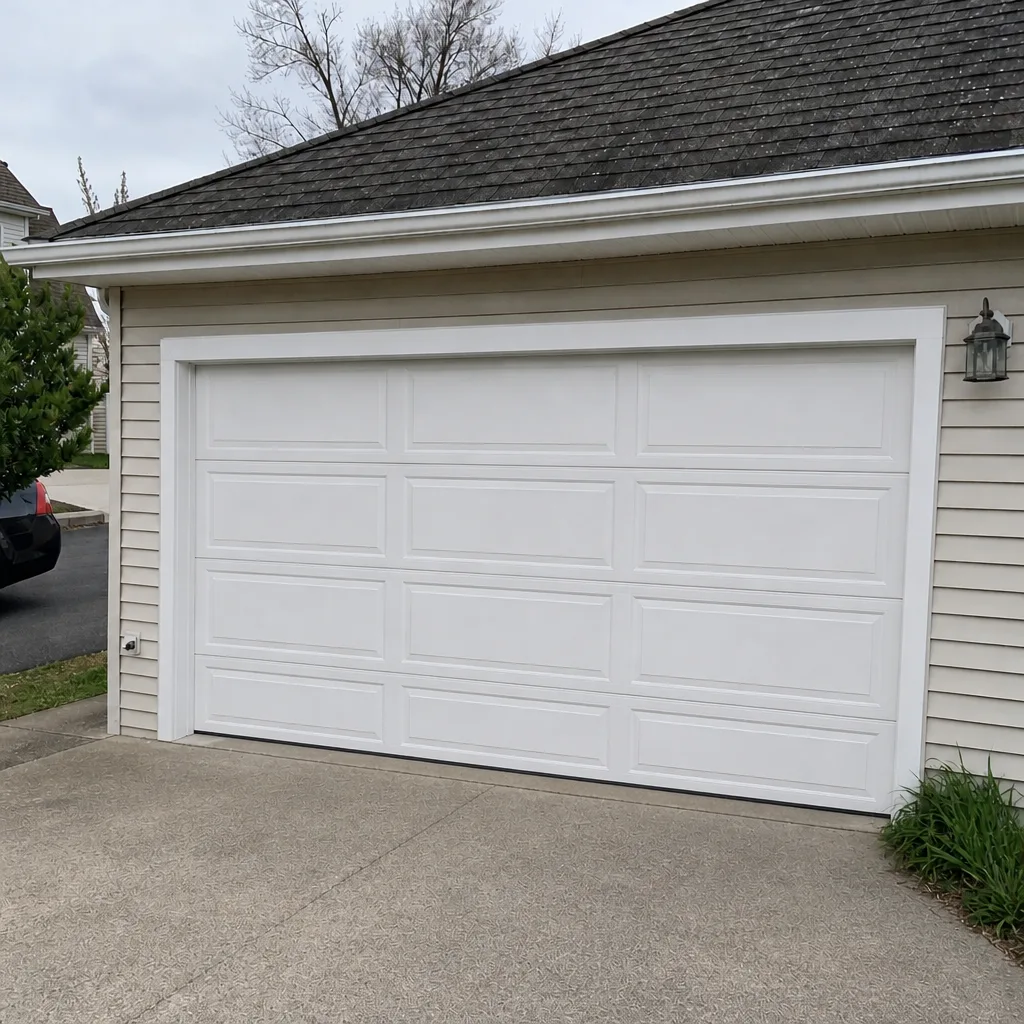 After
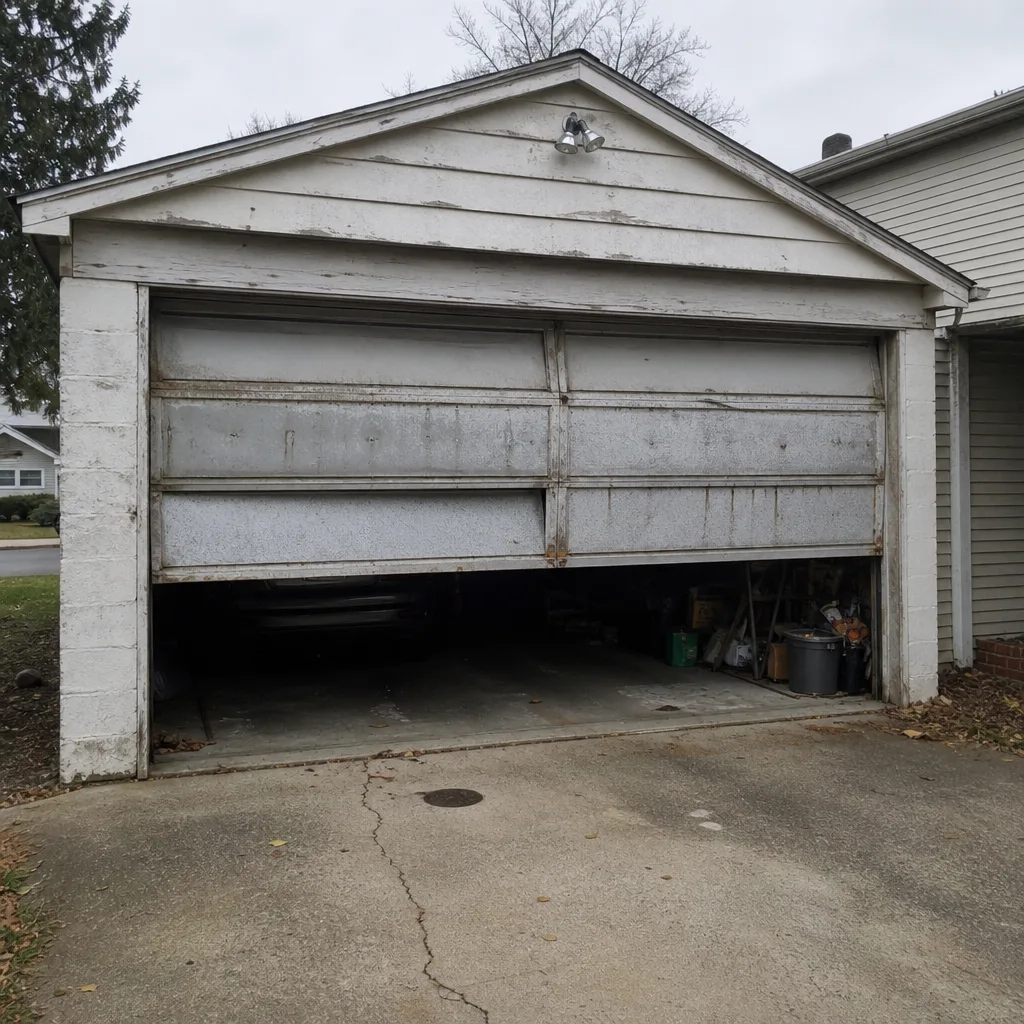 Before
 After
 Before
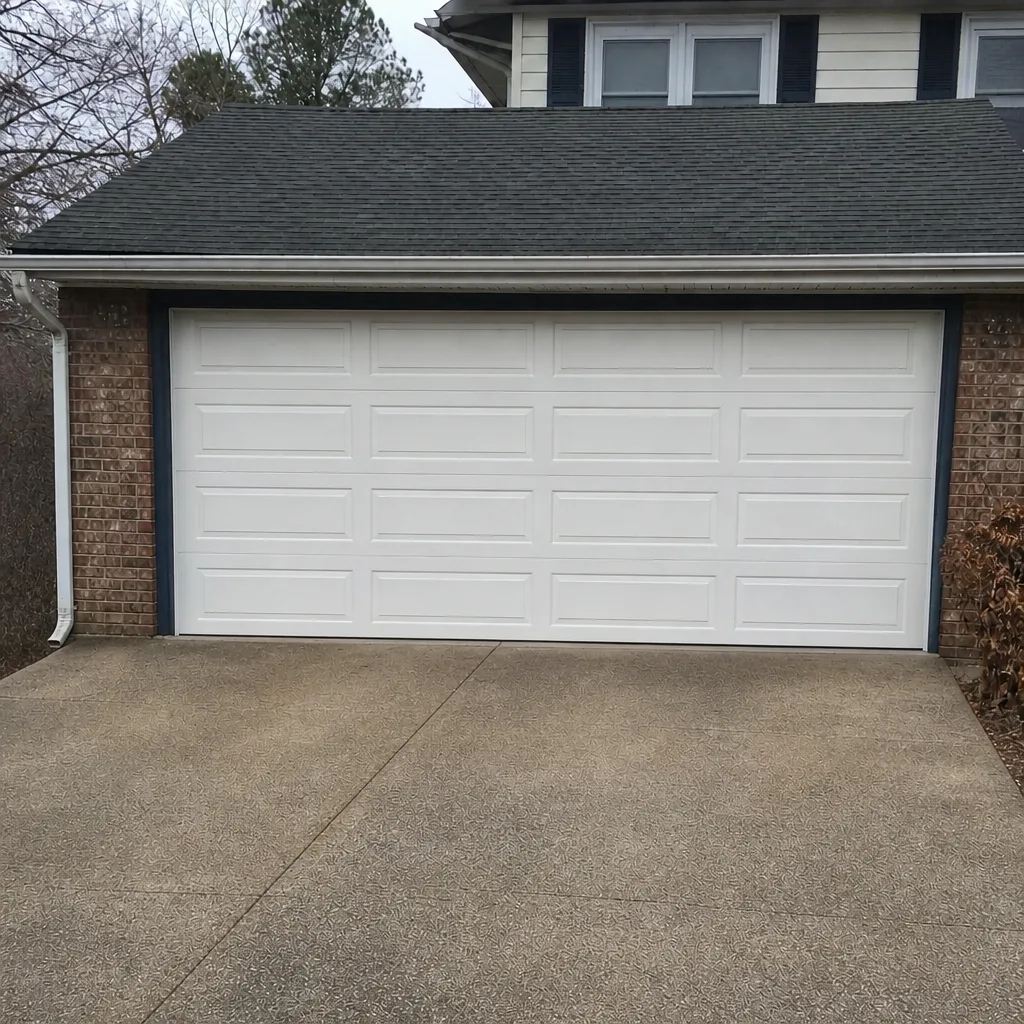 After
When to Call a Professional
Some garage door problems need a professional from the first sign. A broken spring is at the top of the list: torsion springs store enormous energy, and if you’ve ever seen a spring snap, you know not to be in the path. Cables are the same story – if one has come off a drum or is hanging slack, don’t run the door and don’t try to reset it. An opener that’s making grinding or straining noises, a door that’s come off its tracks, a door that reverses partway down, or a door that’s been sitting unevenly for a while all call for a professional diagnosis. Our technicians at Garage Door Repair Woodbridge Pros have up to 14 years of experience with both torsion and extension spring systems, and we’ve seen what happens when spring work gets attempted without the right tools.
Garage Door Repair Woodbridge Pros offers free estimates in Woodbridge Township – call (866) 774-1757. If your door is an emergency – stuck open, off track, or unsafe to operate – we treat that as a core part of the work, not an upsell, and can schedule it quickly.
Frequently Asked Questions
New Jersey does not require a garage-door-specific license, but contractors should be registered as Home Improvement Contractors (HIC) with the state Division of Consumer Affairs. Registration is a consumer-protection requirement, not a technical certification – it doesn’t prove the contractor has any garage door training. The technical questions in this guide matter more. Call (866) 774-1757 to ask us directly about a specific job.
Spring repair pricing depends on the spring size, cycle rating, and whether one or a matched pair is replaced, so a range should come from a written estimate after the contractor sees the door. A pair usually costs roughly twice a single spring because they’re replaced together. Call (866) 774-1757 for a free, itemized estimate – the price is agreed before anything starts.
It shouldn’t if the estimate was written after the contractor inspected the door and measured the opening. The written estimate is the agreed price. The only legitimate reason for a change is finding a second problem the initial inspection missed, and even then the contractor should pause and get your approval on a new written number before doing the extra work. Ask upfront how the contractor handles that situation.
The contractor should be registered as an HIC in New Jersey, and they should carry general liability and workers’ compensation insurance – ask for the certificates. The local pro you hire should be able to show both before work starts. Our technicians at Garage Door Repair Woodbridge Pros work with the state registration and insurance requirements, and we can walk you through the coverage before the job.
For a stuck, off-track, or unsafe door, yes – emergency garage door service is a core part of what we do, not an add-on, so call (866) 774-1757 and we’ll schedule it as quickly as we can. For an installation or a full replacement, the work is measured, ordered, and scheduled rather than same-day. Either way, you’ll get a written price before the work begins.
Ask every contractor for an itemized written estimate with parts and labor separated, then put the quotes side by side in a small table. Confirm whether the spring quote is for one spring or a pair, which brand is specified for parts, and what the warranty covers for parts versus labor. A quote that bundles everything into one number can’t be compared – ask for the breakdown. Call (866) 774-1757 if you want a written quote from us to compare against.
The Bottom Line
New Jersey won’t gate garage door work behind a specialty license, so your vetting has to do the gating. Confirm HIC registration, then ask the five technical questions: spring type, single or pair, brand of parts, who does the work, and what the warranty covers for parts and labor separately. Ask for an itemized written estimate and don’t accept a flat spring price. Compare quotes by the parts they specify, not just the total. A specialist – the kind of contractor who works on Amarr, Wayne Dalton, Raynor, Clopay, LiftMaster, and Chamberlain systems by name – can walk you through every one of those answers without hesitation.
If you’d rather skip the screening and start with a specialist, we’re ready. Garage Door Repair Woodbridge Pros works on repair, opener repair, spring repair, installation, and emergency service in Woodbridge Township. Call (866) 774-1757 for a free estimate and a written price before any work begins. For an overview of everything we handle, start at Garage Door Repair Woodbridge Pros.
Written by the team at Garage Door Repair Woodbridge Pros.